If implemented, Trump’s 20% Hormuz transit fee plan can hurt India. Here’s how
Source Entity
Sukalp Sharma
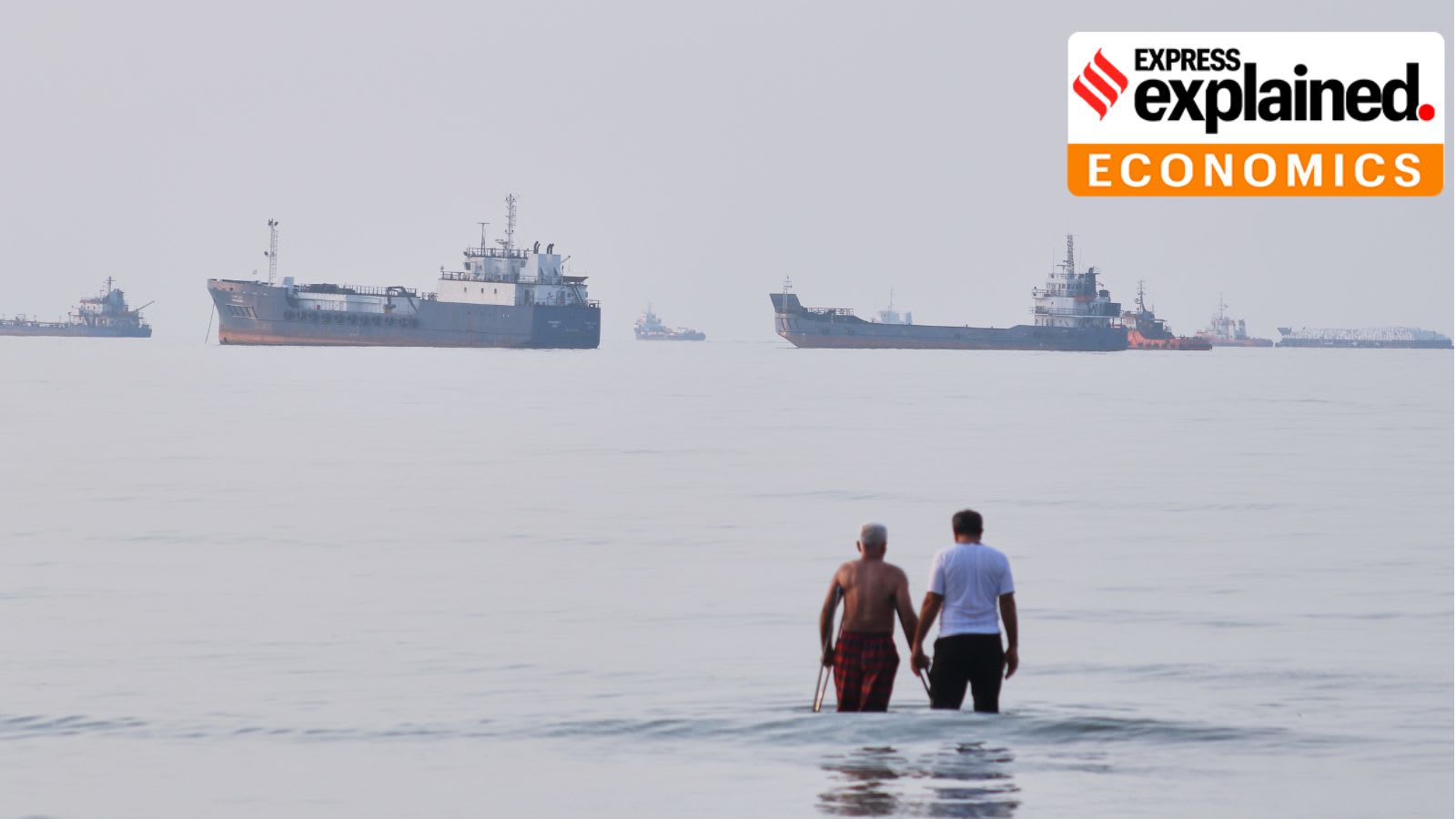
US President Donald Trump wants to charge a fee to facilitate the safe passage of commercial vessels through the perilous waters of the Strait of Hormuz. Trump’s announcement that the US will charge a...
Analysis of the Proposed US Transit Fee for the Strait of Hormuz and Its Implications for India
Introduction: A Transactional Approach to Maritime Security
The proposal by US President Donald Trump to implement a 20% transit fee for commercial vessels navigating the Strait of Hormuz represents a fundamental shift in how the United States views the provision of global maritime security. Historically, the US Navy has secured these critical waterways as a 'global public good' to ensure the free flow of commerce and stabilize energy markets. By transitioning this security apparatus into a fee-based service, the Trump administration is signaling a move toward a highly transactional foreign policy. For a major energy importer like India, this move is not merely a diplomatic curiosity but a direct economic threat that could destabilize its macroeconomic indicators.
The Strategic Chokepoint: Why Hormuz Matters
To understand the severity of a 20% fee, one must recognize the Strait of Hormuz as the world's most critical oil chokepoint. This narrow waterway connects the Persian Gulf with the Gulf of Oman and the Arabian Sea, serving as the primary artery for oil exports from Saudi Arabia, Iraq, Kuwait, and the UAE. India, which relies heavily on Middle Eastern crude to fuel its rapidly growing economy, is uniquely vulnerable to any disruption or cost increase in this region. Because there are very few viable pipeline alternatives that can bypass the Strait in sufficient volumes, India has little leverage to avoid these costs if the US successfully enforces such a fee.
Economic Fallout: Inflation and the Trade Deficit
From an economic perspective, a 20% surcharge on transit would likely be passed directly from shipping companies to the end consumers and importers. For India, this would manifest as an immediate spike in the landed cost of crude oil. Given that energy imports constitute a massive portion of India's import bill, such a fee would widen the Current Account Deficit (CAD) and put downward pressure on the Indian Rupee. Furthermore, since energy costs are an input for almost every sector of the economy—from agriculture (fertilizers) to transport and manufacturing—this would trigger a wave of cost-push inflation, eroding the purchasing power of the Indian middle class and complicating the Reserve Bank of India's efforts to maintain price stability.
Geopolitical Tightrope: India's Strategic Autonomy
Beyond the balance sheets, this proposal places India in a precarious diplomatic position. India has long pursued a policy of 'Strategic Autonomy,' maintaining strong ties with the US while simultaneously engaging with regional powers like Iran and the GCC nations. A US-imposed fee on a global waterway could be perceived as an overreach of maritime authority, potentially alienating India's Middle Eastern partners. India would find itself caught between its need for US security cooperation and its requirement for affordable energy and stable relations with the Gulf monarchies, who may view the US fee as an infringement on regional sovereignty.
Broader Implications for Global Trade and Logistics
If implemented, this fee would set a precedent for the 'monetization' of security in other critical maritime corridors, such as the Bab el-Mandeb or the Malacca Strait. The global shipping industry, already reeling from volatility due to geopolitical conflicts, would face increased operational costs and insurance premiums. For India, which is aggressively expanding its port infrastructure and aspiring to become a global logistics hub, the instability of transit costs in the Middle East could deter foreign investment and disrupt the efficiency of its trade routes, making Indian exports less competitive on the global stage.
Conclusion: Navigating a New Era of Maritime Diplomacy
In summary, the proposed 20% Hormuz transit fee is a high-stakes gamble that could transform the economics of energy security. For India, the risks are multifaceted, spanning from immediate inflationary pressures to long-term strategic dilemmas. To mitigate these risks, India may be forced to accelerate its diversification of energy sources, increasing imports from Russia, Africa, or the Americas, and speeding up its transition to renewable energy. Ultimately, this proposal underscores the volatility of a transactional global order where the cost of security is no longer guaranteed, but billed.