India bans the import of goods made using forced labour, even as U.S. investigation is pending
Source Entity
India Latest News: Top National Headlines Today & Breaking News | The Hindu
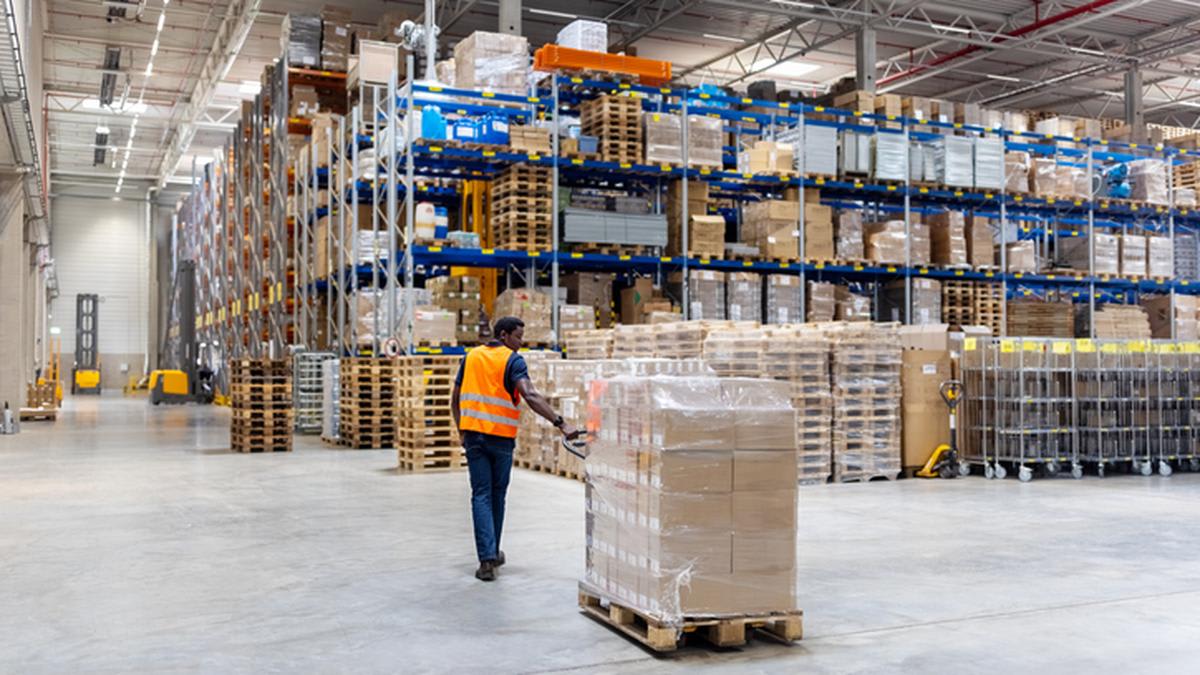
The U.S. is currently in the process of releasing its final decision on the tariffs it plans to levy on countries that it says have not done enough to stop the import of goods made using forced labour.
India's Strategic Shift: Banning Forced Labor Imports
India has officially announced a ban on the import of goods manufactured using forced labor, marking a significant pivot in its trade policy and human rights posture. This decision comes at a critical juncture as the international community increases scrutiny over global supply chains and the ethical origins of consumer products. By taking this stance, India is not only aligning itself with global human rights standards but is also positioning its trade infrastructure to be more resilient against international sanctions and ethical audits.
Preemptive Alignment with U.S. Trade Policy
One of the most critical aspects of this move is its timing. The United States is currently in the process of finalizing its decision regarding tariffs on countries that have failed to implement sufficient measures to stop the import of goods made with forced labor. By enacting its own ban now, India appears to be taking a preemptive strike to avoid potential U.S. tariffs. This strategic alignment suggests that New Delhi is acutely aware of the leverage the U.S. holds over global trade and is seeking to demonstrate proactive compliance to maintain favorable trade relations with one of its largest economic partners.
The Broader Implications for Global Supply Chains
This ban has wide-ranging implications for the global movement of goods. Forced labor, often categorized under the umbrella of modern slavery, has long been a systemic issue in various industries, from textiles to electronics. India's decision forces exporters to provide greater transparency and verification of their labor practices. This move likely signals a transition toward 'ethical sourcing,' where the provenance of raw materials and the conditions of the workforce are scrutinized as heavily as the quality of the product itself. Consequently, companies operating in India's trade orbit will need to implement more rigorous auditing processes to ensure their goods are not blocked at the border.
Historical Context and Diplomatic Strategy
Historically, India has balanced its trade interests with a commitment to sovereign autonomy. However, the shift toward banning forced labor imports reflects a maturing diplomatic strategy. In recent years, the geopolitical landscape has seen a rise in the use of trade as a tool for enforcing human rights norms. By adopting these standards, India strengthens its position as a responsible global power and a reliable partner in the democratic trade bloc. This move reduces the risk of India being criticized on international forums for importing goods from regions known for labor abuses, thereby safeguarding its diplomatic reputation.
Future Trends: The Rise of ESG-Driven Trade
Looking ahead, this event is a harbinger of a larger trend where Environmental, Social, and Governance (ESG) criteria become mandatory requirements for international trade. We can expect to see more countries adopting similar bans as the U.S. and EU tighten their regulations. India's move is likely the beginning of a more comprehensive regulatory framework that will eventually include carbon footprints and environmental sustainability. Trade will no longer be governed solely by price and demand but by a complex web of ethical certifications.
Conclusion
In summary, India's ban on goods produced via forced labor is a sophisticated blend of ethical commitment and economic pragmatism. By anticipating U.S. regulatory pressures and aligning with global human rights trends, India is shielding its economy from potential tariffs while promoting a fairer global trade environment. This decision underscores the growing intersection of geopolitics, human rights, and international commerce, signaling a future where ethical compliance is a prerequisite for market access.
Verification Required?