13 Indians killed, 3 missing in Gulf since February 28 amid US-Iran war
Source Entity
TOI NEWS DESK
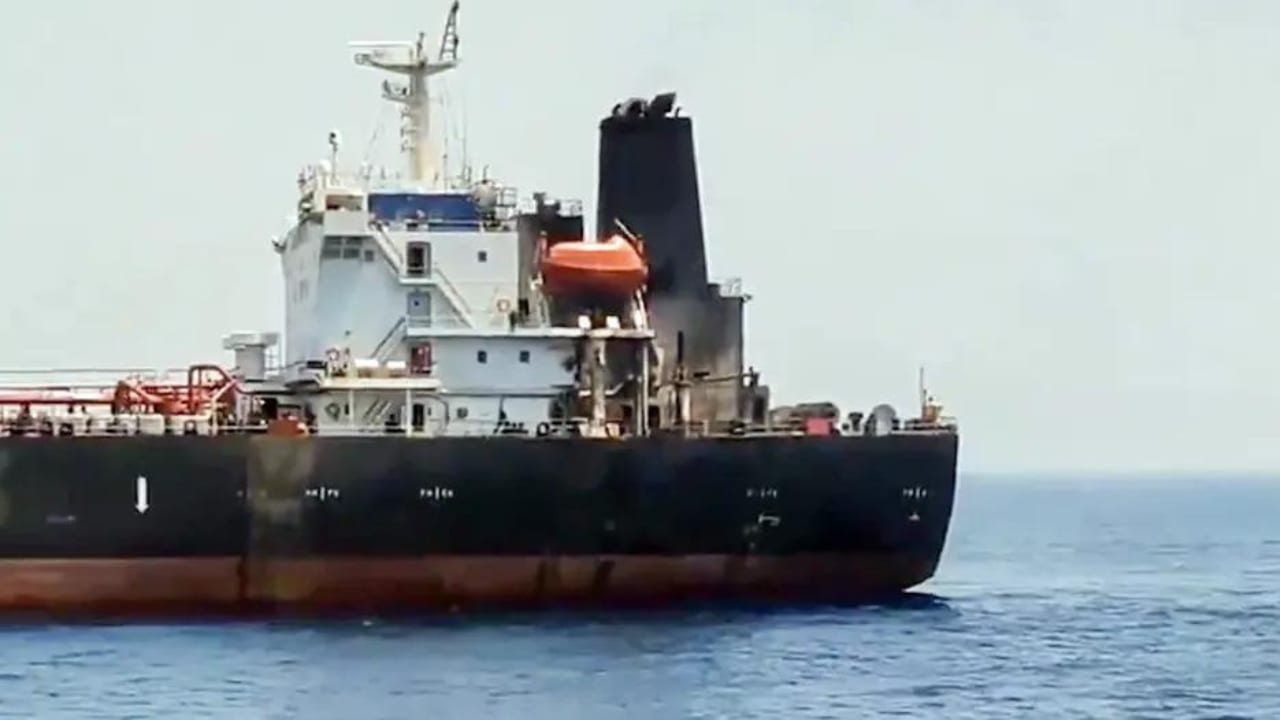
Thirteen Indians have died and three are missing in the Gulf region since late February. Recent attacks on commercial ships have resulted in significant Indian casualties. India is closely monitoring the escalating regional crisis and its impact. The nation calls for safe and uninterrupted navigation through the Strait of Hormuz. Attacks on shipping must cease to ensure global trade resumes.
Tragedy in the Gulf: Analysis of Indian Casualties Amid US-Iran Tensions
The recent reports of thirteen Indian nationals killed and three missing in the Gulf region mark a grim escalation in the human cost of the geopolitical friction between the United States and Iran. Since February 28, the targeting of commercial vessels has transitioned from strategic signaling to a lethal reality for crew members who find themselves caught in the crossfire of a state-level conflict. This event underscores the extreme vulnerability of merchant seafarers, who often hail from nations like India, and who operate in high-risk corridors without the protection of sovereign naval escorts.
The Strategic Chokepoint: The Strait of Hormuz
Central to this crisis is the Strait of Hormuz, one of the world's most critical maritime chokepoints. As the primary artery for the transport of oil and liquefied natural gas from the Persian Gulf to global markets, any instability in this region has immediate worldwide repercussions. The attacks mentioned in the reports are not merely isolated incidents of piracy or error but are symptomatic of the broader 'shadow war' between Washington and Tehran. By targeting shipping, belligerents attempt to exert economic pressure, yet the collateral damage—as seen in the loss of Indian lives—highlights the indiscriminate nature of these maritime strikes.
India's Diplomatic and Humanitarian Dilemma
India finds itself in a precarious position, balancing its strategic partnership with the US and its critical energy dependencies on Gulf nations. The call from the Indian government for "safe and uninterrupted navigation" is a reflection of this balancing act. India relies heavily on the Gulf for its energy security; thus, any disruption in the Strait of Hormuz threatens not only the lives of its citizens but also the stability of its domestic economy. The loss of sixteen citizens (including the missing) puts immense pressure on New Delhi to intensify its diplomatic efforts to ensure that commercial shipping is decoupled from political warfare.
Broader Implications for Global Trade and Maritime Law
Beyond the immediate tragedy, these attacks represent a significant challenge to the United Nations Convention on the Law of the Sea (UNCLOS) and the principle of 'innocent passage.' When commercial ships are targeted as proxies for political grievances, the cost of maritime insurance (War Risk Insurance) skyrockets, leading to increased freight rates and, eventually, higher consumer prices globally. The insistence that attacks on shipping must cease is not just a humanitarian plea but an economic necessity to prevent a systemic shock to the global supply chain.
Future Trends and Risk Mitigation
Looking forward, it is likely that India and other seafaring nations will push for increased international naval cooperation or the formation of multi-national task forces to escort commercial tankers through the Gulf. We may see a trend where shipping companies avoid certain high-risk zones entirely, potentially altering trade routes and increasing transit times. Furthermore, the Indian government may implement stricter safety protocols and mandatory crisis-management training for its seafarers deployed in the Middle East to mitigate future casualties.
Conclusion
The death of thirteen Indians and the disappearance of three others is a sobering reminder that geopolitical conflicts are rarely contained within the boundaries of military engagement. The intersection of energy security, maritime law, and human rights is currently under severe strain in the Gulf. Until a sustainable diplomatic resolution is reached between the US and Iran, the lives of thousands of innocent crew members will remain at risk, necessitating a concerted global effort to safeguard the freedom of navigation in the Strait of Hormuz.