‘Norms, trust, integrity’: India launches SHANTI‑themed bid for UNSC 2028‑29 seat amid global wars
Source Entity
Latest News: Today's Latest News Headlines from India & World | Hindustan Times | Hindustan Times
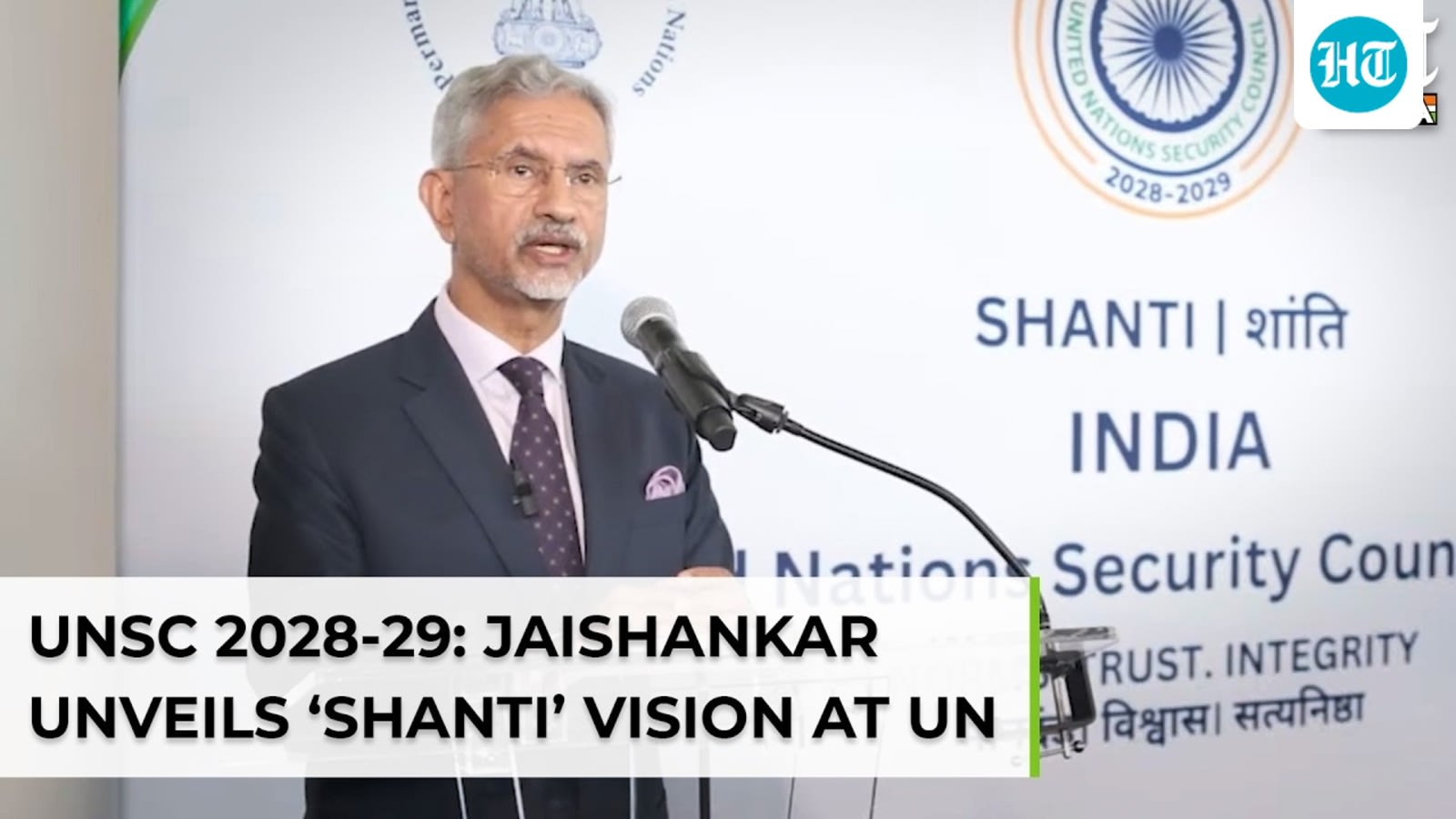
External Affairs Minister S. Jaishankar officially launched India's campaign for a non-permanent seat on the United Nations Security Council (UNSC) for the 2028–29 term. Speaking at the UN headquarters, Jaishankar said India would work for a secure, peaceful and equitable world where the voice of the Global South is heard equally. He outlined India's vision of strengthening peacekeeping, reforming multilateral institutions, promoting responsible use of technology, and ensuring maritime security. The campaign is based on the theme ‘SHANTI’—Securing Holistic Advancement through Norms, Trust and Integrity. Watch the full report for key highlights.
India's Strategic Pursuit of Global Governance: Analyzing the 'SHANTI' Bid for UNSC
India has formally signaled its intent to play a more pivotal role in global security and diplomacy by launching its bid for a non-permanent seat on the United Nations Security Council (UNSC) for the 2028–29 term. Announced by External Affairs Minister S. Jaishankar at the UN headquarters, the campaign is centered around the evocative theme 'SHANTI', which stands for Securing Holistic Advancement through Norms, Trust and Integrity. This bid comes at a critical juncture in international relations, where the global order is strained by systemic conflicts, geopolitical polarization, and a growing perception that existing multilateral frameworks are outdated.
The Philosophy of 'SHANTI' in a Fragmented World
The choice of the word 'Shanti' (meaning peace) is both a cultural nod and a strategic diplomatic signal. By defining it as "Securing Holistic Advancement through Norms, Trust and Integrity," India is positioning itself not just as a seeker of power, but as a provider of stability. In the current climate of global wars and diplomatic breakdowns, the emphasis on 'norms' and 'trust' suggests that India intends to advocate for a return to rules-based international order. This approach seeks to bridge the gap between the competing interests of major powers, proposing that integrity in diplomatic dealings is the only sustainable path toward collective security.
Championing the Global South
A central pillar of Minister Jaishankar's announcement is the commitment to ensure that the voice of the Global South is heard equally. For decades, developing nations in Asia, Africa, and Latin America have felt marginalized within the UNSC, where decision-making power remains concentrated among the P5 (permanent members). India's bid is framed as a representative mission; by securing this seat, India aims to act as a bridge, translating the concerns of the Global South—such as climate finance, debt distress, and equitable healthcare access—into the highest echelons of global security policy.
Reform and the Quest for Multilateral Efficacy
India's bid is inextricably linked to its long-standing demand for the comprehensive reform of multilateral institutions. The current structure of the UNSC reflects the post-1945 world, which no longer matches the contemporary distribution of economic and political power. By campaigning for a non-permanent seat, India is utilizing a tactical stepping stone to demonstrate its capacity for leadership and its commitment to the UN's values. The focus on "reforming multilateral institutions" mentioned by Jaishankar indicates that India will likely use its tenure to push for a more democratic and transparent council that is more responsive to current crises rather than historical legacies.
Security Paradigms: Maritime Safety and Emerging Tech
Beyond diplomatic rhetoric, India's bid outlines specific operational priorities: maritime security and the responsible use of technology. Given India's strategic location in the Indian Ocean Region (IOR), its focus on maritime security is vital for ensuring the freedom of navigation and the safety of global trade routes, which are increasingly threatened by piracy and geopolitical tensions. Simultaneously, the mention of technology reflects the modern battlefield of cyber warfare and Artificial Intelligence. India is positioning itself as a responsible tech power that can help the UN establish ethical guardrails for emerging technologies, preventing them from becoming tools of destabilization.
Conclusion: A Blueprint for Global Leadership
In summary, India's 'SHANTI' campaign is more than a routine bid for a council seat; it is a comprehensive manifesto for India's vision of a "secure, peaceful, and equitable world." By leveraging its history as one of the largest contributors to UN peacekeeping and its current status as a rising economic power, India is making a compelling case for its necessity in the UNSC. If successful, India's 2028–29 term will likely be characterized by a push for inclusivity, a drive toward institutional modernization, and a persistent effort to balance the interests of the developing world against the hegemonies of the established powers.
Verification Required?