Best time to visit Vietnam: Month-by-month weather guide for Indian travellers
Source Entity
The Indian Express
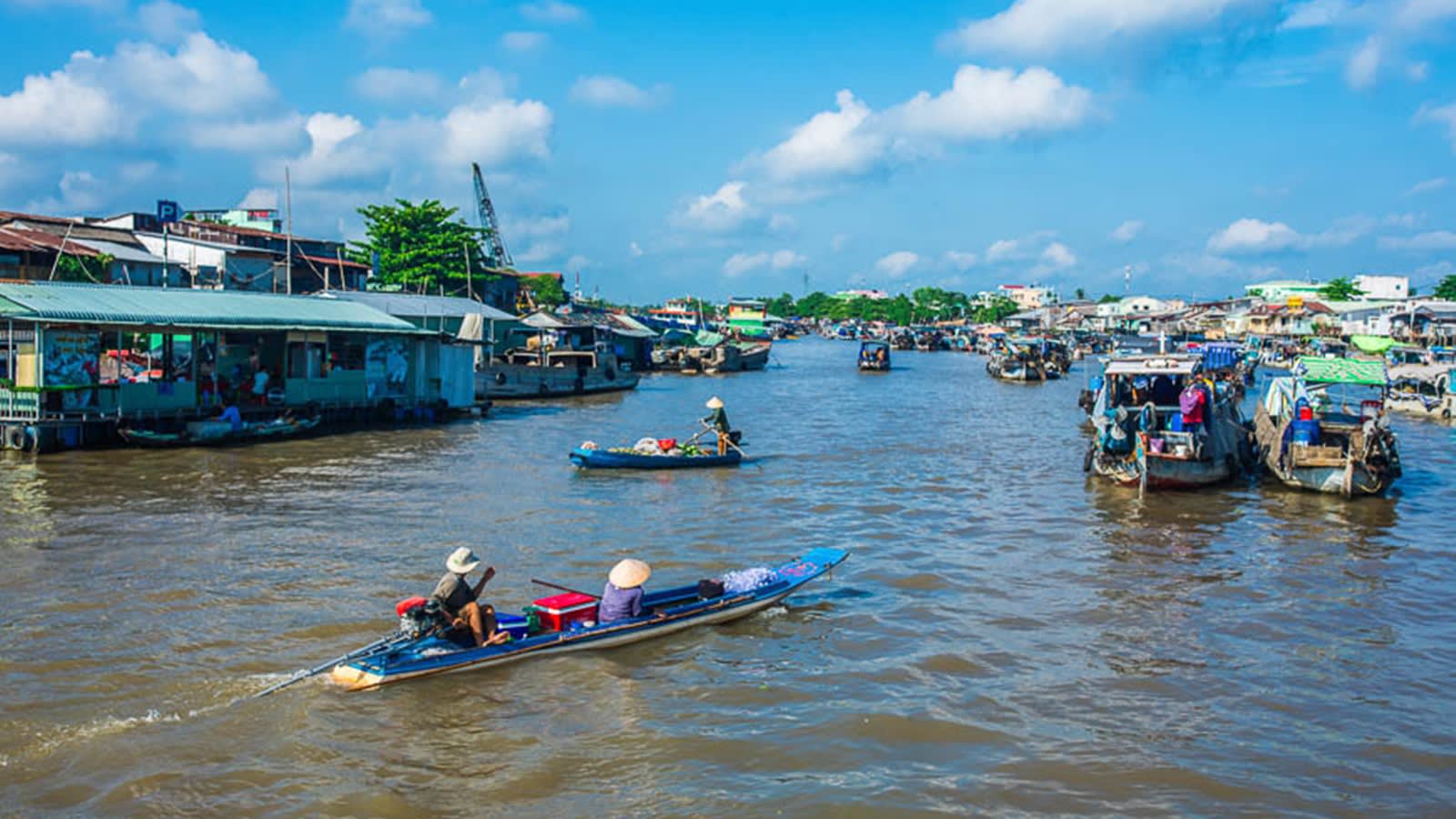
A comprehensive weather and travel guide tailored for Indian tourists planning a visit to Vietnam, detailing the regional climatic variations and optimal visiting windows.
Navigating the Dragon: Analyzing the Strategic Importance of Vietnam's Travel Guides for Indian Tourists
The publication of a month-by-month weather guide for Indian travelers visiting Vietnam reflects a significant shift in Southeast Asian tourism dynamics. In recent years, Vietnam has emerged as a primary destination for Indian outbound travelers, driven by a combination of affordable luxury, a burgeoning middle class in India, and a strategic push by the Vietnamese government to diversify its tourist demographics. By providing a structured, temporal guide to the country's weather, such reports serve as critical decision-making tools for travelers who must navigate one of the most climatically diverse regions in Asia.
The Challenge of Regional Climatic Variance
One of the core reasons a detailed weather guide is indispensable for this specific demographic is Vietnam's unique geography. Unlike many smaller Southeast Asian nations, Vietnam stretches significantly from north to south, creating three distinct climate zones. Northern Vietnam, including Hanoi and Sapa, experiences four actual seasons, including a chilly winter that can be surprising to travelers from warmer Indian states. Central Vietnam, home to the historic town of Hoi An and the beaches of Da Nang, faces a volatile monsoon season that peaks between October and November, often bringing heavy rainfall and typhoons. Meanwhile, Southern Vietnam, encompassing Ho Chi Minh City and the Mekong Delta, operates on a simpler binary of wet and dry seasons.
Tailoring Information for the Indian Traveler
For Indian travelers, the timing of a visit is often dictated by domestic holidays, such as Diwali or the summer break in May and June. A month-by-month guide allows these travelers to align their available leave with the most hospitable weather conditions in Vietnam. For instance, those traveling in December may find the cool, crisp air of the North refreshing, while those visiting in the summer must be cautioned about the intense humidity and heat of the South. By contextualizing these weather patterns, the guide helps mitigate the risk of travel disruptions and enhances the overall tourist experience, which in turn encourages repeat visits and positive word-of-mouth marketing.
Broader Implications for Bilateral Tourism
Beyond simple weather patterns, the proliferation of such guides indicates a maturing tourism corridor between India and Vietnam. The easing of visa processes—including the rise of e-visas—and the increase in direct flight connectivity from major Indian hubs like Delhi and Mumbai have lowered the barrier to entry. This trend is part of a broader geopolitical and economic strategy where Vietnam positions itself as a competitive alternative to more traditional destinations like Thailand or Bali. The focus on 'verified and context-driven coverage' ensures that travelers are not misled by generic global guides, but receive advice tailored to their specific needs and preferences.
Future Trends in Indo-Vietnamese Travel
Looking forward, it is likely that travel guides will evolve from simple weather charts into integrated experience maps. We can expect a rise in 'niche' tourism, such as culinary tours in the North or eco-tourism in the Mekong Delta, all synchronized with the seasonal harvests and weather cycles described in these guides. As Indian travelers become more seasoned, there will be a shift toward off-beat destinations like Ha Giang or Ninh Binh, necessitating even more granular environmental data to ensure safety and accessibility.
Conclusion
In summary, a month-by-month weather guide is more than a mere travel tip; it is a vital piece of infrastructure for the growing Indian tourism market in Vietnam. By bridging the gap between the complex environmental realities of the Vietnamese landscape and the planning needs of the Indian traveler, such resources facilitate a more sustainable and satisfying exploration of the country. As the bilateral relationship between India and Vietnam continues to strengthen across trade and diplomacy, the tourism sector will remain a key cultural bridge, supported by authoritative and accessible information.