Taslima Nasrin to return to Kolkata after 20 years
Source Entity
India Latest News: Top National Headlines Today & Breaking News | The Hindu
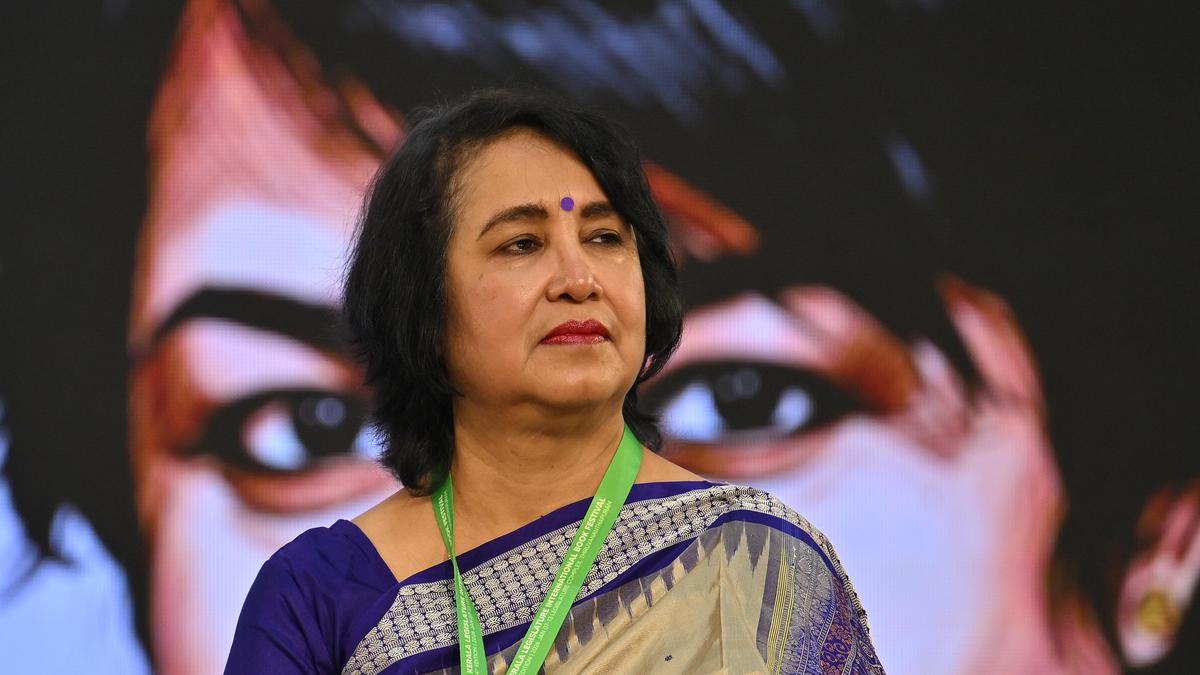
Exiled Bangladeshi author and women's rights activist Taslima Nasrin is returning to Kolkata after two decades, marking a significant moment for free speech and secular discourse in South Asia.
The Return of a Provocateur: Taslima Nasrin's Homecoming to Kolkata
The announcement that Taslima Nasrin, the renowned Bangladeshi author and fierce advocate for women's rights, is returning to Kolkata after a twenty-year absence is more than a mere travel update; it is a symbolic event that intersects with the volatile themes of religious freedom, gender equality, and the price of dissent. Nasrin, who has spent decades in exile, remains one of the most polarizing figures in South Asian literature. Her return to the cultural capital of West Bengal signals a poignant moment of reconnection with a city that has historically been a sanctuary for intellectuals, yet remains cautious of the geopolitical tensions her presence often ignites.
The Roots of Exile and the Fight Against Extremism
To understand the gravity of this return, one must examine the conditions of Nasrin's departure from Bangladesh in the 1990s. Her exile was not a choice but a necessity for survival, triggered by her scathing critiques of religious orthodoxy and the patriarchal structures embedded within societal norms. By challenging the status quo and speaking openly against religious extremism, Nasrin became a target of fatwas and violent threats. Her work, which often juxtaposes the restrictions of faith with the necessity of individual autonomy, created a rift that effectively barred her from her homeland, forcing her to seek refuge in various parts of the world.
Kolkata as a Cultural and Political Nexus
Kolkata holds a unique position in this narrative. As a city known for its deep-rooted literary tradition and a history of secular humanism, it has frequently served as a backdrop for Nasrin's intermittent visits and stays. Her return after two decades suggests a calculated navigation of the current political climate. The city's intellectual circles are likely to view her arrival as a catalyst for renewed debates on free speech. However, the return also highlights the delicate balance the Indian administration must maintain between upholding the right to expression and managing the sensitivities of religious groups who view her work as blasphemous.
Broader Implications for Human Rights and Secularism
Nasrin's return serves as a stark reminder of the precarious state of secularism in South Asia. Her life's work has been a continuous battle against the erasure of women's voices and the imposition of religious dogma over legal and social rights. By returning to a region where religious nationalism has seen a significant resurgence, her presence forces a confrontation between the ideal of the 'open society' and the reality of systemic intolerance. This event underscores the ongoing struggle for writers and activists who find themselves stateless or exiled due to their refusal to conform to religious or state-mandated narratives.
Predicting the Ripple Effects of Her Arrival
Looking forward, Nasrin's presence in Kolkata is likely to spark a wave of both academic interest and organized protest. It is probable that her return will lead to a series of literary discussions, seminars, and perhaps new publications that address the evolution of extremism since the 1990s. However, the potential for volatility cannot be ignored. The digital age has amplified the reach of extremist rhetoric, meaning that her physical return will be mirrored by a digital storm of controversy. This will likely test the resilience of local security apparatuses and the commitment of the artistic community to protect intellectual freedom.
Conclusion: A Symbol of Intellectual Resilience
In summary, Taslima Nasrin's return to Kolkata after twenty years is a testament to the enduring nature of the fight for free expression. While the geopolitical landscape has shifted drastically since her exile, the core issues she champions—women's agency and the rejection of religious extremism—remain as relevant as ever. Her return is not just a personal homecoming, but a challenge to the prevailing currents of conservatism in the region, reminding the world that the voice of the dissenter, though silenced for years, rarely disappears entirely.
Verification Required?