Amid new US tariff plan, Centre bars import of goods using forced labour
Source Entity
Ravi Dutta Mishra
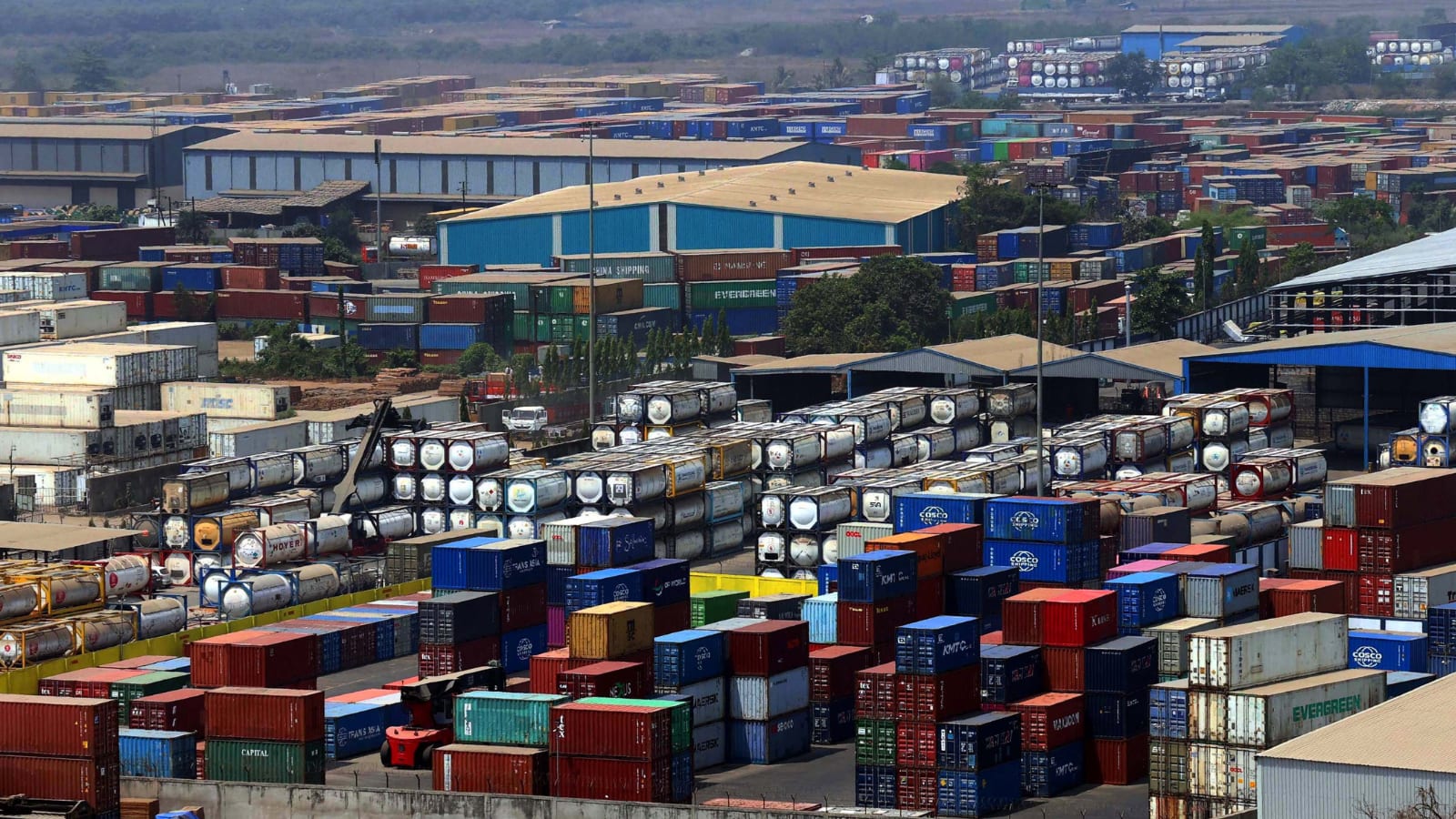
India's Commerce and Industry Ministry has banned the import of goods manufactured using forced labor, a strategic move following a proposal by the US Trade Representative to implement 12.5 per cent tariffs.
Trade Ethics and Strategic Alignment: India's Ban on Forced Labor Imports
In a significant shift toward aligning its trade policies with global human rights standards and strategic economic interests, India's Commerce and Industry Ministry has officially prohibited the import of goods produced through forced labor. This regulatory move comes at a critical juncture in international trade, signaling India's intent to sanitize its supply chains and ensure that its domestic market is not a destination for ethically compromised products. The decision represents a convergence of humanitarian concerns and pragmatic economic diplomacy.
The Catalyst: US Trade Pressure and Tariff Proposals
The timing of this ban is inextricably linked to the geopolitical climate and specific pressures from the United States. The move follows a proposal by the United States Trade Representative (USTR) to impose 12.5 per cent tariffs on certain goods. By implementing its own ban on forced labor imports, India is effectively mirroring a broader trend seen in the US—most notably through legislation like the Uyghur Forced Labor Prevention Act (UFLPA). This alignment suggests that India is attempting to preemptively address US concerns, potentially mitigating the impact of proposed tariffs or positioning itself as a compliant and ethical trade partner in the eyes of the American administration.
Implications for Global Supply Chain Traceability
This policy change introduces a new layer of complexity for importers operating within India. The prohibition of forced labor goods necessitates a rigorous overhaul of supply chain traceability. Companies will now be required to implement stringent due diligence processes, including third-party audits and certifications of origin, to prove that their products are not tainted by coercive labor practices. This shift toward "clean supply chains" reflects a global trend where Environmental, Social, and Governance (ESG) criteria are moving from voluntary corporate goals to mandatory legal requirements.
Economic Impact and Market Reorientation
From an economic perspective, this ban may lead to a short-term disruption in the availability of certain low-cost imports, particularly from regions known for systemic labor abuses. However, in the long run, it provides a strategic opportunity for Indian domestic manufacturers to fill the void. By restricting unethical imports, the government is indirectly supporting the 'Make in India' initiative, encouraging the growth of local industries that can guarantee ethical labor standards. Furthermore, it protects Indian exporters from facing "guilt by association" when shipping finished products to Western markets that have similar forced labor bans.
Geopolitical Strategy and Trade Diplomacy
Beyond the immediate trade numbers, this move is a sophisticated piece of trade diplomacy. India is navigating a complex landscape where it must maintain autonomy while fostering a deep strategic partnership with the US. By adopting standards that align with the USTR's ideological and economic goals, India reduces friction in bilateral trade negotiations. This proactive approach allows India to negotiate from a position of shared values, potentially securing better trade terms or exemptions from the very tariffs that sparked this regulatory change.
Conclusion: Toward a Value-Based Trade Regime
India's decision to bar goods produced via forced labor marks a transition from a purely cost-driven import model to a value-based trade regime. While the immediate trigger was the threat of US tariffs, the long-term effect will be a more resilient and ethically grounded trade infrastructure. As global superpowers increasingly weaponize trade policy to enforce human rights standards, India's move ensures it remains a viable and respected node in the global economy, balancing its economic growth with international ethical expectations.