Pune engineer missing after Hormuz ship attack confirmed dead
Source Entity
Shubham Kurale
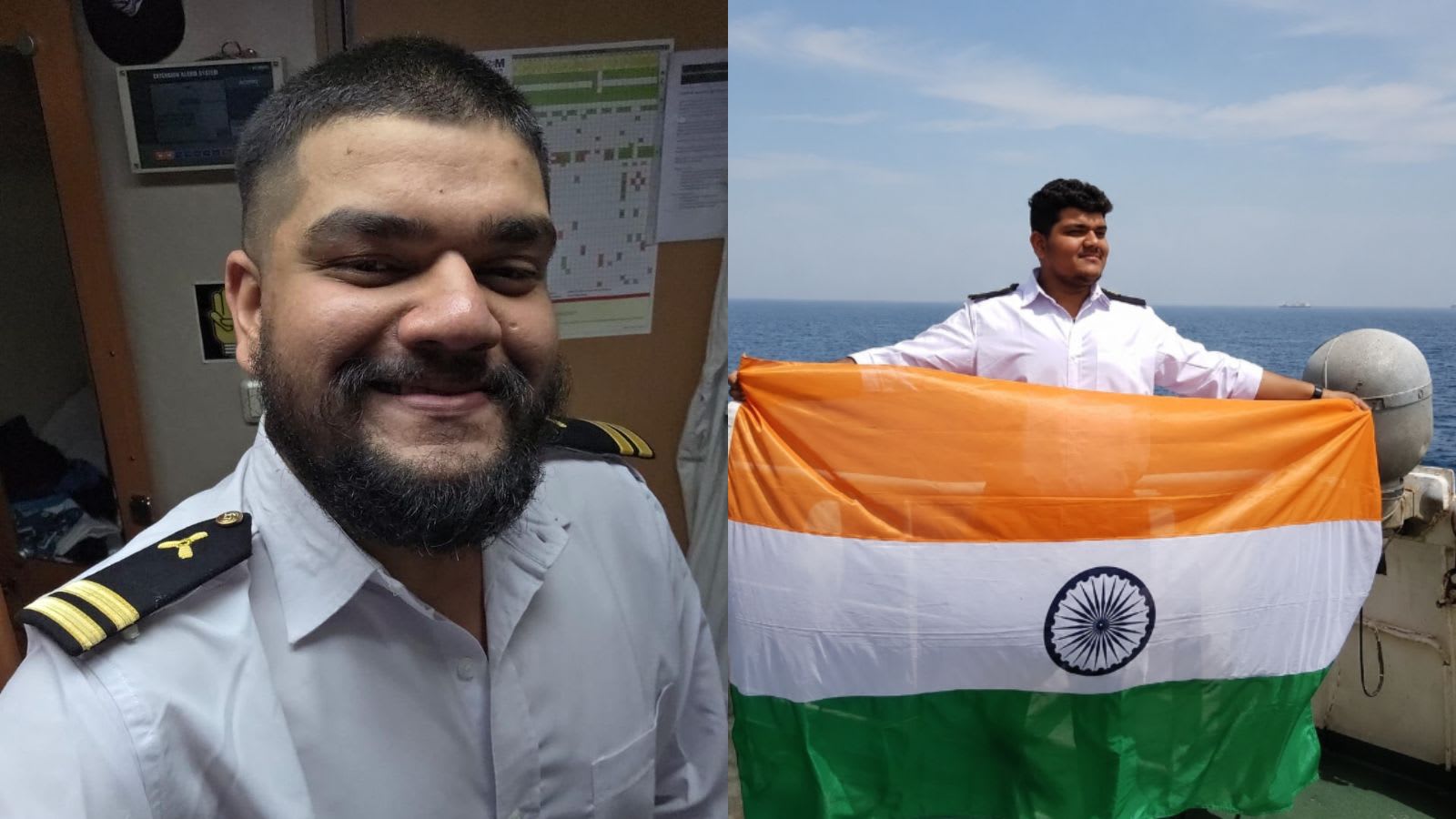
Heramb Karmarkar, a third engineer aboard the container vessel MV GFS Galaxy who went missing after the ship was hit by a projectile in the Strait of Hormuz on Sunday, has been confirmed dead, his fam...
Tragedy in the Strait: The Death of Heramb Karmarkar
The maritime community and the city of Pune are mourning the loss of Heramb Karmarkar, a third engineer aboard the container vessel MV GFS Galaxy. Following a violent projectile attack in the Strait of Hormuz on Sunday, Karmarkar had initially been reported as missing. Tragically, reports have since confirmed his death, marking a grim reminder of the perils faced by merchant mariners operating in one of the world's most volatile geopolitical chokepoints.
The Incident and Immediate Aftermath
The MV GFS Galaxy, a commercial container ship, was targeted by a projectile while navigating the Strait of Hormuz. The attack resulted in immediate chaos on board, with the impact causing structural damage and casualties. Heramb Karmarkar, a skilled professional from Pune, was caught in the devastation. The transition from "missing" to "confirmed dead" highlights the severity of the strike and the difficulty of rescue operations in active conflict zones. This event underscores the vulnerability of civilian crew members who find themselves on the front lines of regional tensions without the protection of military escorts.
The Geopolitical Significance of the Strait of Hormuz
To understand the context of this attack, one must look at the strategic importance of the Strait of Hormuz. As the only sea passage from the Persian Gulf to the open ocean, it is the world's most important oil transit chokepoint. Because of its narrow geography, the Strait is frequently used as a tool for political leverage by regional powers. The targeting of commercial vessels like the MV GFS Galaxy is often a symptom of broader tensions involving international sanctions, territorial disputes, and the struggle for regional hegemony. For engineers like Karmarkar, these macro-political conflicts translate into life-threatening risks during their routine professional duties.
The Human Cost of Maritime Trade
Beyond the strategic analysis lies a profound human tragedy. Heramb Karmarkar represented a class of highly trained Indian engineers who form the backbone of the global shipping industry. The loss of a life in such a violent and unpredictable manner sends shockwaves through the maritime community. Families in Pune and across India are left to grapple with the reality that the global supply chain is maintained by individuals who risk their lives in "high-risk areas." This incident brings to light the necessity for better insurance, mental health support, and security protocols for seafarers operating in contested waters.
Implications for Global Shipping and Security
This attack is likely to prompt a re-evaluation of shipping routes and security premiums for vessels transiting the Persian Gulf. When a projectile strikes a civilian ship, it increases the perceived risk for all commercial operators, potentially leading to higher freight costs and delays in global trade. There is a growing call for increased international naval cooperation to provide "safe corridors" for non-combatant vessels. The death of an Indian national further complicates the diplomatic landscape, as it may necessitate stronger government interventions to ensure the safety of citizens working abroad in hazardous zones.
Conclusion
The death of Heramb Karmarkar is not merely a statistical casualty of regional instability but a poignant example of the fragility of civilian life amidst geopolitical strife. As the MV GFS Galaxy serves as a symbol of the risks inherent in modern trade, the loss of a talented engineer from Pune serves as a call for more robust protections for the unsung heroes of the sea. Until the underlying tensions in the Strait of Hormuz are resolved, the threat to merchant sailors remains a persistent and deadly reality.