Families of RAF Chinook crash victims ask court to allow case to proceed
Source Entity
BBC News
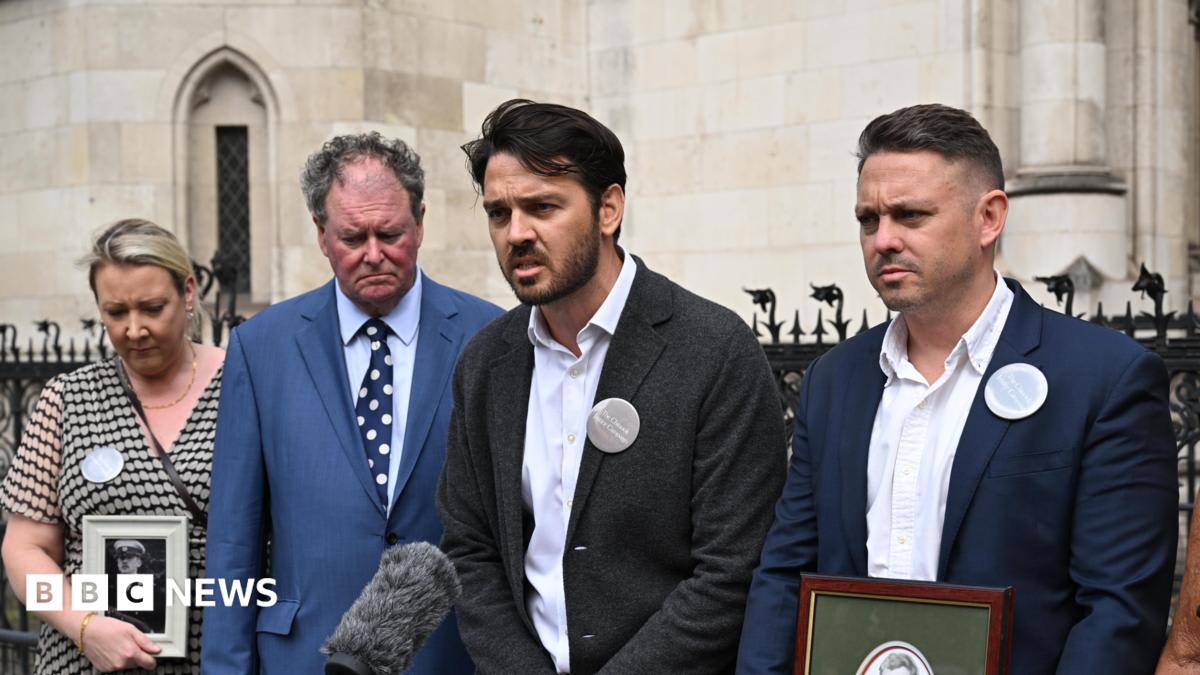
In 1994, a Chinook helicopter carrying 25 passengers and four crew crashed in the Mull of Kintyre in Scotland, killing all of those on board.
The Long Quest for Justice: The Mull of Kintyre Chinook Tragedy
The 1994 Mull of Kintyre crash remains one of the most contentious and emotionally charged aviation disasters in British military history. Decades after the tragedy, the families of the 29 victims are once again petitioning the courts to allow their legal challenge to proceed. This ongoing struggle highlights a profound and enduring gap between official government narratives and the quest for closure sought by bereaved loved ones, illustrating the complexities of military accountability and legal recourse.
The Tragedy of June 1994
The incident occurred on June 2, 1994, when a Royal Air Force (RAF) Chinook helicopter crashed into the Mull of Kintyre in Scotland. The disaster resulted in the deaths of all 29 people on board, including 25 passengers and four crew members. The crash sent shockwaves through the military community and the British public, as the Chinook was a cornerstone of British aerial transport and perceived as a highly reliable aircraft. The scale of the loss necessitated a rigorous investigation, yet the conclusions reached by the Ministry of Defence (MoD) became the primary catalyst for a legal war that has spanned thirty years.
The Conflict: Human Error vs. Mechanical Failure
At the heart of the legal dispute is the contested cause of the crash. The MoD originally attributed the disaster to "gross negligence" on the part of the pilots, suggesting they had flown too low or ignored critical safety protocols. However, families and independent aviation experts have long contested this finding, arguing that a mechanical failure—specifically related to the Full Authority Digital Engine Control (FADEC) system—was the likely culprit. This tension between the "human error" and "technical failure" theories has defined the legal proceedings, as the pilots' professional reputations remain at stake posthumously, making the pursuit of the truth a matter of honor as well as safety.
A Marathon of Legal Challenges
The legal battle has been a grueling marathon of petitions, appeals, and government reviews. After years of relentless campaigning, a review by Lord Philip in 2011 led the government to finally overturn the "gross negligence" verdict. While this provided a measure of vindication for the pilots, it stopped short of the full public inquiry demanded by the families. The current push to allow the case to proceed in court represents a refusal by the families to accept a partial victory; they are seeking a comprehensive legal resolution that addresses the perceived failures of the original investigation and ensures total transparency.
Broader Implications for Military Accountability
This case transcends a simple aviation accident; it serves as a critical case study in military accountability and the rights of victims' families against the state. The willingness of the court to allow the case to proceed will signal how the UK judiciary views the balance between national security or military prerogative and the public's right to a transparent investigation into the loss of life. It underscores the significant psychological toll on families who feel that the state has prioritized institutional protection and the avoidance of liability over the delivery of the truth.
Future Trends and Precedents
Looking forward, a successful court ruling for the families could trigger a wave of re-evaluations of other military incidents where "pilot error" was the default conclusion. It may force the MoD to adopt more transparent and independent protocols for crash investigations to avoid similar decades-long disputes. Conversely, if the court denies the request, it may solidify the government's stance on the finality of its internal reviews, potentially leaving a permanent scar on the trust between the RAF and the families of its fallen personnel.
Conclusion
In summary, the legal request by the families of the Mull of Kintyre victims is more than a quest for legal damages; it is a pursuit of historical accuracy and moral justice. As the courts decide whether the case can proceed, the outcome will determine if the truth of what happened in the skies over Scotland in 1994 will finally be laid bare, providing the closure that has eluded 29 families for three decades.