A Wave of Iranian Nationalism Is Drowning Out Its Diplomats
Source Entity
Latest News: Today's Latest News Headlines from India & World | Hindustan Times | Hindustan Times
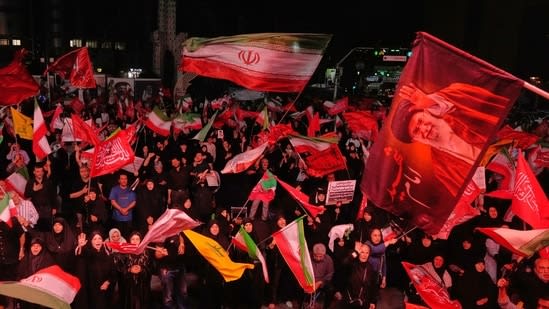
Fervor whipped up during the conflict is making it hard to compromise and easy for hard-liners to stymie progress.
The Collision of Nationalism and Diplomacy in Iran
The current political landscape in Iran is witnessing a volatile intersection between state-driven nationalism and the pragmatic requirements of international diplomacy. As nationalist fervor intensifies, the space for diplomatic maneuverability is shrinking. This phenomenon creates a paradoxical situation where the very sentiment intended to project strength on the global stage actually weakens the state's ability to negotiate favorable terms, as diplomats are increasingly viewed through a lens of suspicion by their own domestic constituents.
The Mechanism of Nationalist Fervor
Nationalism, when whipped up during periods of conflict or geopolitical tension, often transforms from a unifying force into a rigid constraint. In the Iranian context, this fervor creates a political atmosphere where any gesture of compromise is framed not as a strategic victory, but as a surrender of national sovereignty. When the public is conditioned to expect absolute defiance, the diplomatic objective of "win-win" outcomes becomes politically toxic. This environment effectively traps negotiators, as the cost of a successful compromise may be perceived as too high in terms of domestic political capital.
Empowerment of the Hard-liners
This surge in nationalism provides significant leverage to hard-line factions within the Iranian government. By aligning themselves with the most fervent expressions of national pride, hard-liners can easily characterize moderate diplomats as being "too soft" or overly influenced by foreign interests. This dynamic allows hard-line elements to stymie progress on critical files—such as sanctions relief or nuclear agreements—by claiming they are the sole protectors of the nation's dignity. Consequently, the internal power balance shifts away from the Ministry of Foreign Affairs and toward security-centric apparatuses that prioritize ideological purity over diplomatic pragmatism.
Implications for International Relations
On the international stage, this internal struggle sends mixed signals to global powers. When a government's diplomatic wing suggests a path toward de-escalation, but its internal nationalist rhetoric suggests a path of confrontation, foreign counterparts become hesitant to engage in good faith. The risk of a "spoiler" effect increases, where agreements reached at the negotiating table are dismantled by hard-liners back home to appease a nationalist crowd. This volatility reduces Iran's credibility as a negotiating partner and increases the likelihood of prolonged diplomatic stalemates.
Historical Context and Recurring Patterns
Historically, Iran has oscillated between periods of openness and isolation, often driven by the tension between reformist desires for integration and hard-line desires for autonomy. The current wave of nationalism is a continuation of this cyclical struggle. However, the modern era of hyper-connectivity and rapid information flow has accelerated the speed at which nationalist sentiment can be mobilized, making it harder for diplomats to conduct the quiet, behind-the-scenes negotiations that are typically required for complex international breakthroughs.
Conclusion: The Path Forward
Ultimately, the drowning out of diplomats by nationalist fervor suggests a precarious future for Iranian foreign policy. Unless a balance can be struck between maintaining national pride and pursuing strategic interests, the country risks a state of permanent diplomatic friction. The ability of the Iranian leadership to manage domestic expectations without alienating the nationalist base will be the deciding factor in whether the country can successfully navigate its current conflicts or remain locked in a cycle of isolation and hard-line dominance.
Verification Required?