UAE has a plan to bypass Strait of Hormuz amid Iran-US war. Here’s how
Source Entity
The Indian Express
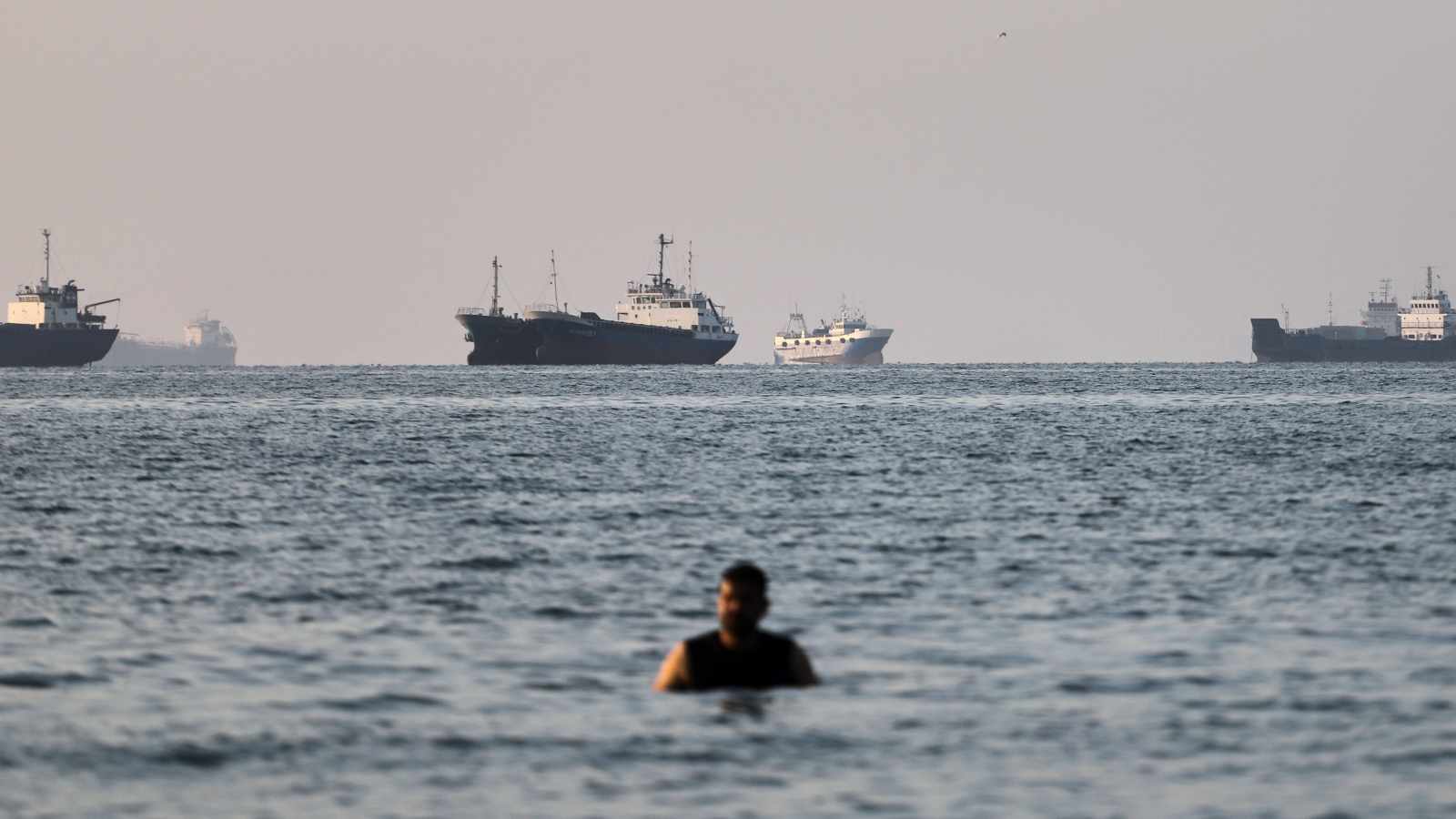
A person stands in shallow water as cargo and commercial vessels are anchored in the Strait of Hormuz off Bandar Abbas, Iran. (AP) The United Arab Emirates is planning a new deepwater port on its eas...
Strategic Diversification: UAE's Gambit to Bypass the Strait of Hormuz
In a decisive move to safeguard its economic lifeline, the United Arab Emirates (UAE) is advancing plans to develop a new deepwater port on its eastern coastline. This strategic infrastructure project is designed specifically to provide a viable alternative to the Strait of Hormuz, one of the world's most critical yet volatile maritime chokepoints. By establishing a direct gateway to the open waters of the Gulf of Oman and the Arabian Sea, the UAE seeks to insulate its trade and energy exports from the geopolitical volatility that frequently characterizes the relationship between Iran and the United States.
The Critical Vulnerability of the Strait of Hormuz
To understand the urgency of this project, one must analyze the singular importance of the Strait of Hormuz. As the only sea passage from the Persian Gulf to the open ocean, it serves as the primary artery for a significant portion of the world's liquefied natural gas (LNG) and crude oil. Because the shipping lanes are narrow and pass through Iranian territorial waters, the Strait is highly susceptible to blockade or harassment. Historically, Iran has frequently used the threat of closing the Strait as a geopolitical lever during disputes with the West, making any disruption a potential catalyst for a global energy crisis and skyrocketing oil prices.
Hedging Against Iran-US Hostilities
The UAE's decision to build an east-coast port is a direct response to the cyclical escalation of tensions between Tehran and Washington. Whether the conflict centers on nuclear proliferation, sanctions, or regional proxy wars, the UAE finds itself in a precarious position due to its geographic reliance on the Strait. By shifting the point of departure for its tankers and cargo ships further east, the UAE effectively creates a 'safety valve.' This allows the nation to maintain its status as a global trade hub and energy supplier even if the Strait of Hormuz becomes a combat zone or is closed due to diplomatic collapse.
Economic Implications and Energy Security
From a macroeconomic perspective, this deepwater port is more than just a backup plan; it is an investment in long-term energy security. The ability to bypass the Strait ensures that the UAE can honor its delivery contracts with global partners without interruption. For the international community, this reduces the 'risk premium' associated with Gulf oil. If a significant volume of UAE exports can flow through an eastern port, the global market becomes less sensitive to Iranian threats, thereby stabilizing energy costs and ensuring that supply chains remain resilient during periods of regional instability.
Shifting Maritime Logistics in the Region
This project signals a broader shift in the maritime logistics of the Arabian Peninsula. By developing deepwater capabilities on the east coast, the UAE is repositioning itself to better interface with emerging markets in Asia and Africa without the bottleneck of the Persian Gulf. This move mirrors similar strategies adopted by other regional powers, such as Saudi Arabia's investments in pipelines to the Red Sea. The transition toward east-coast infrastructure represents a fundamental reimagining of the region's geography, where the 'exit strategy' is as important as the production capacity.
Future Trends and Geopolitical Outlook
Looking forward, this move is likely to prompt further infrastructure competition in the region. As the UAE strengthens its eastern maritime flank, other Gulf nations may accelerate their own bypass projects to avoid being the only remaining parties dependent on the Strait. Furthermore, this development may alter the diplomatic calculus in the region; by reducing its vulnerability to Iranian threats, the UAE gains more strategic autonomy in its foreign policy, allowing it to navigate the complex US-Iran dynamic from a position of greater economic security.
Summary of Strategic Impact
Ultimately, the UAE's plan to establish a deepwater port on its east coast is a pragmatic response to a permanent geopolitical risk. By decoupling its economic survival from the stability of the Strait of Hormuz, the UAE is not only protecting its own sovereign interests but is also contributing to the overall stability of the global energy market. This project underscores a transition from a reliance on natural geography to a reliance on engineered strategic alternatives.