Long before Supreme Court ruling, how Ambedkar grappled with Assam’s citizenship question
Source Entity
Jatin Anand
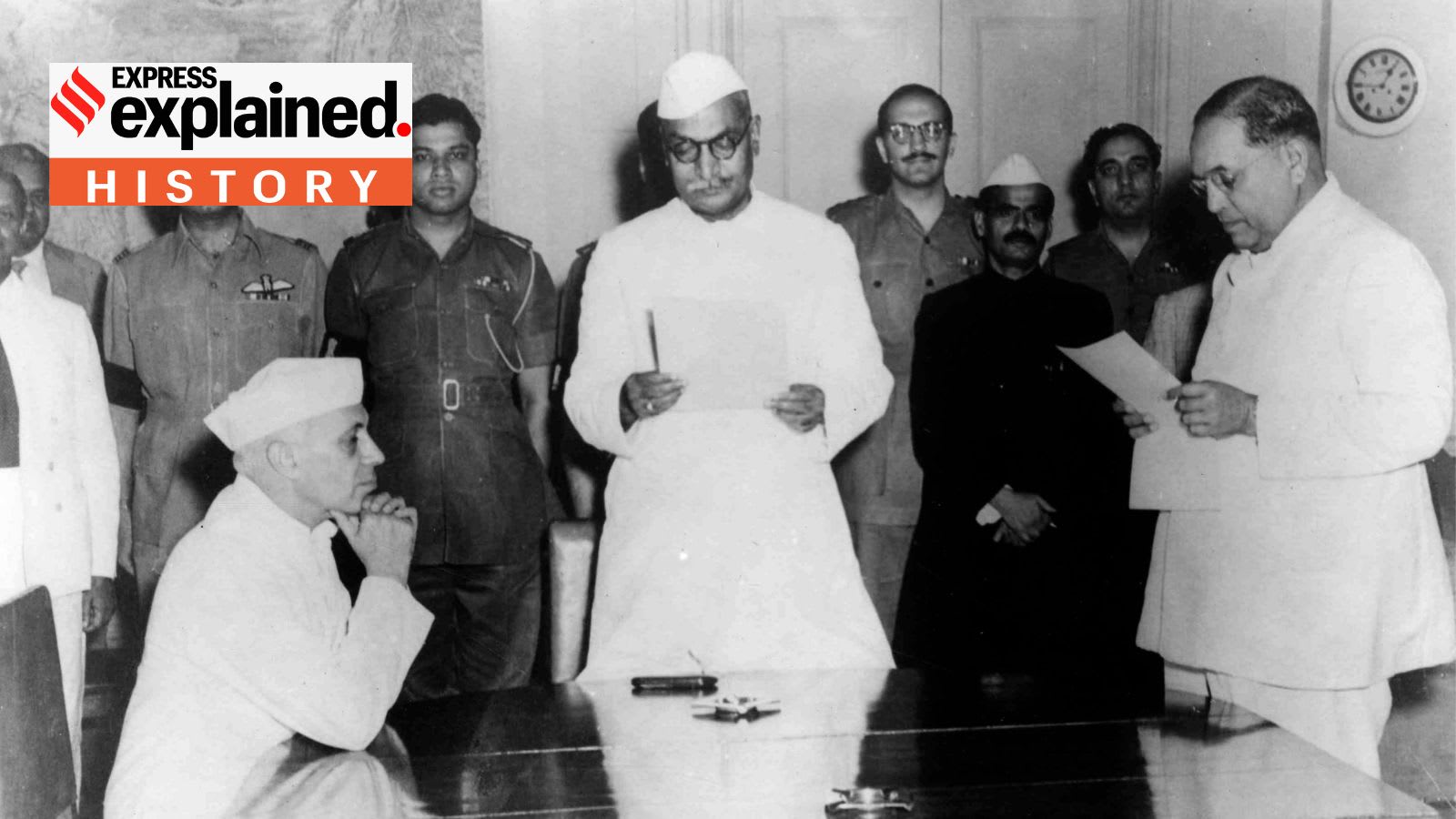
The Supreme Court on Monday (July 13) held that the determination of citizenship status must be carried out through “a fair, lawful and reasonable process”, sending 27 cases back for adjudication befo...
The Intersection of Law and Identity: Analyzing the Supreme Court's Stance on Assam's Citizenship
In a significant judicial intervention, the Supreme Court of India has reaffirmed that the determination of citizenship status cannot be an arbitrary administrative exercise but must instead be conducted through a "fair, lawful and reasonable process." By sending 27 cases back for fresh adjudication, the Court has signaled a critical correction in how citizenship disputes are handled, particularly in the sensitive geopolitical landscape of Assam. This ruling does not merely address procedural lapses; it touches upon the fundamental right to identity and the state's obligation to ensure due process before stripping an individual of their legal standing.
The Legal Imperative of Due Process
The Court's insistence on a "fair, lawful and reasonable process" serves as a safeguard against the potential for systemic errors in citizenship tribunals. In the context of Assam, where the National Register of Citizens (NRC) and various citizenship amendments have created a climate of legal uncertainty, the risk of wrongful disenfranchisement is high. By remanding these cases, the judiciary is emphasizing that the burden of proof and the mechanism of verification must be transparent. This ensures that individuals are not rendered stateless due to bureaucratic inefficiency or the lack of legacy documents, which are often missing for marginalized populations.
The Ambedkarite Perspective on Citizenship
Linking this current ruling to the intellectual legacy of Dr. B.R. Ambedkar provides profound historical context. Ambedkar, the chief architect of the Indian Constitution, grappled with the complexities of citizenship not just as a legal status, but as a gateway to social and political rights. His approach was rooted in the belief that citizenship must be inclusive and protected by the rule of law to prevent the state from using identity as a tool of oppression. The Supreme Court's current focus on "reasonableness" mirrors Ambedkar's insistence that the law must serve the individual's dignity, ensuring that the state's power to define a citizen is checked by judicial oversight.
Historical Context of Assam's Citizenship Struggle
To understand the gravity of this ruling, one must consider the unique historical trajectory of Assam. From the 1951 NRC to the 1985 Assam Accord, the region has been the epicenter of debates over migration, ethnicity, and national identity. The tension between the need to secure borders and the need to protect genuine residents has often led to legal volatility. The current judicial mandate to ensure a "fair process" is an attempt to reconcile these competing interests—national security and human rights—by ensuring that the legal machinery does not overlook the nuances of local history and personal documentation.
Broader Implications for Human Rights
The broader implications of this ruling extend beyond the 27 remanded cases. It sets a precedent for how citizenship disputes across India should be handled. When the state seeks to classify an individual as a "foreigner," it invokes a power that can lead to detention or deportation. Therefore, the "reasonableness" standard adopted by the Court acts as a critical check on executive overreach. It reinforces the principle that citizenship is a fundamental attribute of a person's existence in a modern republic, and its removal requires a standard of evidence and a level of fairness that leaves no room for ambiguity.
Future Trends and Judicial Oversight
Looking forward, this ruling is likely to lead to a more rigorous scrutiny of the evidence presented in citizenship tribunals. We can expect a trend where the courts demand more flexible interpretations of "documentary evidence," acknowledging that the poor and displaced often lack formal records. Furthermore, this may prompt the government to refine the adjudication process to avoid further remands. Ultimately, the synthesis of the Supreme Court's current mandate and Ambedkar's constitutional vision suggests a future where the legal definition of a citizen is balanced with the humanitarian necessity of protecting an individual's right to belong.