'Expelled him from AAP long back': How Kejriwal reacted to Tahir Hussain's conviction
Source Entity
TOI NEWS DESK
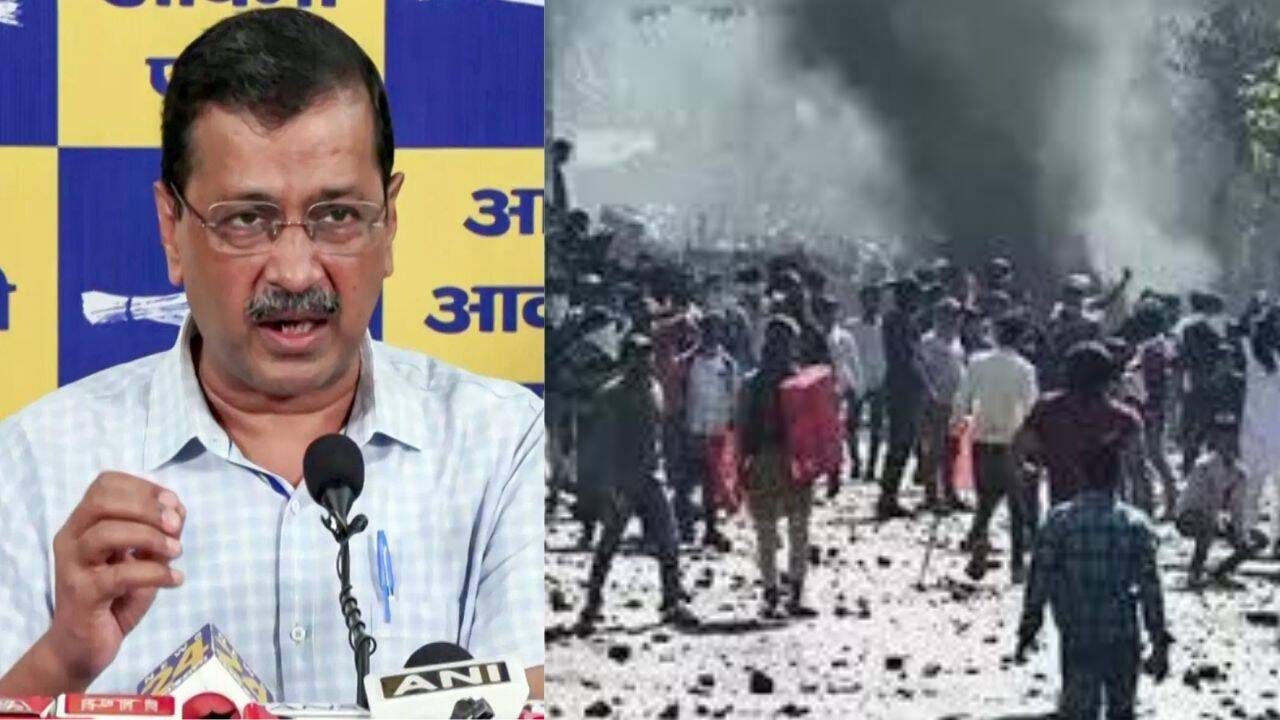
'Expelled him from AAP long back': How Kejriwal reacted to Tahir Hussain's conviction...
Political Dissociation: Analyzing Kejriwal's Response to Tahir Hussain's Conviction
The conviction of Tahir Hussain marks a significant legal milestone in the aftermath of the 2020 Delhi riots, but it simultaneously triggers a calculated political maneuver by the Aam Aadmi Party (AAP). Arvind Kejriwal's immediate reaction—stating that Hussain was "expelled from AAP long back"—is not merely a factual correction but a strategic attempt to decouple the party's current identity from the criminal actions of a former member. This dissociation is critical in the high-stakes environment of Delhi politics, where party image and public perception can shift rapidly based on judicial outcomes.
The Strategy of Formal Dissociation
By emphasizing the timeline of the expulsion, Kejriwal is utilizing a standard political defense mechanism known as 'distancing.' For a party like AAP, which rose to power on a platform of transparency, honesty, and a departure from the 'corrupt' politics of the past, any association with an individual convicted of violent crimes is a potent liability. The assertion that the expulsion happened "long back" serves to argue that the party took corrective action well before the court's final verdict, thereby attempting to shield the central leadership from accusations of complicity or negligence.
Historical Context and the 2020 Riots
To understand the weight of this conviction, one must look back at the 2020 Delhi riots, a period of intense communal violence that left numerous dead and thousands displaced. Tahir Hussain emerged as a central figure in several of the legal proceedings stemming from these events. The court's decision to convict him validates the prosecution's evidence regarding his role in the violence. For the AAP, the ghost of these riots continues to haunt their electoral narrative, as opposition parties frequently cite Hussain's former membership to paint the AAP as a party that tolerated or encouraged communal instability for electoral gains.
Broader Political Implications for AAP
This event highlights the recurring struggle that regional parties face when managing local cadres. While the central leadership may project a specific image of governance and law-abidance, the actions of local leaders can create severe brand damage. The conviction of Tahir Hussain forces the AAP to constantly relive and defend its past association with him. This creates a vulnerability that political rivals, particularly the BJP and Congress, are likely to exploit in upcoming election cycles to question the AAP's internal vetting processes and its commitment to communal harmony.
Future Trends in Political Liability
Moving forward, it is predictable that the legal battle will transition to appellate courts, ensuring that the name of Tahir Hussain remains in the news cycle. We can expect the AAP to continue its narrative of absolute detachment, likely issuing more detailed timelines of the expulsion to preempt any 'guilt by association' arguments. Furthermore, this case may prompt other political parties in India to tighten their disciplinary frameworks and formalize expulsion processes more rigorously to avoid similar liabilities when members face criminal convictions.
Conclusion
In summary, the conviction of Tahir Hussain is a legal victory for the judicial system, but a communication challenge for Arvind Kejriwal. While the court has settled the question of Hussain's guilt, the political trial continues. By framing the expulsion as a historical fact, Kejriwal aims to close the chapter on Hussain's association with the AAP, though the political echoes of the 2020 riots ensure that this remains a sensitive and volatile issue in the Delhi political landscape.