No rift in NCP, Sachchidanand Singh's letter carries no weight: Praful Patel
Source Entity
India Latest News: Top National Headlines Today & Breaking News | The Hindu
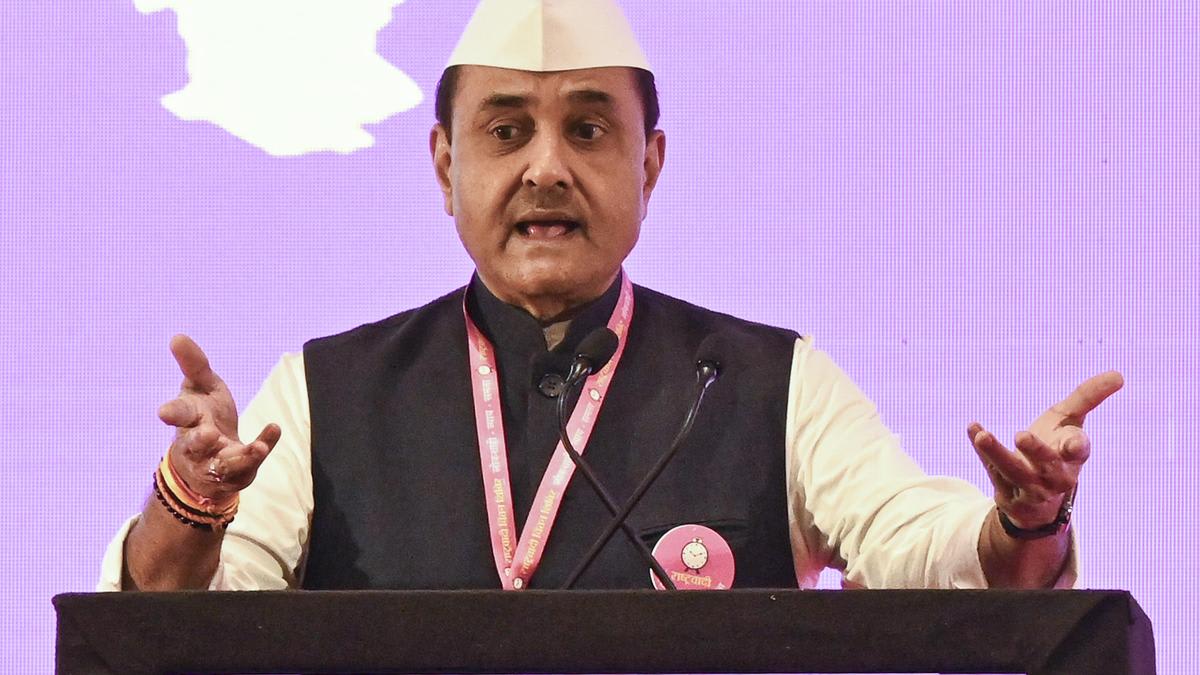
The letter written by Sachchidanand Singh carries no weight. Any issue should be resolved amicably in the interest of the party, says NCP national working president Praful Patel
Analysis of Internal Dynamics within the Nationalist Congress Party (NCP)
In a recent development aimed at projecting stability, the National Working President of the Nationalist Congress Party (NCP), Praful Patel, has explicitly dismissed a letter penned by Sachchidanand Singh. By stating that the letter "carries no weight," Patel is attempting to neutralize potential narratives of internal dissent and fragmentation. This response is a strategic move to ensure that a single point of contention does not snowball into a broader perception of instability within the party's hierarchy.
The Significance of Internal Dissent and Political Signaling
In the complex landscape of Indian regional politics, letters of grievance or "memorandums" often serve as public signals of internal friction. When a party member like Sachchidanand Singh writes a formal letter expressing concerns, it is typically viewed by political analysts as a precursor to a potential split or a demand for leadership changes. Praful Patel's immediate and public dismissal of the letter is designed to strip the document of its political capital, effectively signaling to both party cadres and opponents that the leadership remains firmly in control and that the dissent is isolated rather than systemic.
Historical Context of NCP Factionalism
The NCP has a documented history of volatility and internal divisions, most notably the high-profile split between the factions led by Sharad Pawar and Ajit Pawar. Given this backdrop, any mention of a "rift"—even one sparked by a single letter—can be highly destabilizing. The party is acutely aware that perceived weakness or division can encourage defections or weaken its bargaining power within coalition governments. Therefore, Patel's insistence that there is "no rift" is not just a comment on the current situation, but a defensive measure to prevent a repeat of previous fragmentation.
The Rhetoric of Amicable Resolution
Beyond the dismissal of the letter, Praful Patel emphasized that any issues should be "resolved amicably in the interest of the party." This phrasing is critical as it shifts the conversation from a public conflict to a private, administrative process. By advocating for an amicable resolution, the leadership is offering a "golden bridge" for the dissenting member to retreat from their public stance without losing face, while simultaneously reinforcing the idea that the party's collective interest supersedes individual grievances.
Broader Political Implications and Future Trends
Looking forward, this event suggests that the NCP is prioritizing a "unity at all costs" strategy to maintain its relevance in a competitive political environment. The ability of the party to absorb and silence internal dissent will be a key indicator of its health leading up to future electoral cycles. If the party can successfully manage these minor frictions through the "amicable" channels Patel mentioned, it will strengthen its position. However, if such letters continue to surface, it may indicate a deeper, systemic dissatisfaction that cannot be resolved through simple public denials.
Conclusion
Praful Patel's response to Sachchidanand Singh's letter is a textbook example of political damage control. By combining a firm dismissal of the letter's validity with a call for internal diplomacy, the NCP leadership is attempting to shut down rumors of a rift and maintain a facade of cohesion. The ultimate success of this strategy will depend on whether the underlying issues raised by Singh are addressed internally or if they continue to manifest as public disputes.
Verification Required?