Satluj debate: What is a truth commission and why is one being sought in Punjab?
Source Entity
Divya Goyal
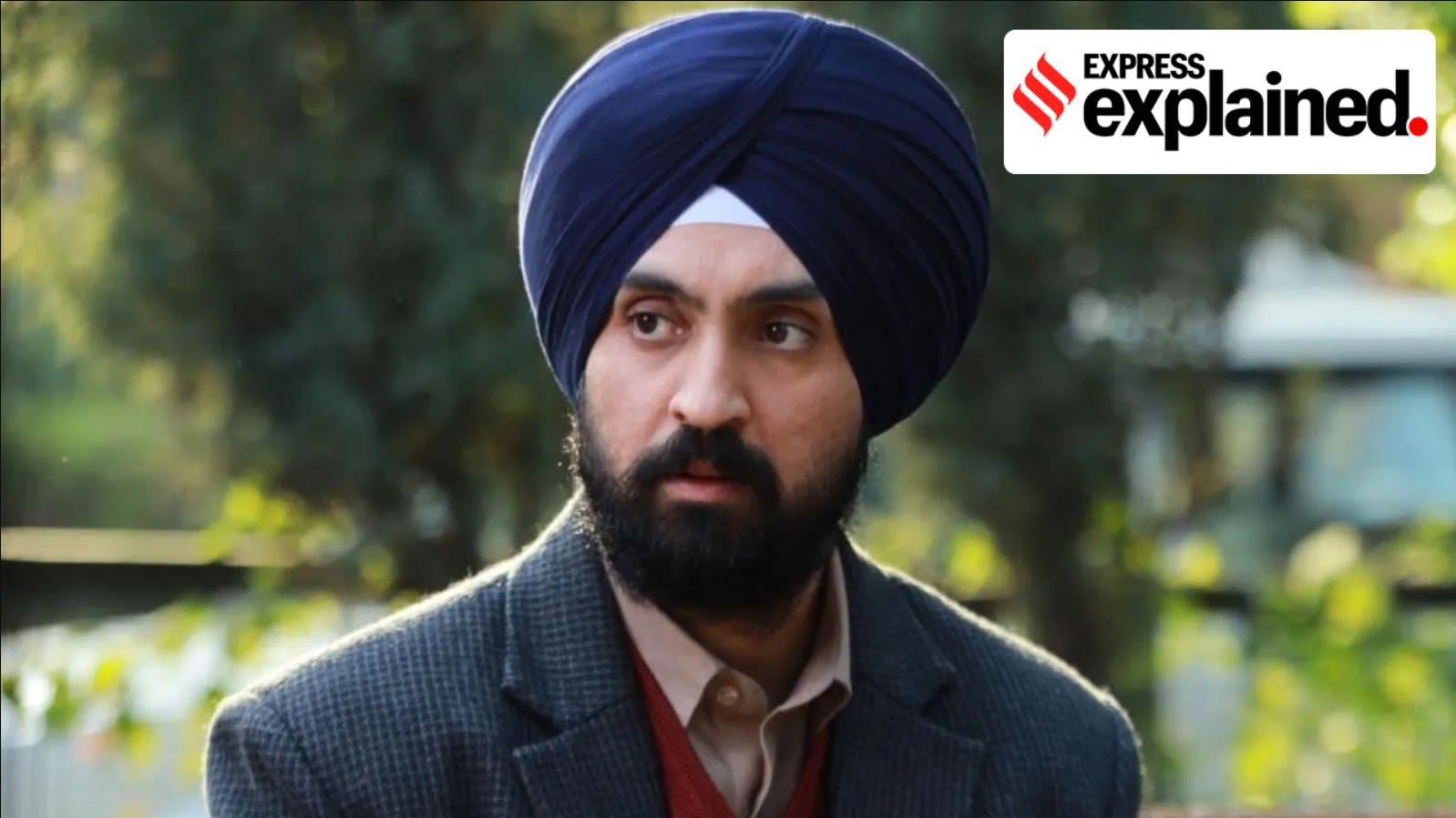
Amid the controversy over the takedown of the film Satluj, some political and religious leaders in Punjab are calling for a “truth commission” to settle the debate over the number of people who were k...
The Satluj Controversy: Art, Memory, and the Demand for Truth
The recent takedown of the film Satluj has ignited a complex political and social firestorm in Punjab. The controversy centers not only on the censorship or removal of the cinematic work but on the underlying historical narratives it sought to portray. The demand for a "truth commission" by political and religious leaders indicates that the film touched upon deeply sensitive issues regarding loss of life and historical grievances, transforming a piece of media into a catalyst for a broader quest for official recognition and factual clarity.
Understanding the Call for a Truth Commission
A truth commission is typically a non-judicial body established to investigate a past human rights violation or a period of systemic conflict. Unlike a criminal court, which focuses on individual guilt and punishment, a truth commission aims to establish an official historical record. In the context of Punjab, the call for such a commission suggests that existing narratives regarding the number of people killed during the events depicted in Satluj are contested. By seeking a formal commission, leaders are attempting to move the debate from the realm of cinematic interpretation and political rhetoric into a structured, evidentiary process.
The Intersection of Cinema and Political Sensitivity
The removal of Satluj highlights the volatile intersection of artistic expression and political sensitivity. When a film attempts to quantify casualties or assign responsibility for historical violence, it often clashes with the official state narrative or the emotional memories of religious groups. The takedown of the film suggests a perceived threat to social harmony or a disagreement over the factual accuracy of the portrayal. This tension underscores the role of cinema as a mirror to society's unresolved traumas, where the act of storytelling can be seen as a provocative political act.
Broader Implications for Punjab
This development reflects a persistent desire within Punjab for closure and reconciliation. The insistence on a truth commission indicates that for many, the "truth" is not merely a matter of numbers but a prerequisite for healing. If the government or relevant authorities ignore these demands, the controversy surrounding the film could evolve into wider civil unrest or deepened political polarization. Conversely, the establishment of such a body could provide a pathway toward acknowledging historical suffering and legitimizing the grievances of the affected populations.
Conclusion
The debate sparked by Satluj is less about the film itself and more about the enduring struggle for historical truth in Punjab. The demand for a truth commission represents a formal effort to settle disputes over casualties and validate the lived experiences of the people. As the situation unfolds, the resolution will likely depend on whether the state views these demands as a threat to stability or as an opportunity for genuine reconciliation.