Rohit Sharma and Virat Kohli return to England: their stunning ODI record on British soil
Source Entity
The Indian Express
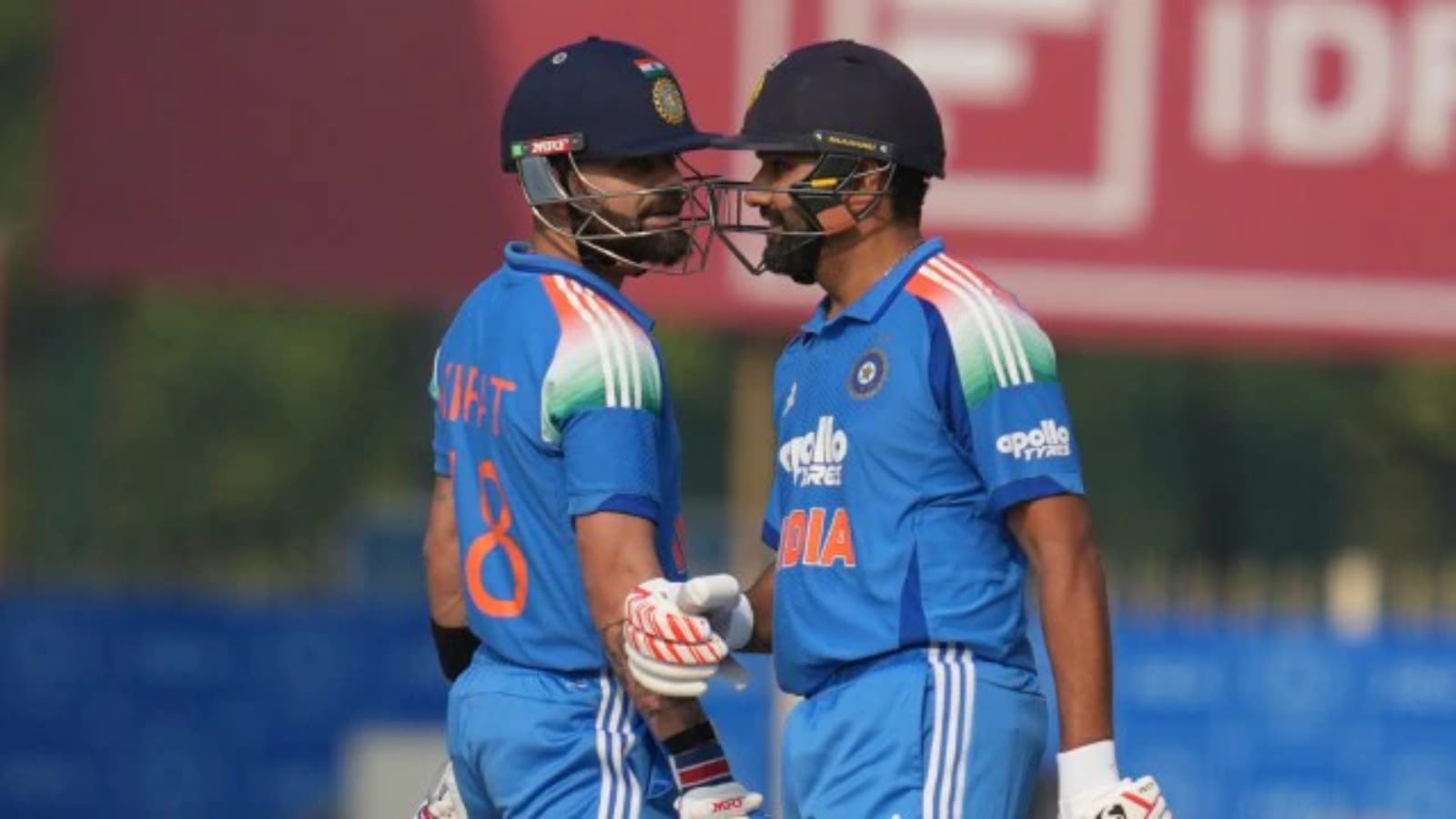
Indian cricket team are set to return to One Day Internationals (ODIs) format as their UK Tour continues against England in a crucial 3-match ODI series starting July 14. After back-to-back disappoint...
The Return of the Titans: India's ODI Campaign in England
The Indian national cricket team is preparing for a pivotal transition in their UK tour as they shift their focus toward the One Day International (ODI) format. Starting July 14, India will face England in a high-stakes three-match series that serves as more than just a bilateral contest; it is a litmus test for the team's adaptability and resilience. Coming off the heels of recent challenges in the tour, the pressure is mounting on the squad to deliver a dominant performance on British soil, where conditions often favor the bowler and demand extreme technical precision from the batsmen.
The Influence of Rohit Sharma and Virat Kohli
Central to India's strategy is the return of their most prolific batting duo, Rohit Sharma and Virat Kohli. Their record in England is a subject of intense scrutiny and admiration. Kohli, known for his unmatched consistency and ability to anchor an innings, brings a level of psychological stability to the top order. His historical performance in English conditions—characterized by his ability to handle the swinging ball—will be crucial in neutralizing the early threat from England's pace attack.
Meanwhile, Rohit Sharma provides the explosive impetus required in the powerplay. His capacity to accelerate the scoring rate without sacrificing stability allows India to set daunting totals or chase aggressively. The synergy between these two veterans not only stabilizes the batting lineup but also provides a mentorship bridge for the younger players navigating the complexities of UK pitches.
Navigating the English Conditions
Playing ODIs in England requires a specific tactical blueprint. The inherent nature of the pitches—often featuring green tinge and significant lateral movement—means that the first ten overs are often a battle of survival. For India, the challenge lies in balancing aggression with caution. Historically, Indian teams have struggled when attempting to play too aggressively too early in the UK, leading to collapses. However, with the current experience level of the squad, there is an expectation that they will employ a more nuanced approach, utilizing the gaps and rotating strike effectively before launching an assault in the death overs.
Broader Implications and Strategic Stakes
This series carries significant weight beyond the immediate win-loss column. As teams look toward future ICC global events, performing well in diverse conditions like those found in England is essential for building a versatile squad. A victory here would signal India's readiness to dominate in any environment, reinforcing their status as a global powerhouse. Conversely, a failure to adapt could expose vulnerabilities in the middle order or a lack of penetration in the bowling attack, forcing the management to reconsider their selection strategies for upcoming tournaments.
Historical Context and Future Trends
Historically, India's ODI ventures in England have been a rollercoaster of triumph and heartbreak. From legendary clashes in the 90s to more recent tactical battles, the rivalry has evolved into one of the most watched fixtures in world cricket. Looking forward, this series likely marks a transition period where the legacy of the 'Golden Generation' (Rohit and Kohli) intersects with the rise of new talent. We can expect a trend where India relies more heavily on data-driven matchups and aggressive field placements to disrupt England's home-ground advantage.
Conclusion
As the July 14 start date approaches, the narrative surrounding the India-England ODI series is one of redemption and dominance. With the combined expertise of Rohit Sharma and Virat Kohli, India possesses the firepower to overcome the challenges of the British climate and pitch conditions. The series will not only determine the winner of the trophy but will also provide critical insights into the current hierarchy of ODI cricket and the readiness of the Indian side for future global challenges.