Tata Sierra EV: 3 things I liked and 2 I didn’t
Source Entity
Latest News: Today's Latest News Headlines from India & World | Hindustan Times | Hindustan Times
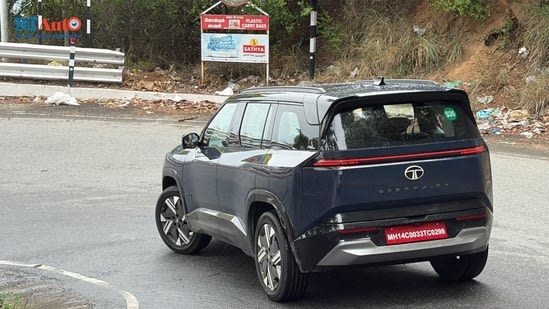
The Tata Sierra EV impressed with its comfort, performance and technology, but a few ergonomic and driving shortcomings were hard to ignore.
The Return of a Legend: Analyzing the Tata Sierra EV
The revival of the Tata Sierra as an electric vehicle (EV) is more than a mere product launch; it is a strategic attempt by Tata Motors to blend nostalgia with futuristic mobility. The original Sierra was a cult classic in the Indian automotive market, known for its avant-garde design and spaciousness. By reimagining this nameplate for the electric era, Tata is signaling its transition from producing entry-level electric commuters to offering premium, lifestyle-oriented vehicles that can compete on a global stage.
The Pillars of Success: Performance and Tech
According to the initial assessment, the Tata Sierra EV excels in three primary areas: comfort, performance, and technology. In the current EV landscape, "performance" typically refers to the instant torque and seamless acceleration provided by electric powertrains, which likely give the Sierra a competitive edge in urban and highway driving. Furthermore, the integration of advanced technology—potentially including a sophisticated infotainment system and augmented reality heads-up displays—suggests that Tata is leveraging its new dedicated EV architectures to provide a digitally native experience for the modern driver.
Prioritizing the Passenger Experience
Comfort is highlighted as a significant strength, which is a direct nod to the legacy of the original Sierra. The vehicle likely employs a cabin design that maximizes the flat-floor advantage of an EV platform, providing superior legroom and an airy atmosphere. This focus on comfort indicates that Tata is targeting the "premium lifestyle" segment—buyers who view their vehicle not just as a tool for transport, but as a mobile sanctuary. The synergy between high-end materials and ergonomic seating likely contributes to this positive impression.
Addressing the Friction: Ergonomics and Dynamics
Despite the praise, the review notes that ergonomic and driving shortcomings are "hard to ignore." In the transition to EVs, manufacturers often struggle with the placement of controls as they move toward touch-centric interfaces, which can lead to driver distraction—a common ergonomic pitfall. Additionally, "driving shortcomings" may stem from the inherent challenges of managing the weight of large battery packs in a boxy, SUV-style chassis, potentially affecting the vehicle's agility or ride quality over undulating surfaces.
Market Implications and Competitive Landscape
The emergence of the Sierra EV comes at a critical juncture for the Indian EV market. With competitors like Mahindra preparing their "Born Electric" range, Tata is under pressure to ensure that its flagship conceptual revivals are polished. The balance between aesthetic nostalgia and functional usability is delicate; if the ergonomic flaws are not addressed in the final production version, the brand risks alienating the very enthusiasts it seeks to attract.
Conclusion and Future Outlook
Ultimately, the Tata Sierra EV represents a bold step forward in Tata's electrification journey. While the core strengths in technology and comfort provide a strong foundation, the reported shortcomings in driving dynamics and ergonomics serve as a vital roadmap for refinement. If Tata can iron out these kinks, the Sierra EV has the potential to become a benchmark for lifestyle electric vehicles in emerging markets, proving that legacy design and sustainable technology can coexist successfully.
Verification Required?