Pinwheel launches a retro-inspired landline phone for kids
Source Entity
Lauren Forristal
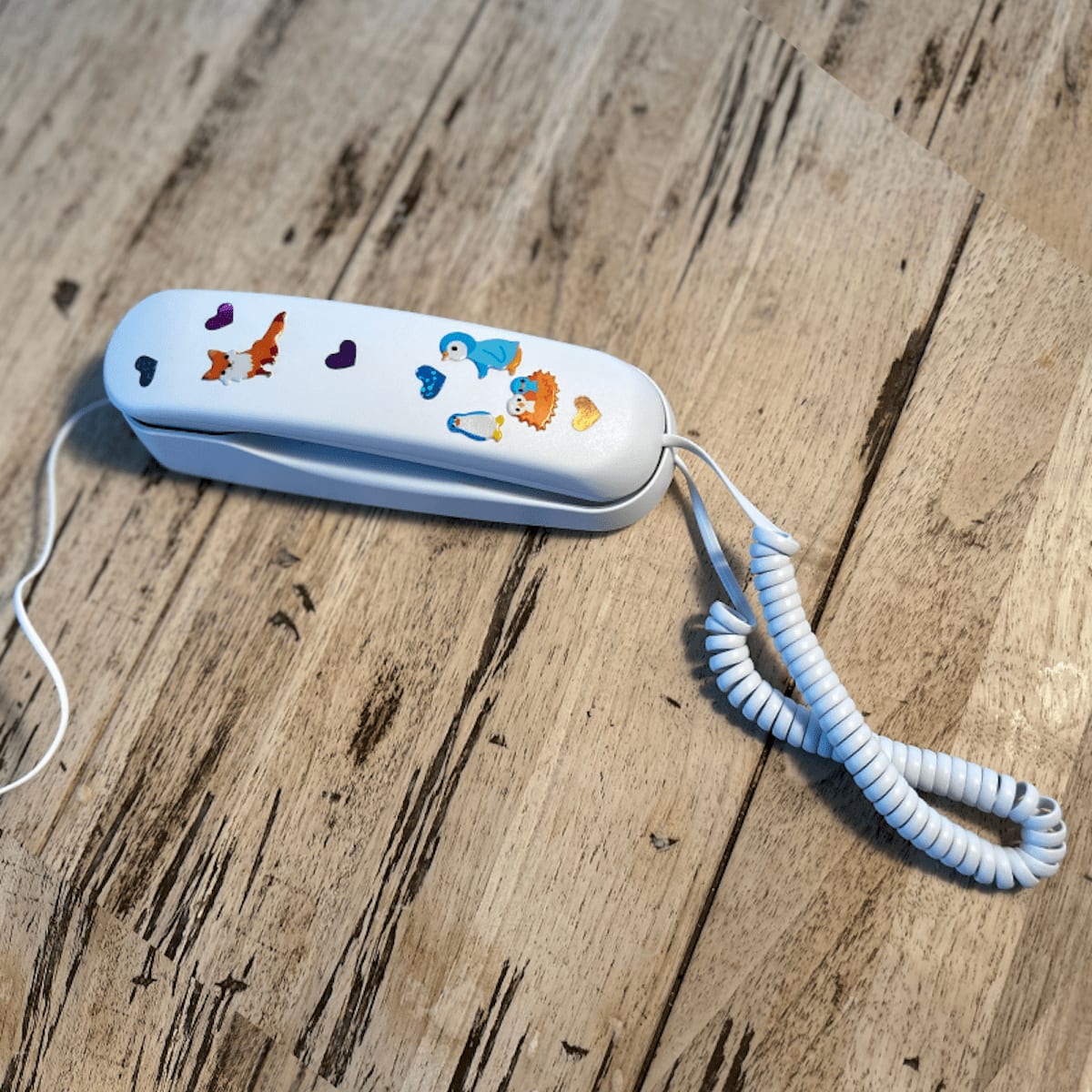
Kid-friendly tech company Pinwheel announced the launch of a new landline phone designed to let children stay connected without the distractions of a smartphone.
Reclaiming Childhood: Pinwheel's Strategic Pivot to Analog Connectivity
In an era defined by the omnipresence of high-speed internet and the addictive nature of algorithmic feeds, Pinwheel's launch of a retro-inspired landline phone for children represents a provocative counter-trend in the consumer electronics market. By introducing a device that intentionally limits functionality, Pinwheel is not merely selling a piece of hardware; they are offering a philosophy of "digital minimalism" for the next generation. This move comes at a critical juncture where parents are increasingly concerned about the impact of early smartphone adoption on cognitive development and mental health.
The Psychology of the "Retro" Approach
The decision to utilize a retro landline aesthetic is a calculated move that appeals to both the nostalgia of parents and the curiosity of children. Unlike a smartphone, which serves as a gateway to a global network of distractions, a landline phone serves a single, focused purpose: voice communication. By stripping away the capability for texting, browsing, and app usage, Pinwheel encourages children to engage in synchronous, real-time conversation. This promotes the development of essential social skills, such as active listening and verbal articulation, which are often eroded by the asynchronous and curated nature of digital messaging.
Addressing the Smartphone Dilemma
For many parents, the transition to giving a child their first phone is fraught with anxiety. The dilemma lies between the need for safety—being able to reach their child or having the child reach them—and the desire to protect them from the predatory nature of social media and the dopamine loops of mobile gaming. Pinwheel's landline solves this tension by providing a "safe harbor" for communication. It allows a child to feel the autonomy of having "their own phone" without exposing them to the vulnerabilities of the open web, effectively bypassing the need for complex parental control software that often creates friction between parents and children.
Market Positioning and the Kid-Tech Landscape
Pinwheel has already established itself as a player in the kid-friendly tech space, but this landline marks a diversification of their product ecosystem. While their other offerings might focus on managed smartphone experiences, this product targets a specific segment of the market: the "smartphone-free" movement. This movement is gaining momentum globally, as educational experts and psychologists warn against the premature introduction of handheld screens. By positioning this device as a bridge between no phone and a smartphone, Pinwheel is capturing a market of cautious parents who prioritize mental well-being over digital convenience.
Broader Societal Implications for Gen Alpha
Generation Alpha, the cohort born entirely into the digital age, has little to no conceptual understanding of a world where communication was tethered to a physical location. By introducing a landline, Pinwheel is providing a tangible lesson in the history of technology and the concept of "intentionality." When a child uses a landline, the act of calling becomes a deliberate event rather than a mindless habit. This shift in behavior could potentially mitigate the fragmented attention spans currently observed in children who are accustomed to constant multitasking across multiple apps.
Predicting Future Trends in Focused Hardware
Looking forward, the success of Pinwheel's landline may signal a broader shift toward "single-purpose" or "focused" hardware for children. We are likely to see a rise in devices that do one thing exceptionally well without the baggage of a full operating system. This "de-platforming" of childhood tech will likely expand into other areas, such as dedicated music players or e-readers that lack browser capabilities. The industry is beginning to realize that the "everything device" is not always the optimal device for developing minds.
Conclusion: A Tool for Mindful Parenting
Ultimately, the Pinwheel retro landline is more than a nostalgic novelty; it is a tool for mindful parenting in a hyper-connected world. By removing the digital noise, it restores the simplicity of a phone call, fostering deeper emotional connections between children and their families. While it may seem like a step backward technologically, it is a strategic leap forward in terms of developmental health and digital wellness, proving that sometimes the best way to move forward is to embrace the simplicity of the past.