New York becomes the first state to enact a data center moratorium
Source Entity
Lauren Feiner
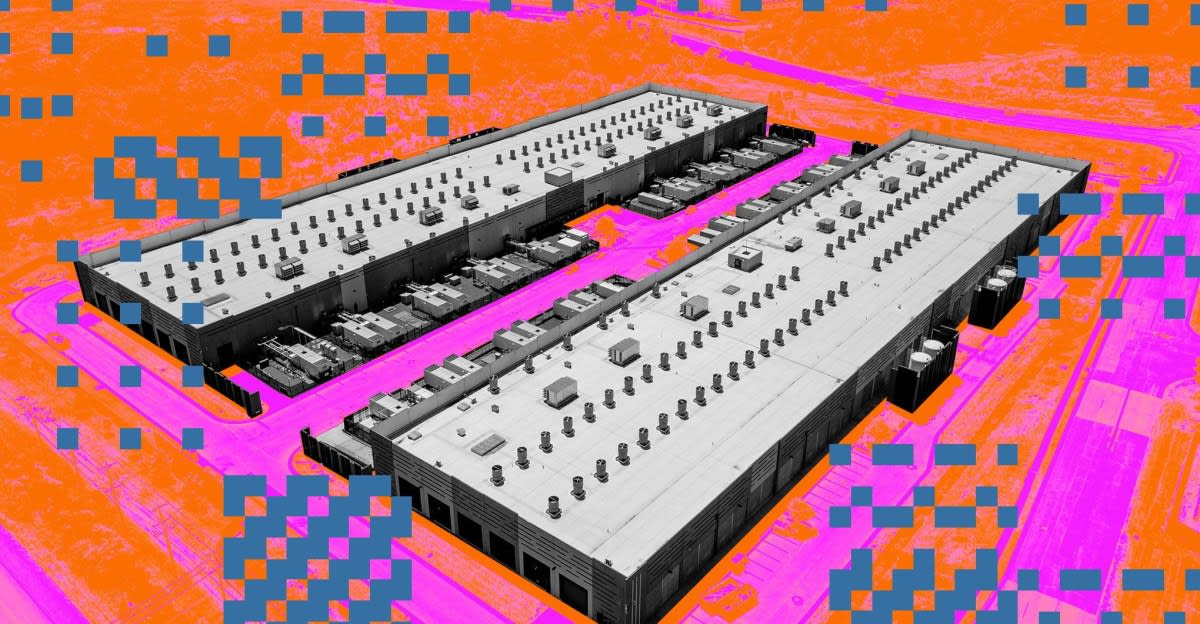
New hyperscale data centers can't set up shop in New York for up to a year now that Governor Kathy Hochul (D) has signed the nation's first statewide moratorium. But a bill passed by the state legislature that could restrict even more developments still awaits her signature. The order blocks new environmental permits for data […]
New York's Bold Pivot: Analyzing the First-in-Nation Data Center Moratorium
In an unprecedented move that signals a shifting tide in the relationship between state governments and Big Tech, Governor Kathy Hochul has signed a statewide moratorium on the construction of new hyperscale data centers. This executive action effectively freezes the issuance of new environmental permits for these massive facilities for up to one year. By taking this step, New York has established itself as the first state in the U.S. to implement such a broad restriction, reflecting a growing tension between the rapid expansion of digital infrastructure and the sustainability of local resources.
The Environmental and Infrastructure Catalyst
To understand the necessity of this moratorium, one must look at the immense resource requirements of hyperscale data centers. These facilities, which house thousands of servers to power cloud computing and AI, are notorious for their staggering electricity and water consumption. The strain on the electrical grid is a primary concern; as New York pursues aggressive carbon-neutrality goals, the sudden influx of power-hungry data centers threatens to offset gains made in renewable energy transition. Furthermore, the cooling requirements for these centers often place an unsustainable burden on local water tables, leading to potential conflicts with residential and agricultural water needs.
The AI Gold Rush and the Compute Crisis
The timing of this moratorium is inextricably linked to the global explosion of generative AI. The race to build Large Language Models (LLMs) has triggered a "compute gold rush," where tech giants are scrambling to build massive data hubs to house the GPUs required for AI training and inference. While this brings potential investment and high-tech prestige to a region, the scale of growth has outpaced urban planning and environmental regulation. New York's decision suggests that the state is no longer willing to accept "growth at any cost," opting instead to pause and assess whether the existing infrastructure can support the AI-driven demand without compromising public utilities.
Legislative Pressure and Long-Term Restrictions
While the current moratorium is a temporary measure, the legislative landscape suggests a move toward more permanent restrictions. A separate bill, already passed by the state legislature, is currently awaiting Governor Hochul's signature. This pending legislation could potentially introduce even stricter limitations on where and how data centers are developed, moving beyond a mere pause to a structured regulatory framework. This indicates a strategic shift: New York is moving from a reactive stance to a proactive regulatory environment, where data center developers must prove their sustainability credentials before breaking ground.
Economic Implications and the Tech Industry Response
From a business perspective, this move creates significant uncertainty for hyperscale providers who rely on predictable timelines for capacity expansion. The pause in environmental permits could lead to a redirection of investment toward states with more permissive zoning laws. However, this risk is weighed against the potential for systemic grid failure or environmental degradation. By setting this precedent, New York is challenging the industry to innovate in "green computing"—pushing developers toward more efficient cooling technologies and on-site renewable energy generation rather than relying solely on the public grid.
Future Trends: A Blueprint for Other States?
Looking forward, it is highly probable that other states will monitor New York's experience closely. As the environmental costs of the AI boom become more apparent, we may see a trend of "infrastructure protectionism," where states implement similar moratoriums to protect their energy grids. The New York model suggests a future where the deployment of AI infrastructure is not merely a matter of real estate and capital, but a complex negotiation involving environmental impact studies and state-level energy quotas.
Conclusion
New York's decision to halt new hyperscale data centers is a landmark event that prioritizes environmental stability and grid reliability over immediate technological expansion. While the one-year moratorium provides a necessary breathing room for assessment, the broader implication is clear: the era of unchecked data center growth is ending. As the state evaluates the long-term viability of these facilities, the outcome will likely redefine how the United States balances the demands of the digital economy with the realities of ecological preservation.