‘When will PM Modi speak about people’s pain’: Congress slams government on inflation rise
Source Entity
India Latest News: Top National Headlines Today & Breaking News | The Hindu
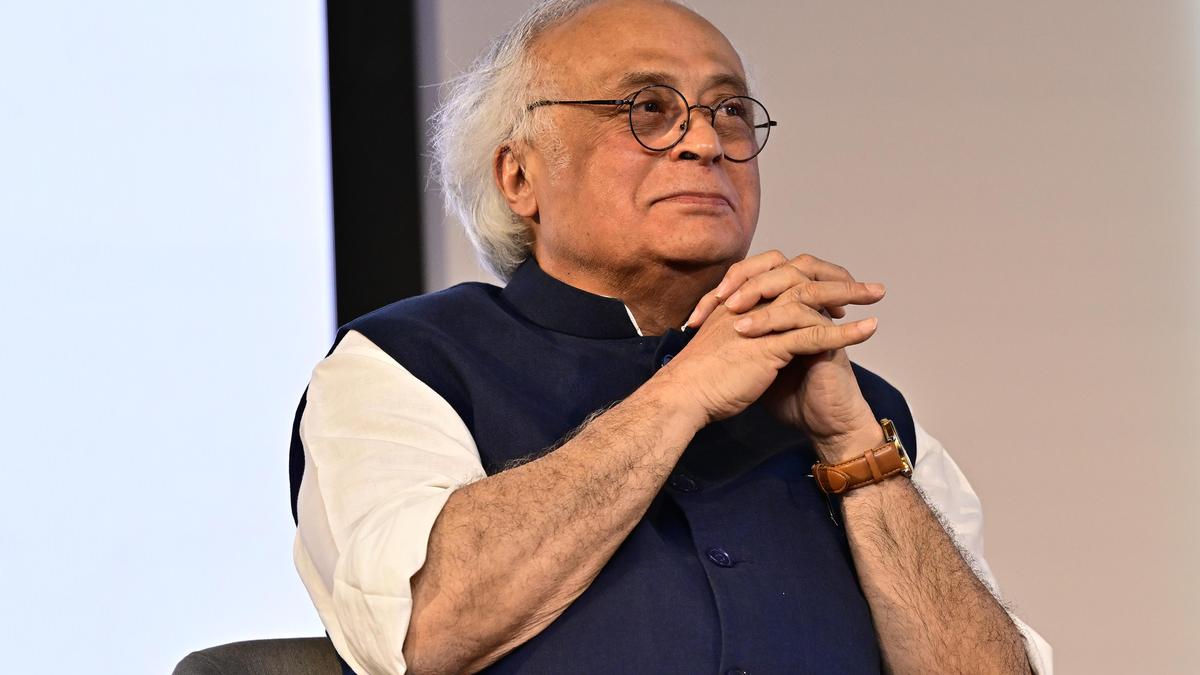
Over the last 12 years of the Modi government, inflation has disrupted the budgets of ordinary families. Government data itself now reveals that retail inflation hit a 17-month high of 4.38% in June, said Jairam Ramesh
Political Friction Over Economic Stability
The Indian political landscape has once again become a battleground over economic indicators, specifically the rising cost of living. The Congress party, led in this instance by senior leader Jairam Ramesh, has launched a pointed critique against Prime Minister Narendra Modi's administration, questioning the government's silence on the 'pain' experienced by the common citizen. By highlighting a retail inflation peak of 4.38% in June—a 17-month high—the opposition is attempting to shift the national discourse toward the immediate financial struggles of the populace, contrasting the government's macroeconomic claims with the microeconomic reality of household budgets.
The Significance of the 4.38% Inflation Figure
To understand the gravity of the Congress party's claim, one must analyze the nature of retail inflation, often measured by the Consumer Price Index (CPI). A jump to 4.38% is not merely a statistical fluctuation but a reflection of increased costs for essential commodities, including food and fuel. For the average Indian household, where a significant portion of income is spent on basic sustenance, even a marginal increase in inflation can lead to a substantial reduction in purchasing power. The opposition's focus on this specific data point serves to validate their narrative that the government's economic management is failing the most vulnerable sections of society.
Historical Context and the 12-Year Narrative
Jairam Ramesh's mention of the 'last 12 years' is a strategic political move to frame inflation not as a temporary spike, but as a systemic failure of the Modi government's long-term economic trajectory. By extending the timeline, the Congress party is attempting to build a case of cumulative hardship, suggesting that the disruption of family budgets has become a chronic condition rather than an acute episode. This approach seeks to erode the government's image as a provider of 'minimum government, maximum governance' by arguing that the state has failed in its primary duty to maintain price stability.
Broader Economic Implications and External Pressures
While the political clash focuses on government failure, the broader economic context involves a complex interplay of global and domestic factors. Inflation in India is often susceptible to volatile global crude oil prices and disruptions in the agricultural supply chain due to erratic monsoon patterns. However, the political argument remains that the government should have more robust buffers and strategic reserves to insulate the common man from these shocks. The 'pain' referenced by the opposition is essentially the gap between stagnant wage growth and the rising cost of essential goods, a gap that widens during periods of high retail inflation.
Future Political Trends and Policy Expectations
Looking forward, this narrative is likely to intensify as the opposition seeks to mobilize the middle and lower-income demographics. We can expect the Congress party to continue utilizing official government data to challenge the administration's claims of economic prosperity. In response, the government may be pressured to introduce targeted subsidies or implement stricter price controls on essential commodities to dampen the political fallout. The ability of the administration to communicate a clear plan for inflation control will be critical in neutralizing this specific line of attack from the opposition.
Conclusion
The clash between the Congress party and the Modi government over the 4.38% inflation rate underscores a fundamental tension in Indian politics: the divide between macroeconomic growth figures and the lived experience of the ordinary citizen. By anchoring their critique in official data, the opposition has created a potent narrative of economic distress that challenges the government's record on financial stability and social welfare.
Verification Required?