Free school meal pupils falling further behind their peers, report warns
Source Entity
BBC News
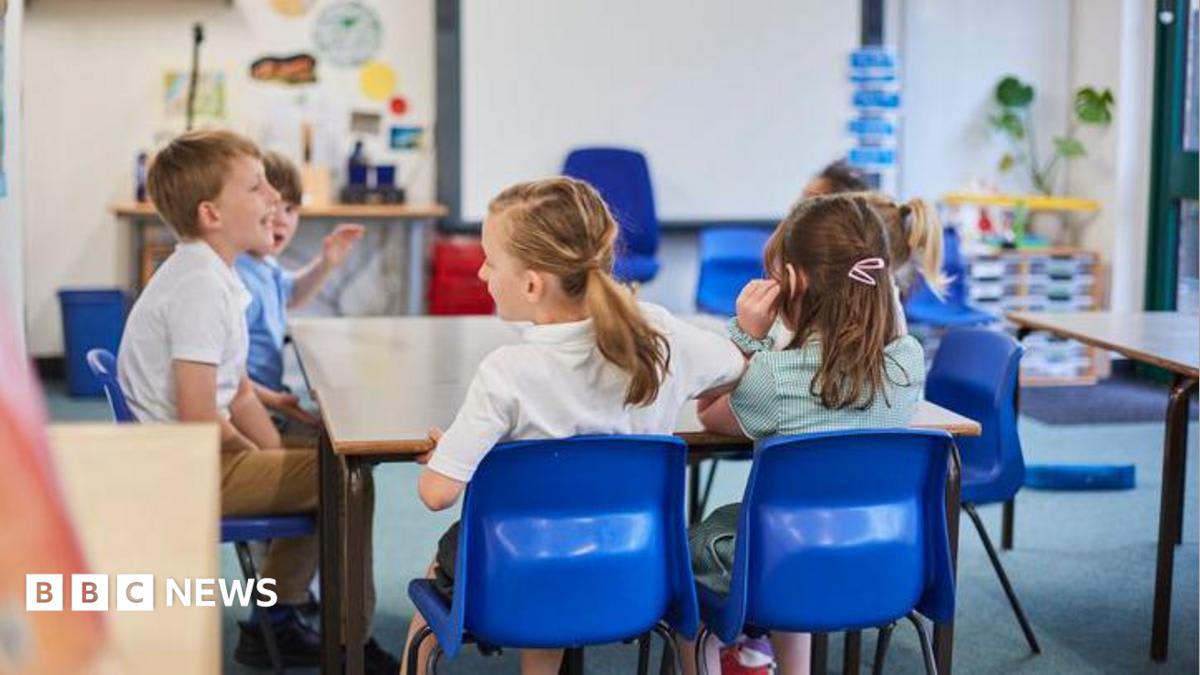
The Education Policy Institute says the new prime minister should target the issue with "laser-like focus".
The Widening Divide: Analyzing the Educational Attainment Gap
Recent findings from the Education Policy Institute (EPI) have highlighted a troubling trend in the educational landscape: pupils eligible for free school meals (FSM) are falling further behind their peers. This report serves as a critical alarm, suggesting that the socio-economic divide in academic achievement is not merely persisting but accelerating. The EPI's call for the new prime minister to address this issue with "laser-like focus" underscores the urgency of the situation, signaling that systemic failures are preventing the most vulnerable students from accessing the same opportunities as their wealthier counterparts.
The Socio-Economic Indicator of Free School Meals
To understand the gravity of the EPI report, it is essential to recognize that eligibility for free school meals is more than just a nutritional program; it is a primary proxy for child poverty. When a report states that FSM pupils are falling behind, it is effectively stating that poverty is becoming a more significant barrier to academic success. This gap often manifests in lower test scores, reduced literacy and numeracy rates, and a higher likelihood of early school departure. The widening of this gap suggests that existing interventions have been insufficient to counteract the pressures of economic hardship, which often include unstable housing, food insecurity, and a lack of educational resources at home.
Political Implications for the New Administration
The timing of this report is pivotal, as it arrives during a transition of leadership. By urging the new prime minister to adopt a "laser-like focus," the EPI is framing the attainment gap as a primary litmus test for the new government's commitment to social mobility. For a new administration, the challenge lies in moving beyond rhetoric to implement concrete, funded policies. The demand for a targeted approach suggests that broad, one-size-fits-all educational reforms are no longer sufficient. Instead, the government must consider hyper-targeted funding, increased support for teachers in deprived areas, and integrated social services that address the needs of the child both inside and outside the classroom.
Systemic Barriers and the "Lost Generation" Risk
The widening gap is likely exacerbated by a confluence of historical and recent stressors. The lingering effects of the COVID-19 pandemic, which disproportionately affected students from low-income backgrounds due to the "digital divide" and lack of quiet study spaces, have created a baseline of deficiency that is now compounding. Furthermore, the cost-of-living crisis has placed additional strain on families, meaning more children are entering the classroom in a state of "toxic stress," which severely impairs cognitive function and learning capacity. Without the specific interventions requested by the EPI, there is a significant risk of creating a "lost generation" of students whose potential is stifled by their economic circumstances.
Long-Term Economic and Social Consequences
If the attainment gap continues to grow, the implications extend far beyond the classroom. Education is the primary engine of social mobility; when that engine fails for the poorest pupils, social stratification becomes entrenched. From an economic perspective, failing to educate a significant portion of the youth population leads to a less skilled workforce, lower productivity, and increased reliance on state welfare in the long term. The EPI's warning is therefore not just a matter of educational equity, but a matter of national economic stability. A society that allows its most vulnerable students to fall behind is essentially capping its own future growth and innovation.
Conclusion: The Path Toward Educational Equity
In summary, the Education Policy Institute's report is a call to action that transcends simple policy adjustment. It demands a fundamental shift in how the government views the intersection of poverty and pedagogy. To close the gap, the new prime minister must prioritize the FSM cohort through strategic investment and holistic support systems. The success of these measures will determine whether the education system acts as a ladder for social ascent or a mirror that simply reflects and reinforces existing class divisions. The "laser-like focus" requested is not just a preference, but a necessity for the restoration of educational fairness.