Maharashtra TET paper leak: Rahul Gandhi’s 3 demands to CM Fadnavis
Source Entity
TOI NEWS DESK
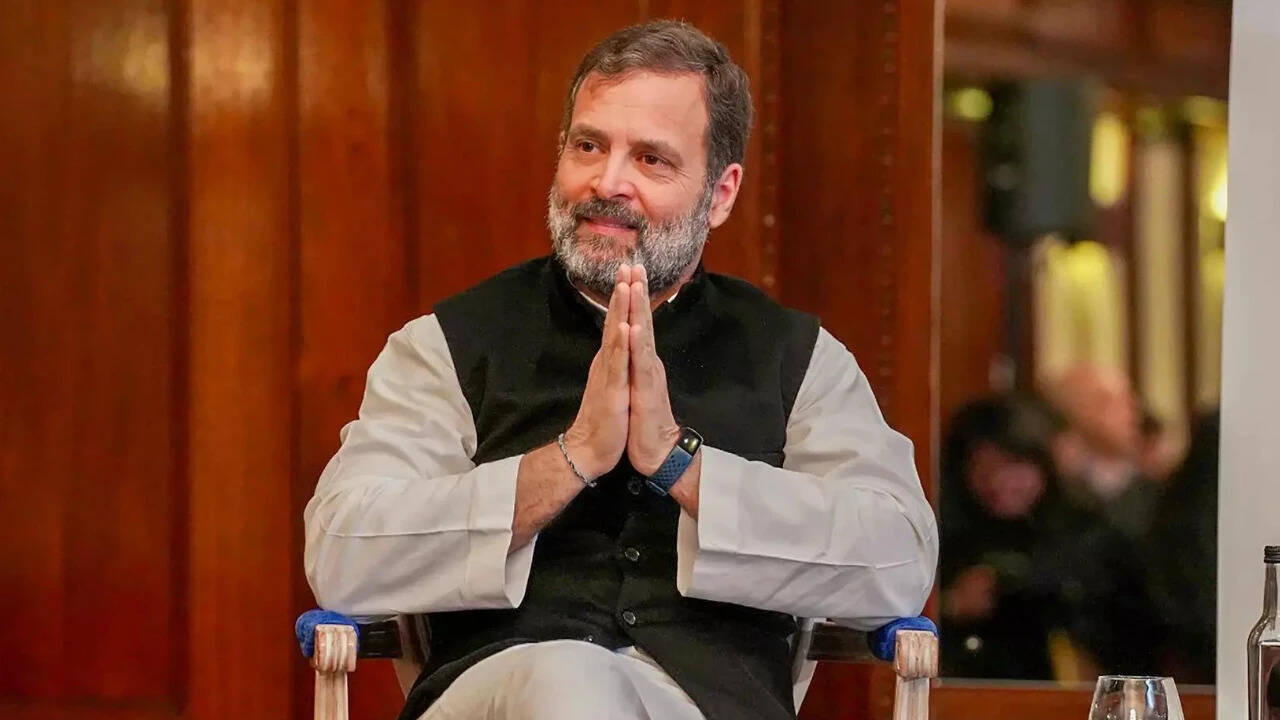
Rahul said the affected candidates have been left waiting 'without a date, without answers.'...
Political Escalation Over Maharashtra TET Paper Leak
The Maharashtra Teacher Eligibility Test (TET) has recently become a focal point of political contention and social unrest following reports of a paper leak. The intervention of Rahul Gandhi, who has presented three specific demands to Chief Minister Fadnavis, elevates this issue from a localized administrative failure to a significant political narrative. For thousands of aspiring educators, the TET is not merely a certification process but a critical gateway to professional stability and employment. The current state of limbo, where candidates are left "without a date, without answers," creates a profound crisis of confidence in the state's ability to conduct fair and transparent examinations.
Analysis of the Political Demands
By addressing CM Fadnavis directly, Rahul Gandhi is strategically shifting the discourse from a technical lapse to a failure of governance. The demand for a clear timeline and transparency is a direct response to the psychological toll on candidates who are trapped in a state of uncertainty. This maneuver highlights the perceived gap between the government's rhetoric of "efficient administration" and the reality faced by the youth. By framing the issue around the plight of the students, the opposition is positioning itself as the champion of the meritocracy, suggesting that the current administration's silence is an admission of systemic failure.
Systemic Failures and Historical Context
This incident is not an isolated event but reflects a troubling trend of examination irregularities across India. High-stakes exams are increasingly vulnerable to leaks, which undermines the very foundation of the education system. Historically, paper leaks in India have led to massive student protests, prolonged litigation in High Courts, and the eventual overhaul of testing agencies. In the context of Maharashtra, a leak in the TET is particularly damaging because it affects the quality of the teaching workforce. If the integrity of the qualifying exam is compromised, it casts a shadow of doubt over the qualifications of future educators, potentially impacting the primary education system for years to come.
The Human Cost of Administrative Silence
The phrase "without a date, without answers" encapsulates the desperation of the affected candidates. Many of these aspirants hail from economically disadvantaged backgrounds, investing years of preparation and significant financial resources into their studies. The lack of a definitive roadmap for a re-examination or a formal apology from the state government exacerbates this stress. This situation transforms a professional hurdle into a social justice issue, where the inability of the state to secure a paper results in the loss of precious time and mental well-being for thousands of young citizens.
Future Implications and Predicted Trends
Looking ahead, this event is likely to force the Maharashtra government to implement more stringent digital security protocols for the distribution of exam materials. We can expect a shift toward more centralized, encrypted testing platforms to minimize the human intervention that typically leads to leaks. Politically, the "youth vote" is highly sensitive to issues of employment and education; therefore, the government's response to these demands will serve as a litmus test for its responsiveness. If the administration fails to provide a satisfactory resolution, this issue will likely be weaponized in future electoral cycles as a symbol of governance failure.
Conclusion
In summary, the Maharashtra TET paper leak is a systemic crisis that demands immediate and transparent rectification. The intervention by Rahul Gandhi brings the issue into the national spotlight, placing immense pressure on the Fadnavis administration to act. Restoring faith in the educational infrastructure requires more than just a re-exam; it requires a comprehensive audit of the examination process and a commitment to accountability. Ensuring that the future of Maharashtra's teachers is not compromised by corruption is paramount to the state's long-term intellectual and social development.