Karnataka sanctions Rs 1,010 crore for 10,000 youth collectives in state
Source Entity
The Indian Express
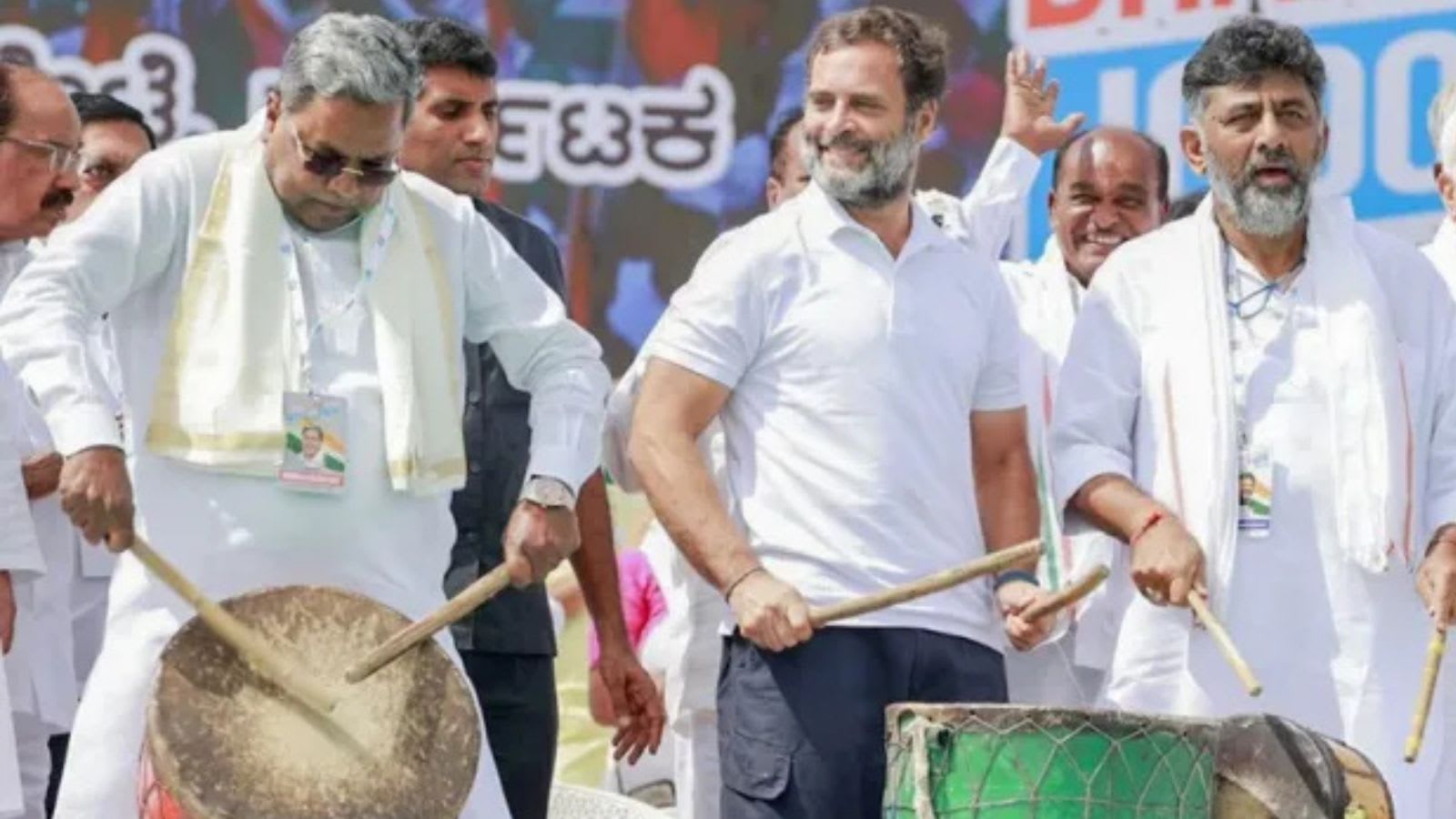
The Bharat Jodo Yuva Sanghas are named after Congress leader Rahul Gandhi’s Bharat Jodo Yatra, which passed through Karnataka between September and October 2022. (File Photo) The Karnataka government...
Analysis of Karnataka's Investment in Bharat Jodo Yuva Sanghas
In a significant move to mobilize and empower the youth population, the Karnataka government has announced a massive financial sanction of ₹1,010 crore. This funding is dedicated to the creation and support of 10,000 youth collectives, specifically titled the Bharat Jodo Yuva Sanghas. The scale of this investment suggests a strategic effort to integrate youth engagement with state-led development goals, utilizing a grassroots organizational structure to deliver resources and opportunities to the younger generation across the state.
Political Symbolism and Ideological Rooting
The naming of these collectives is not incidental; the 'Bharat Jodo Yuva Sanghas' are explicitly named after the Bharat Jodo Yatra (Unite India March) led by Congress leader Rahul Gandhi. The Yatra, which traversed Karnataka between September and October 2022, served as a high-visibility campaign centered on themes of unity, social harmony, and dialogue. By institutionalizing the spirit of the Yatra into permanent 'Sanghas' (associations), the Karnataka government is effectively transitioning a transient political event into a structured administrative framework. This allows the governing party to maintain the momentum of the Yatra's messaging while providing tangible financial benefits to the youth.
Socio-Economic Implications of Youth Collectives
From an economic perspective, the allocation of ₹1,010 crore across 10,000 collectives implies an average investment that could significantly catalyze local entrepreneurship and community leadership. By organizing youth into collectives rather than providing individual grants, the government is encouraging a cooperative model of development. This approach potentially fosters collaborative problem-solving and peer-to-peer learning, which are critical for addressing regional unemployment and underemployment. If implemented effectively, these Sanghas could serve as hubs for skill development, vocational training, and local governance participation.
Historical Context and the Yatra's Legacy
To understand the depth of this initiative, one must look back at the impact of the Bharat Jodo Yatra in 2022. The march was designed to reconnect the leadership with the common citizens, particularly in rural and marginalized areas. Karnataka was a key leg of this journey, and the emotional resonance of the march created a foundation of youth support. The current sanctioning of funds is the logical evolution of that engagement; it moves the relationship from one of 'listening' (during the march) to 'empowering' (through the Sanghas). This strategy aims to convert symbolic political support into a concrete socio-economic partnership between the state and its youth.
Administrative Challenges and Future Outlook
Despite the ambitious nature of the project, the management of 10,000 separate collectives presents a formidable administrative challenge. Ensuring the transparent distribution of ₹1,010 crore and preventing the politicization of fund allocation will be critical for the project's long-term success. Future trends suggest that this model of 'branded social welfare'—where government schemes are tied to specific ideological movements—may become more common in Indian politics. If the Bharat Jodo Yuva Sanghas succeed in creating measurable improvements in youth employment and social cohesion, it could provide a blueprint for other states to blend political branding with grassroots development.
Conclusion
Ultimately, the sanctioning of ₹1,010 crore for the Bharat Jodo Yuva Sanghas represents a sophisticated intersection of political strategy and social engineering. By anchoring a massive financial investment in the legacy of the Bharat Jodo Yatra, the Karnataka government is attempting to build a loyal, organized, and empowered youth base. While the political motivations are clear, the potential for genuine grassroots empowerment remains high, provided the implementation is transparent and focused on sustainable youth development.