Somvati Amavasya 2026: Correct vrat date, tithi timings, significance, important rituals and all you need to know
Source Entity
Latest News: Today's Latest News Headlines from India & World | Hindustan Times | Hindustan Times
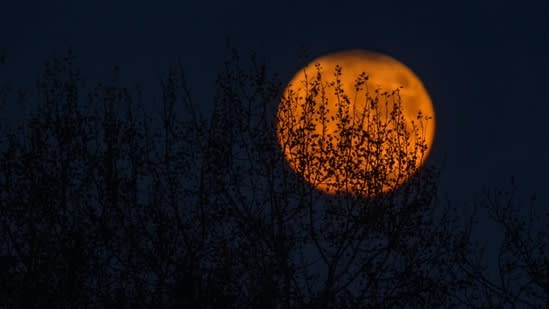
Somvati Amavasya 2026: As Amavasya spans two days this year, devotees are unsure when to fast. Here's the correct date, timings, significance and rituals.
Understanding Somvati Amavasya 2026: Spiritual Significance and Ritualistic Precision
Somvati Amavasya is one of the most auspicious occurrences in the Hindu lunar calendar, occurring when the Amavasya (New Moon) coincides with a Monday (Somvar). The upcoming observance in 2026 has generated significant interest and a degree of confusion among devotees, as the provided reports indicate that the tithi spans two days. This overlap often creates a dilemma for practitioners regarding the precise window for fasting (vrat) and performing puja to ensure the spiritual benefits are fully realized.
The Divine Confluence of Monday and the New Moon
To understand the weight of this event, one must look at the astrological and spiritual alignment. Monday is traditionally dedicated to Lord Shiva, the destroyer and regenerator within the Trimurti. Amavasya, while often viewed as a day of ancestral remembrance (Pitru Tarpan), is also seen as a powerful time for internal reflection and spiritual cleansing. When these two align, the energy is believed to be exceptionally potent for those seeking mental peace, the resolution of ancestral karmas, and the blessings of Lord Shiva. For devotees, this is not merely a date on a calendar but a window for profound spiritual realignment.
Navigating the Tithi Complexity
One of the primary challenges highlighted in the 2026 context is the 'tithi' spanning two days. In the Hindu Panchang, a tithi is a lunar day that does not necessarily align with the 24-hour solar day. Because the tithi can begin and end at any point in the day, it frequently overlaps two Gregorian dates. This leads to the specific confusion mentioned in the reports: whether the fast should be observed on the day the tithi begins or the day it concludes. Correct timing is critical because the 'vrat' is intended to be performed during the period of maximum lunar influence, making the guidance on 'correct vrat date' essential for the community.
Ritualistic Observances and Traditional Practices
For those observing Somvati Amavasya 2026, the rituals are deeply rooted in devotion and austerity. The day typically begins with a ritual bath, often in a holy river or at home, followed by the installation of a Shiva Lingam. Devotees offer water, raw milk, honey, and Bel leaves (Bilva Patra) to Lord Shiva, accompanied by the chanting of the 'Om Namah Shivaya' mantra. The fast itself varies from a complete water-fast to a 'Phalahar' (fruit-based) diet, symbolizing the detachment from material desires and the focusing of the mind on the divine.
Broader Implications in Modern Spiritual Life
The need for such detailed guides in 2026 reflects a broader trend in how modern society engages with ancient traditions. As traditional knowledge passed down through family elders is supplemented or replaced by digital resources, the role of the 'digital Panchang' has become paramount. The demand for clarity on 'tithi timings' shows a synthesis of ancient faith and modern precision, where devotees seek to maintain the integrity of ritualistic timing despite the complexities of modern schedules and the nuances of lunar calculations.
Conclusion: The Path to Spiritual Fulfillment
In summary, Somvati Amavasya 2026 serves as a critical juncture for devotees to reconnect with their spiritual roots. While the technicality of the tithi spanning two days may cause initial uncertainty, the adherence to correct timings and rituals ensures that the fast is performed with the intended devotion. By aligning their physical actions with the celestial movements of the moon and the energy of Monday, practitioners aim to achieve a state of tranquility and divine grace, reinforcing the timeless bond between human faith and the cosmic cycle.
Verification Required?