Trump's Hormuz toll plans bring oil supply risks back in spotlight
Source Entity
US Top News and Analysis
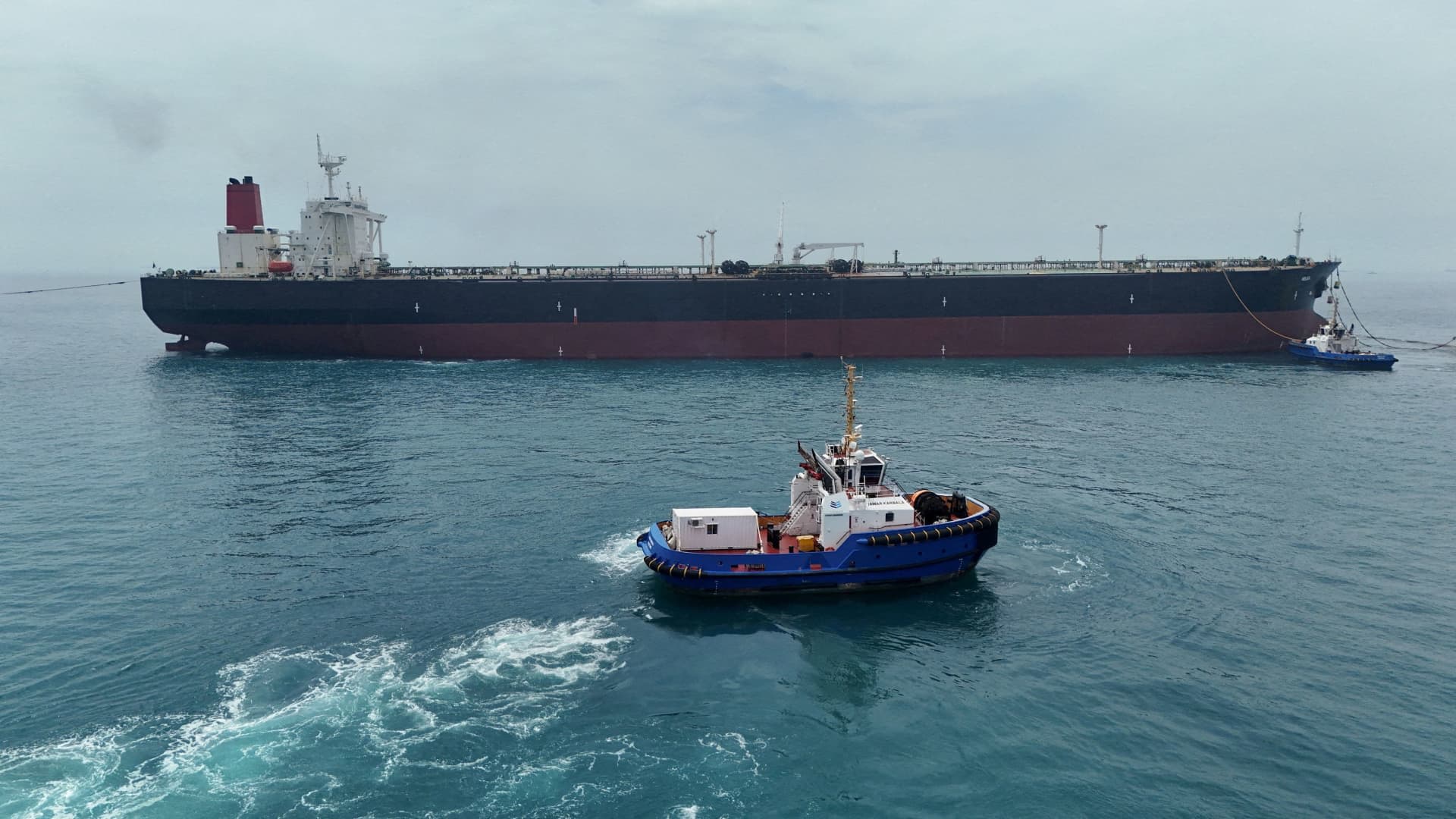
President Donald Trump's plan to impose a 20% fee on cargo passing through the Strait of Hormuz is threatening the global oil surplus.
Analysis of Proposed Hormuz Toll and Global Energy Implications
The announcement of President Donald Trump's plan to impose a 20% fee on cargo passing through the Strait of Hormuz marks a significant escalation in the intersection of US foreign policy and global energy economics. The Strait of Hormuz is arguably the most critical maritime chokepoint in the world, serving as the primary artery for the export of crude oil from the Persian Gulf to the rest of the globe. By proposing a direct financial levy on transit, the administration is introducing a new variable into an already volatile energy market, potentially transforming a strategic waterway into a source of direct revenue or geopolitical leverage.
Economic Shockwaves and the Oil Surplus
One of the most immediate concerns highlighted by this proposal is the threat to the global oil surplus. While the physical volume of oil produced may remain constant, a 20% toll on cargo represents a massive increase in transportation costs. In the oil industry, where margins are often tight and pricing is highly sensitive to logistics, such a fee would likely be passed directly to the consumer. This creates a paradoxical situation: while a physical surplus of oil may exist, the 'economic cost' of accessing that surplus increases, effectively neutralizing the price-stabilizing effects of the surplus and potentially driving up global benchmarks like Brent and WTI.
Geopolitical Friction and Maritime Sovereignty
Beyond the economics, the proposal raises profound questions regarding maritime law and international sovereignty. The Strait of Hormuz is bordered by Iran and Oman, and any attempt by the United States to impose a toll would likely be viewed as an overreach of authority in international waters. Historically, the Strait has been a flashpoint for conflict, from the 'Tanker War' of the 1980s to more recent tensions involving the IRGC. Implementing a fee could provoke a retaliatory response from regional powers, potentially leading to naval confrontations or the closure of the strait, which would move the crisis from a financial burden to a total supply collapse.
Historical Context of Energy Chokepoints
To understand the gravity of this plan, one must look at the history of energy chokepoints. Whenever the flow through Hormuz is threatened—whether by war, sanctions, or piracy—global markets react with extreme volatility. The world has traditionally relied on the 'freedom of navigation' principle to ensure energy security. By shifting the paradigm from 'protection of transit' to 'taxation of transit,' the US risks alienating key allies in the Gulf Cooperation Council (GCC) who rely on the seamless flow of oil to sustain their national budgets and global trade relationships.
Future Trends and Market Adaptation
Looking forward, such a policy would likely accelerate the global shift toward energy diversification and the development of alternative transit routes. We may see an increased investment in pipelines that bypass the Strait, such as the East-West Pipeline in Saudi Arabia, or a faster transition toward renewable energy sources to reduce dependence on Persian Gulf crude. Furthermore, shipping companies might seek to renegotiate contracts or find loopholes to avoid the 20% fee, leading to a complex legal battle over the definition of 'cargo' and 'transit' within the region.
Conclusion
In summary, the proposal to toll the Strait of Hormuz is a high-stakes gamble that leverages the world's dependence on oil. While it may be framed as a strategic or financial move, the ripple effects—ranging from increased pump prices to heightened military tensions—could outweigh the perceived benefits. The stability of the global oil surplus is now precariously balanced against a policy that treats one of the world's most vital trade routes as a revenue stream, placing the global economy at the mercy of geopolitical maneuvering.