Thai police probe safety lapses after deadly Bangkok bar fire
Source Entity
BBC News
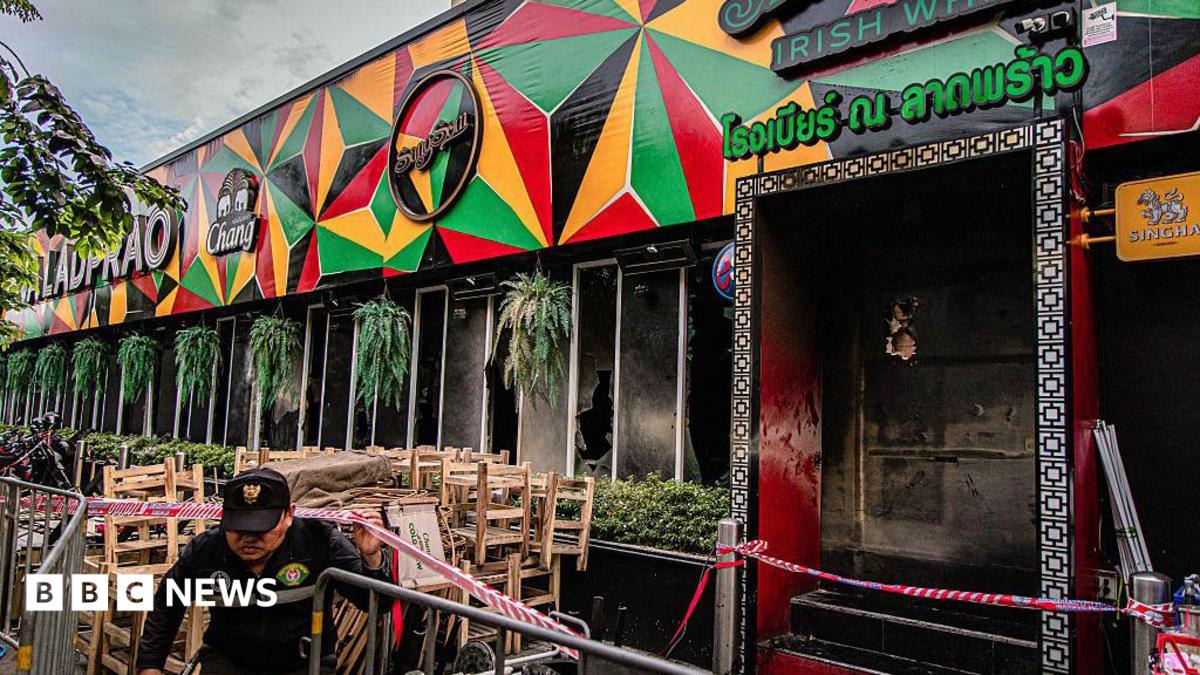
Survivors and first reporters reported doors being locked and the lack of signage marking emergency exits.
Investigation Launched into Fatal Bangkok Bar Fire
A devastating fire at a Bangkok bar has left authorities grappling with questions of negligence and systemic safety failures. Following the tragedy, Thai police have launched a comprehensive probe to determine how the blaze started and, more critically, why the evacuation process failed so catastrophically. The incident has cast a spotlight on the precarious nature of safety standards within the city's vibrant but often loosely regulated nightlife sector.
The Critical Failure of Emergency Infrastructure
According to survivors and first responders, the death toll was likely exacerbated by two primary factors: locked emergency doors and a complete absence of visible signage marking exit routes. In high-occupancy environments like bars and nightclubs, the first few minutes of a fire are critical. When patrons are faced with smoke and panic, the presence of intuitively marked exits is the difference between survival and tragedy. The report of locked doors suggests a severe breach of basic fire safety protocols, potentially indicating that exits were locked to prevent unauthorized entry or theft, prioritizing security over human life.
Systemic Regulatory Lapses in Urban Bangkok
This event points to a broader issue regarding the enforcement of building codes in rapidly expanding urban centers. While Thailand has established fire safety laws, the gap between legislation and implementation often remains wide. The police probe will likely examine whether the establishment had a valid fire safety permit and if previous inspections had flagged these specific hazards. Historically, urban centers in Southeast Asia have struggled with "legacy buildings"—older structures repurposed into commercial venues without necessary retrofitting for modern safety standards, creating a dangerous environment for the public.
Legal Implications and Criminal Negligence
As the investigation progresses, the focus will likely shift toward criminal negligence. If it is proven that the owners intentionally locked emergency exits or ignored mandatory signage requirements, they could face severe legal penalties under Thai law. This case serves as a stark reminder to business owners that safety compliance is not merely a bureaucratic formality but a legal obligation. The police probe is expected to scrutinize the chain of command, from the property owners to the safety officers responsible for the venue's upkeep.
Broader Impact on the Nightlife and Tourism Sector
Bangkok is a global hub for tourism, and its nightlife is a significant driver of the local economy. Incidents of this nature can damage the international perception of safety in the city. To mitigate this, there is likely to be a push for a city-wide audit of similar entertainment venues. The industry may face a period of increased scrutiny, with authorities implementing more frequent, unannounced inspections to ensure that emergency exits are not only present but functional and unobstructed.
Future Trends in Safety Enforcement
Moving forward, this tragedy is likely to catalyze a shift toward more digitized and transparent safety auditing. We may see the introduction of mandatory, publicly accessible safety certifications for high-traffic venues. Furthermore, there will likely be an increased emphasis on staff training, ensuring that employees are not just aware of the exits but are trained in crowd management during emergencies to prevent the stampedes that often occur when exits are blocked.
Conclusion
The deadly bar fire in Bangkok is a tragic illustration of how minor lapses in safety—such as a locked door or a missing sign—can lead to catastrophic loss of life. As the Thai police continue their investigation, the outcome will be pivotal in determining whether this was an isolated incident of negligence or a symptom of a wider regulatory failure. The path forward requires a rigorous commitment to safety over profit to ensure such a tragedy is not repeated.