The political storm in Punjab surrounding ‘Satluj’ movie | Explained
Source Entity
India Latest News: Top National Headlines Today & Breaking News | The Hindu
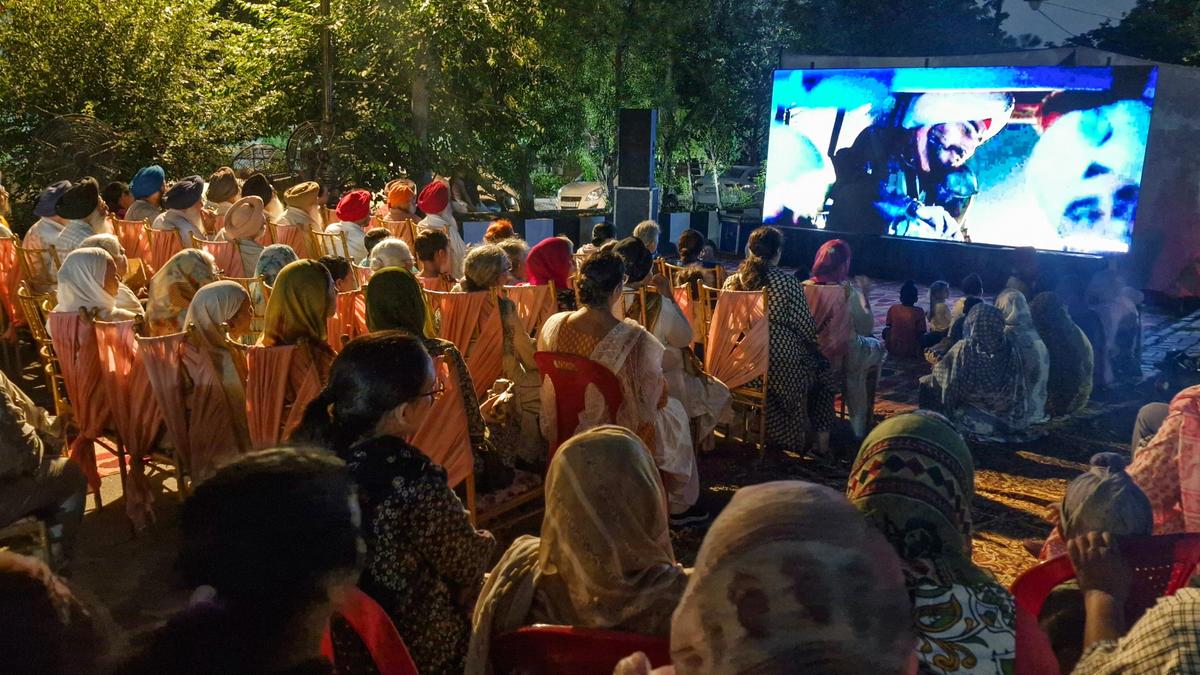
As the controversy surrounding the film and its removal continued unabated, political organisations, youth outfits and religious bodies have been organising public screenings of the film in villages and towns of Punjab
The Intersection of Cinema and State: The 'Satluj' Controversy
The state of Punjab is currently witnessing a volatile intersection of art, religion, and governance following the removal of the film ‘Satluj’. This event has evolved from a simple cinematic dispute into a full-blown political storm, highlighting the deep-seated sensitivities regarding cultural representation and state censorship in the region. The removal of the film appears to have acted as a catalyst, transforming a piece of entertainment into a symbol of perceived suppression, thereby galvanizing various social strata against the decision.
Grassroots Resistance and Public Screenings
In a striking display of defiance, the vacuum left by the film's removal from official theaters has been filled by grassroots mobilization. Political organizations, youth outfits, and religious bodies have taken the unconventional step of organizing public screenings in rural villages and urban towns. This shift from traditional cinema halls to open-air or community-led screenings is a strategic move to bypass official censorship and bring the content directly to the masses. By decentralizing the viewing experience, these groups are not only ensuring the film's visibility but are also turning the act of watching the movie into a political statement of resistance.
The Role of Youth and Religious Bodies
The involvement of youth outfits and religious bodies is particularly significant in the context of Punjab's socio-political landscape. Youth organizations often serve as the vanguard for social change and protest in the state, while religious bodies hold immense sway over the moral and cultural convictions of the populace. When these two forces align, as seen in the case of ‘Satluj’, the movement gains both the energy of the youth and the legitimacy of religious authority. This coalition suggests that the controversy surrounding the film is not merely about the plot, but about identity, honor, and the right to self-expression within the community.
Historical Context of Censorship in Punjab
Historically, Punjab has been a region where the line between political activism and cultural expression is often blurred. From the era of the Green Revolution to various socio-political upheavals, the state has a long tradition of using art—whether through poetry, music, or film—as a tool for critique and mobilization. The current storm over ‘Satluj’ mirrors past instances where the state's attempt to curb content perceived as inflammatory or subversive only served to increase its popularity and perceived truthfulness. This historical pattern indicates that censorship in Punjab often produces a 'Streisand Effect,' where the attempt to hide information makes it far more prominent.
Broader Political Implications
From a political standpoint, this controversy places the ruling administration in a precarious position. On one hand, the state may argue that the removal of the film was necessary to maintain law and order or prevent communal disharmony. On the other hand, the organized nature of the public screenings suggests a coordinated effort by opposition elements to paint the government as anti-people or anti-culture. The ability of various disparate groups—political, religious, and youth-led—to unite under a single cause indicates a high level of social coordination that could potentially pivot toward other political grievances.
Future Trends and Conclusions
Looking forward, the ‘Satluj’ incident is likely to set a precedent for how controversial content is consumed and contested in the digital and post-digital age. As traditional censorship becomes less effective due to the ease of distributing digital copies, the battleground will shift from 'whether' a film can be seen to 'how' it is framed by the organizers of public screenings. The ongoing tension underscores a fundamental struggle between the state's desire for social control and the public's demand for unfiltered cultural narratives. Ultimately, the resolution of this storm will depend on whether the administration chooses a path of further restriction or engages in a dialogue regarding the film's content and the reasons for its removal.
Verification Required?