Chris Mason: Investigation into Widdecombe's death rekindles debate over how to protect politicians
Source Entity
BBC News
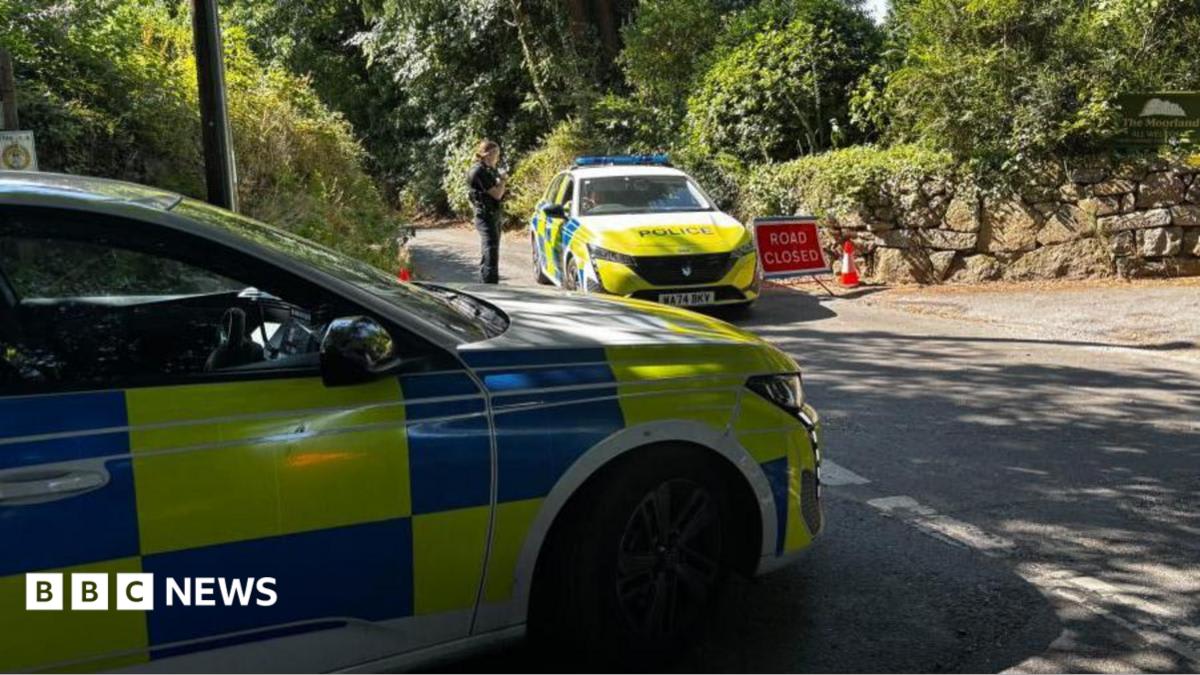
Many MPs blame social media for normalising violent language and abuse, the BBC's political editor writes.
The Intersection of Political Service and Personal Safety
The recent investigation into the death of Widdecombe has served as a grim catalyst for a broader, more urgent conversation regarding the safety and security of political figures. As highlighted by BBC Political Editor Chris Mason, this event is not being viewed in isolation but rather as a symptom of a deteriorating environment for public servants. The tragedy has forced a reckoning within the halls of power, shifting the focus from the specifics of a single case to the systemic vulnerabilities that leave politicians exposed to threats and violence.
The Role of Social Media in Normalizing Abuse
A central pillar of the current debate among MPs is the role of digital platforms in eroding the boundary between political disagreement and personal harassment. Many legislators argue that social media has fundamentally altered the nature of political discourse by creating an echo chamber where violent language is not only tolerated but often incentivized. This 'normalization' of abuse creates a dangerous pipeline; when aggressive rhetoric becomes the standard for political engagement online, it lowers the psychological barrier for individuals to transition from digital harassment to physical threats or actions.
The Psychological and Professional Toll on Representatives
Beyond the immediate physical risks, the ongoing climate of hostility has profound implications for the democratic process. When politicians operate under a constant cloud of fear and abuse, it can lead to a 'chilling effect,' where individuals may self-censor their views or avoid taking necessary but unpopular stances to escape targeted harassment. The investigation into Widdecombe's death brings to light the reality that the mental toll of enduring constant vitriol can be as debilitating as the threat of physical harm, potentially deterring qualified individuals from entering public service altogether.
Evaluating Current Protection Frameworks
This event rekindles the debate over whether existing security protocols are sufficient for the modern era. Historically, protection for politicians was designed to thwart organized political violence or high-level threats. However, the modern threat landscape is characterized by 'stochastic terrorism'—where demonizing rhetoric inspires unstable individuals to act unpredictably. The consensus among many MPs is that current security measures are reactive rather than proactive, failing to address the root cause of the volatility fueled by online platforms.
Future Trends in Political Security and Regulation
Looking forward, it is likely that this investigation will push governments toward stricter regulations of social media companies, demanding more aggressive moderation of violent language directed at public officials. We may see a shift toward specialized security details for a wider range of representatives and the implementation of comprehensive support systems to handle the psychological impact of political abuse. The goal will be to decouple the ability to criticize policy from the tendency to dehumanize the policymaker.
Summary
The investigation into Widdecombe's death has transcended a simple criminal or forensic inquiry to become a focal point for a national debate on the sustainability of political life in the digital age. By linking the tragedy to the normalization of violent language on social media, MPs are calling for a systemic overhaul of how politicians are protected and how public discourse is regulated to ensure that democratic participation does not come at the cost of personal safety.