Australian police reveal unseen photos 25 years after British backpacker murder
Source Entity
BBC News
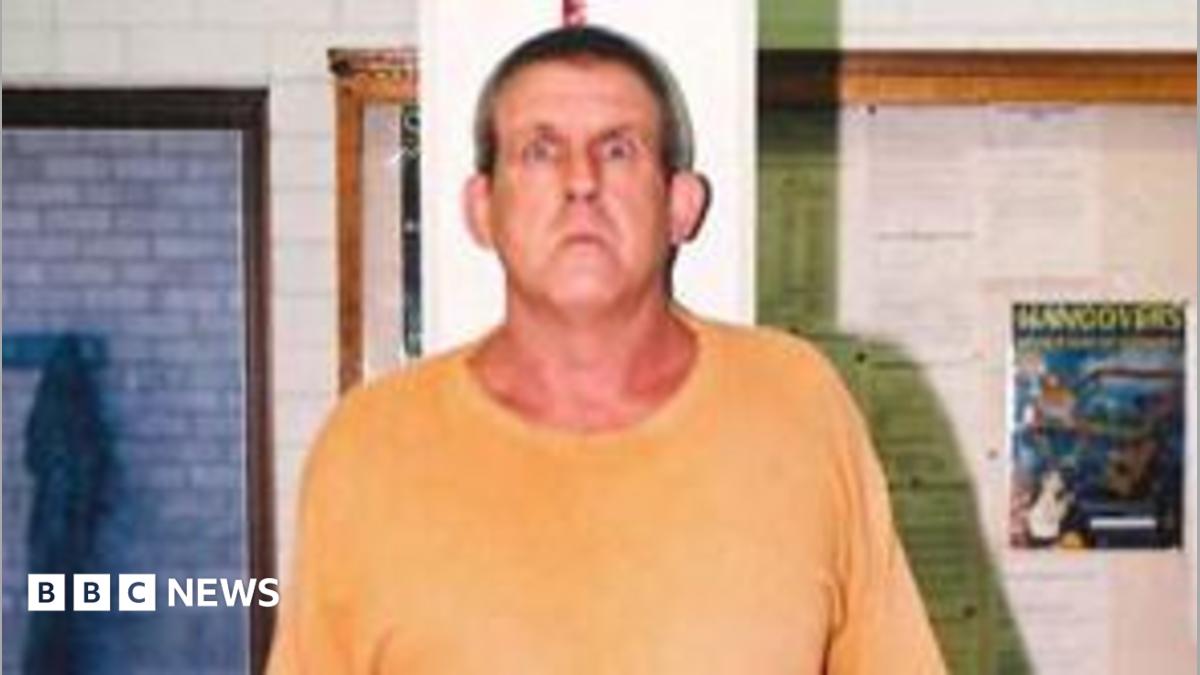
Police hope the images could jog memories that will help them find the body of Peter Falconio.
The Search for Truth: New Evidence in the Peter Falconio Case
The disappearance and murder of Peter Falconio remains one of the most haunting and high-profile enigmas in Australian criminal history. After a quarter-century of searching, authorities have taken the strategic step of releasing previously unseen photographs to the public. This move is not merely a procedural update but a calculated attempt to break a decades-long silence, leveraging the power of visual memory to potentially uncover the location of Falconio's remains, which have eluded investigators since the early 2000s.
The Strategy of Visual Memory Triggers
The decision to release these images 25 years later is rooted in the psychological understanding of "memory jogging." In complex cold cases, witnesses often hold fragments of information that they may not realize are significant at the time. By presenting new visual data—such as photos of the victim's belongings, his vehicle, or the specific environment surrounding the crime—police aim to trigger latent memories in individuals who may have been present in the area or overheard conversations during the period of the disappearance. This tactical release suggests that investigators believe there is still a crucial "missing piece" of the puzzle that can only be provided by a human source who may have been hesitant to come forward previously.
The Environmental Challenge of the Australian Outback
Finding a body in the vast, unforgiving terrain of the Northern Territory is a monumental task. The geography of the region, characterized by dense scrub, extreme heat, and volatile weather patterns, often accelerates decomposition or hides remains beneath layers of sediment and opportunistic vegetation. The search for Peter Falconio has been hampered by the sheer scale of the landscape, making the discovery of a precise location nearly impossible without a specific, reliable tip-off. These photos are intended to narrow that search area by prompting someone to recall a specific landmark, a discarded item, or suspicious activity in a particular sector of the wilderness.
The Human Cost and the Quest for Closure
Beyond the legal necessity of recovering a body, there is the profound emotional toll on the Falconio family. For 25 years, the absence of physical remains has prevented a full sense of closure, leaving a psychological void that no court verdict can entirely fill. The recovery of the body is essential not only for the family's peace but also for the forensic integrity of the case. Physical evidence from the recovery site could potentially provide new leads, corroborate existing testimonies, or provide definitive forensic proof that could influence the legal standing of the case.
Implications for Cold Case Investigations
This development highlights a broader trend in modern policing where "cold" cases are periodically reopened using new strategies. The persistence of the Australian police reflects a commitment to the principle that no crime is too old to be solved. It serves as a stark reminder to perpetrators that the passage of time does not equate to immunity. As societal norms change and the conscience of those involved may weigh on them over the decades, the release of new evidence often acts as a catalyst for informants to finally speak out.
Conclusion: A Final Hope for Justice
The release of these unseen photographs represents a final, determined push for the truth. While 25 years is a significant amount of time, the intersection of public cooperation and police determination remains the most viable path to locating Peter Falconio. Whether these images lead to an immediate breakthrough or a gradual trickle of information, the act of bringing the case back into the public eye ensures that the victim is not forgotten and that the pursuit of justice remains an active priority for the state.