Punawale tragedy renews concerns over PMPML’s accident record
Source Entity
Latest News: Today's Latest News Headlines from India & World | Hindustan Times | Hindustan Times
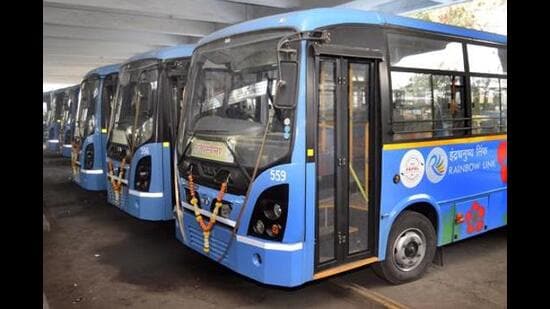
In 2025-26, the total number of accidents were 43, including 22 fatal accidents that claimed 25 lives
The Punawale Tragedy: A Wake-Up Call for PMPML Safety
The recent tragedy in Punawale has cast a harsh spotlight on the operational safety of the Pune Mahanagar Parivahan Mahamandal Ltd (PMPML). This incident is not an isolated event but rather a symptom of a deeper, systemic failure within the public transport framework of Pune. When a public utility responsible for the daily commute of millions fails to ensure basic safety, it transforms from a service into a liability. The emotional toll on the victims' families is compounded by the realization that such disasters are often preventable through rigorous oversight.
Analyzing the Alarming Statistics
The data for the 2025-26 period reveals a staggering lack of safety oversight. Out of 43 total accidents, 22 were classified as fatal, resulting in the loss of 25 lives. This indicates a fatality rate of over 50% per accident, which is an unacceptable metric for any urban transport system. Such a high ratio of fatal accidents to total incidents suggests that the crashes are not merely minor collisions but high-impact events, likely caused by excessive speeding, mechanical brake failures, or severe driver negligence.
Systemic Failures and Infrastructure
The Punawale area, characterized by rapid residential growth, often struggles with infrastructure that cannot keep pace with increasing traffic volume. When these road conditions are coupled with PMPML's aging fleet or poorly maintained vehicles, the risk of catastrophe increases exponentially. The tragedy underscores a critical need for rigorous vehicle fitness certifications and a complete overhaul of the maintenance protocols. If buses are being deployed without stringent safety checks, the PMPML administration is effectively gambling with passenger lives.
The Human Element: Driver Training and Fatigue
Beyond mechanical failure, the human element cannot be ignored. The high number of fatalities points toward a potential crisis in driver training and mental health. Overworked drivers, facing immense pressure to meet tight schedules in Pune's congested traffic, are prone to fatigue and lapses in judgment. To prevent a recurrence of the Punawale tragedy, there must be a shift toward driver-centric safety policies, including mandatory rest periods and recurring safety training modules that emphasize defensive driving.
Broader Implications for Urban Transit
This crisis reflects a broader trend in Indian urban centers where the push for expansion often outweighs the commitment to safety. The PMPML case serves as a cautionary tale for other municipal transport corporations across the country. If the goal is to encourage citizens to shift from private vehicles to public transport to reduce pollution and congestion, the public must first feel safe. The erosion of trust caused by 25 deaths in a single cycle could lead to a decline in ridership, further straining the financial viability of the service.
Conclusion and the Path Forward
The Punawale tragedy must be the catalyst for an immediate and transparent safety audit of the entire PMPML network. Moving forward, the integration of advanced telematics—such as speed governors and real-time driver monitoring systems—is no longer optional but essential. Only by addressing the root causes of these 43 accidents can the administration ensure that public transport becomes a safe harbor for commuters rather than a source of tragedy.
Verification Required?