China exports in June jump at fastest pace since 2021 as AI boom, tariff rush lift trade
Source Entity
US Top News and Analysis
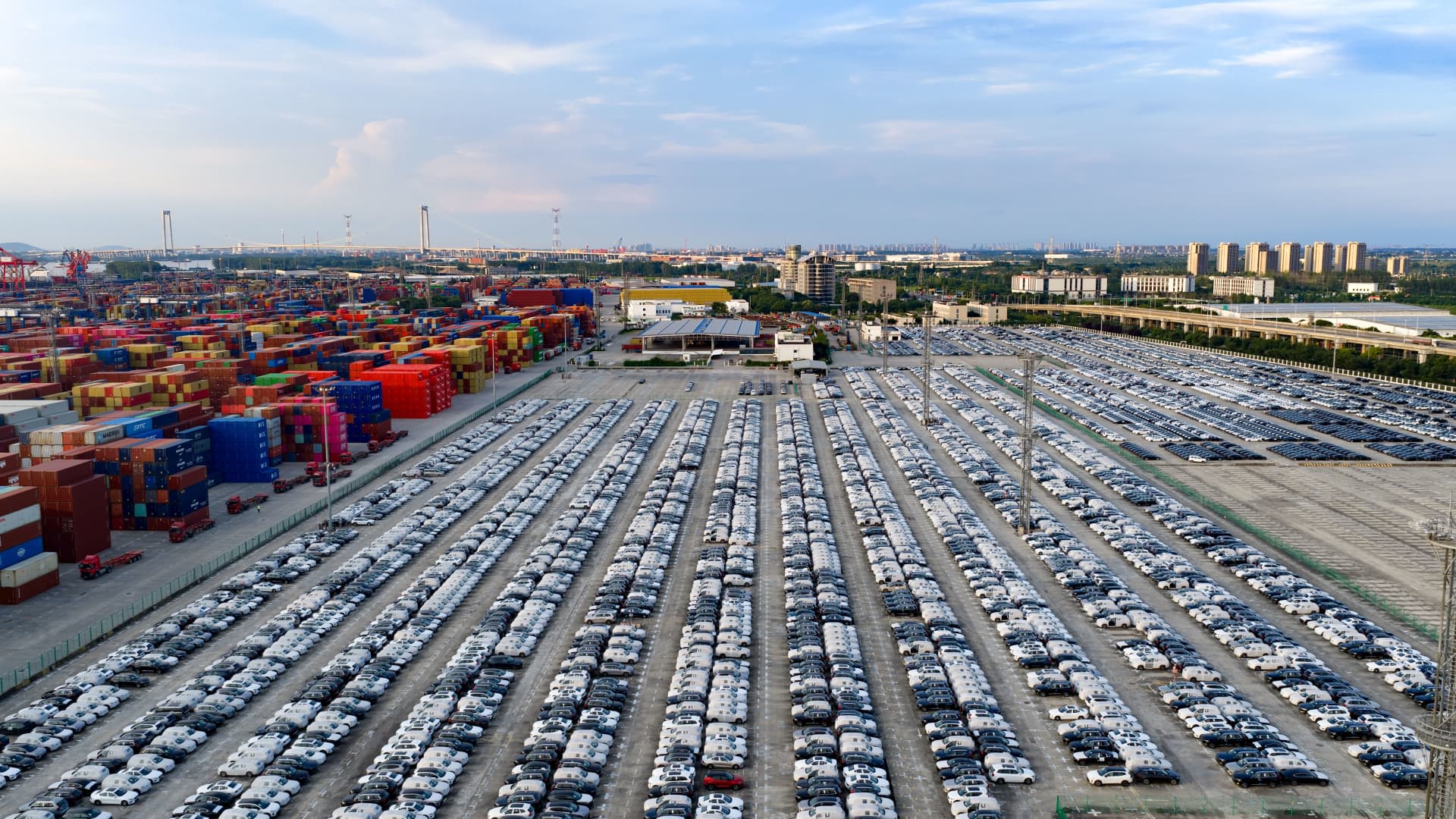
China's exports to the U.S. jumped around 14% last month while imports grew 26%, according to CNBC calculation of the official data.
Analysis of China's June Trade Surge: The Intersection of AI and Geopolitics
China's trade landscape witnessed a significant inflection point in June, with exports accelerating at their most rapid pace since 2021. This surge is not merely a recovery of volume but a reflection of shifting global demand and strategic corporate maneuvering. The data indicates a complex interplay between the burgeoning artificial intelligence (AI) sector and the preemptive reactions of businesses to an increasingly volatile tariff environment. By analyzing the specific growth metrics—particularly the 14% jump in exports to the U.S. and a 26% rise in imports—we can discern the underlying drivers of this economic spike.
The AI Catalyst and Hardware Demand
One of the primary engines behind this growth is the global AI boom. The rapid deployment of generative AI and large language models has created an insatiable demand for specialized hardware, including GPUs, high-performance semiconductors, and the complex circuitry required for data centers. As a central hub in the global electronics supply chain, China remains a critical provider of the components and assembly services necessary to sustain this tech race. Even amidst geopolitical tensions and export controls, the sheer scale of the AI infrastructure build-out has forced a continued reliance on Chinese manufacturing, driving the export numbers upward as the world races to build the physical foundations of the AI era.
The 'Tariff Rush' and Front-Loading Strategies
Beyond organic demand, the 'tariff rush' phenomenon plays a critical role in these figures. In an environment where new tariffs are frequently announced or threatened, importers often engage in 'front-loading'—the practice of importing goods in massive quantities before new duties take effect. This creates a temporary, artificial spike in trade volume. The 26% growth in imports suggests that companies are aggressively stockpiling inventory to hedge against future cost increases. This strategic hoarding indicates a lack of confidence in long-term trade stability, suggesting that while the June numbers are impressive, they may be preceded by a subsequent lull once the inventory glut is processed.
Decoding the U.S.-China Trade Paradox
The data revealing a 14% increase in exports to the U.S. is particularly striking given the prevailing narrative of 'de-risking' and 'decoupling.' This paradox suggests that while political rhetoric emphasizes reducing dependence on China, the operational reality of global supply chains is far more stubborn. The interdependence between the two largest economies remains profound, especially in sectors tied to high-tech consumer goods and industrial components. The growth in both imports and exports suggests that trade is not necessarily shrinking but is instead shifting in composition toward higher-value tech goods and essential materials that cannot be easily sourced elsewhere.
Broader Economic Implications for China
For the Chinese economy, this export surge provides a vital lifeline. With the domestic property market continuing to struggle and internal consumption remaining sluggish, the external trade sector has become the primary engine for GDP growth. The ability to leverage the AI boom allows China to pivot its industrial base toward higher-value-added products, potentially offsetting some of the losses from traditional manufacturing sectors. However, relying on 'tariff rushes' is a precarious strategy, as it creates volatility in trade data and does not represent sustainable, long-term demand growth.
Future Outlook and Strategic Trends
Looking forward, the sustainability of this growth trajectory depends on two factors: the longevity of the AI investment cycle and the outcome of trade negotiations between Washington and Beijing. If the AI boom transitions from an infrastructure-building phase to a software-utilization phase, the demand for hardware exports may stabilize or decline. Furthermore, as the 'front-loaded' goods enter the market, a period of contraction in imports is likely. The current trend underscores a global economy that is attempting to balance the necessity of Chinese manufacturing with the political imperative of national security, resulting in erratic but high-volume trade bursts.
Summary
In conclusion, China's June trade performance is a synthesis of technological opportunity and geopolitical anxiety. The AI boom provides a genuine growth catalyst, while the threat of tariffs drives opportunistic volume spikes. While the numbers indicate a robust short-term recovery, they also highlight the fragility of a trade relationship defined by strategic hedging rather than stable cooperation.