US-based Mexican food chain Chipotle opening first outlet in Mexico
Source Entity
BBC News
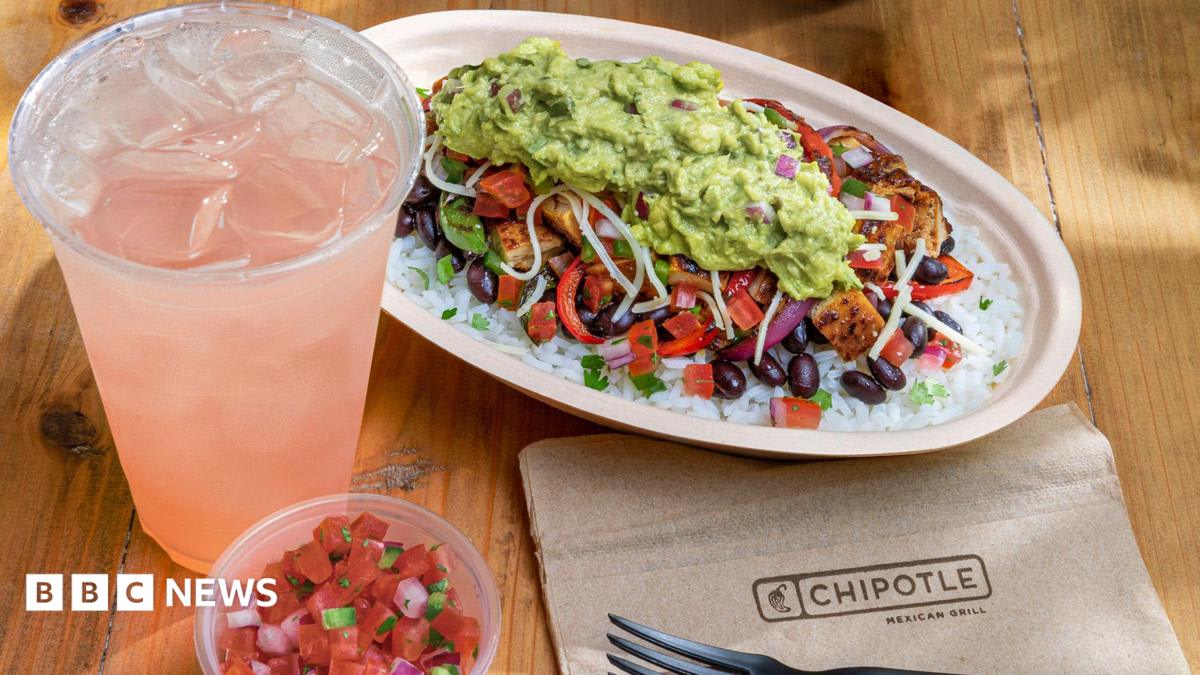
Other US fast food brands have struggled to succeed in the countries their dishes originated.
The Great Homecoming: Chipotle's Strategic Entry into Mexico
In a move that is as strategically bold as it is culturally ironic, the US-based fast-casual giant Chipotle has announced the opening of its first outlet in Mexico. For years, Chipotle has dominated the North American landscape by refining a specific, streamlined version of Mexican-inspired cuisine that appeals to the American palate. Now, the company is attempting a 'homecoming' of sorts, bringing its standardized business model to the very region that inspired its menu. This expansion represents a pivotal moment for the brand as it seeks to diversify its revenue streams and test the scalability of its brand identity outside the United States.
The Challenge of Authenticity and Perception
The primary hurdle for Chipotle in Mexico is the inherent tension between "authentic" cuisine and "commercialized" adaptations. Chipotle does not claim to serve traditional Mexican food; rather, it serves a stylized, fast-casual interpretation often categorized as Tex-Mex or Cal-Mex. In a market where high-quality, authentic street tacos and traditional moles are accessible on nearly every corner, Chipotle must navigate a delicate branding balance. The company will likely need to decide whether to lean into its identity as an American brand offering a unique experience or attempt to tweak its recipes to satisfy the more rigorous standards of local culinary experts.
Historical Context: The Struggle of Origin-Based Brands
As noted in the reports, this move comes with significant historical baggage, as many US fast-food brands have previously struggled when entering the countries where their core dishes originated. The phenomenon is often attributed to the 'authenticity gap'—the discrepancy between a globalized, corporate version of a dish and the traditional version revered by locals. When a brand sells a simplified version of a national treasure, it risks being perceived as an inferior imitation. Chipotle's success will depend on whether it can position itself not as a replacement for traditional Mexican food, but as a convenient, modern, and high-quality dining alternative for the urban middle class.
Market Dynamics and Target Demographics
Despite the risks, the Mexican market offers immense potential. Mexico has a burgeoning youth population and a growing urban middle class that is increasingly open to global brands and the 'fast-casual' dining experience. By targeting metropolitan hubs like Mexico City, Chipotle can leverage its reputation for efficiency, cleanliness, and consistent quality—traits that are highly valued in the corporate dining sector. If Chipotle can successfully market its 'Food with Integrity' philosophy—focusing on sustainably sourced ingredients—it may find a niche among health-conscious Mexican consumers who are moving away from traditional deep-fried fast foods.
Operational Risks and Future Implications
Operationally, Chipotle faces the daunting task of establishing a supply chain within Mexico that mirrors the strict quality controls it maintains in the US. Sourcing ingredients that meet corporate standards while remaining cost-effective in a local market will be a complex logistical feat. Furthermore, the pricing strategy will be critical; if the brand is priced too high, it becomes a luxury novelty; if too low, it may struggle to maintain the premium image that allows it to thrive in the US. The outcome of this venture will likely serve as a bellwether for other US-based 'ethnic' fusion brands considering similar expansions.
Conclusion: A High-Stakes Culinary Experiment
Ultimately, Chipotle's entry into Mexico is more than just a geographic expansion; it is a test of brand elasticity. If the chain succeeds, it will prove that a strong corporate identity and operational excellence can outweigh the lack of traditional authenticity. If it fails, it will reinforce the long-standing trend of US brands struggling to compete in the culinary heartlands of their inspirations. For now, the industry will be watching closely to see if the 'Burrito Giant' can find a flavor profile that resonates with the world's most discerning critics of Mexican cuisine.