U.S. launches strikes against Iran for a third night, while Tehran targets Gulf neighbors
Source Entity
US Top News and Analysis
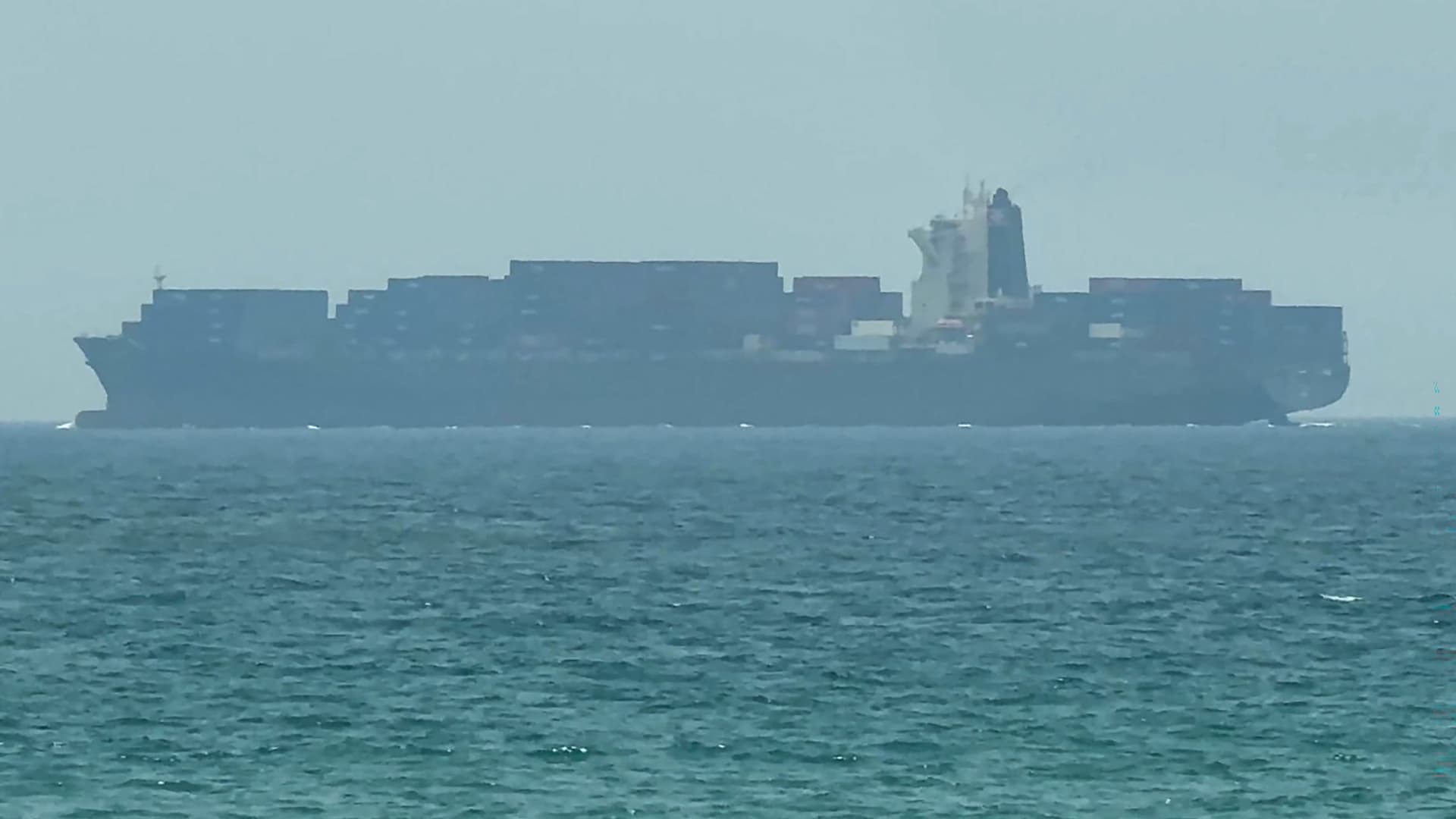
The U.S. has launched a third consecutive night of strikes against Iran, as Tehran targets U.S. military facilities in the region.
Escalation in the Persian Gulf: Analyzing the U.S.-Iran Military Confrontation
The recent surge in military activity between the United States and the Islamic Republic of Iran marks a critical inflection point in Middle Eastern geopolitics. For three consecutive nights, the U.S. has executed precision strikes against Iranian interests, reflecting a shift from a posture of containment to one of active degradation. This cycle of violence is not an isolated incident but the culmination of long-standing frictions regarding regional hegemony, nuclear proliferation, and the security of international shipping lanes. The intensity of a three-night campaign suggests a strategic objective to dismantle specific operational capabilities rather than a mere symbolic retaliatory gesture.
The Dynamics of the Strike Cycle
The decision by the U.S. to maintain pressure over several nights indicates a coordinated military effort to overwhelm Iranian defensive responses. By sustaining the tempo of attacks, the U.S. likely aims to disrupt Tehran's command-and-control infrastructure and signal a high level of resolve. This approach is designed to force a recalculation within the Iranian leadership, emphasizing that the cost of targeting U.S. assets far outweighs the perceived benefits of regional projection. The focus on precision strikes suggests an attempt to minimize civilian casualties while maximizing the impact on military and paramilitary targets.
Tehran's Strategic Response and Regional Spillover
In response, Tehran has not only targeted U.S. military facilities but has also expanded its reach to target Gulf neighbors. This strategy is a hallmark of Iran's 'Forward Defense' doctrine, which seeks to move the battlefield away from Iranian soil and into the territories of its rivals. By targeting Gulf neighbors, Iran leverages its network of regional proxies and ballistic missile capabilities to create a multi-front crisis. This puts immense pressure on the U.S. to not only protect its own bases but to provide a security umbrella for its allies in the region, thereby stretching American military resources across a wider geographic area.
Historical Context and the Shadow War
To understand this escalation, one must look back at the 'shadow war' that has defined U.S.-Iran relations for decades. From the collapse of the Joint Comprehensive Plan of Action (JCPOA) to the implementation of 'maximum pressure' sanctions, the relationship has been characterized by deep mistrust. Historically, conflicts between the two powers have played out through cyberattacks, maritime skirmishes, and proxy warfare in Iraq, Syria, and Yemen. However, the current transition toward direct, repeated kinetic strikes suggests that the traditional 'rules of engagement'—which previously sought to avoid direct state-on-state conflict—are being rewritten.
Broader Implications for Global Security
The implications of this conflict extend far beyond the immediate combatants. The Persian Gulf is one of the world's most vital energy arteries; any prolonged conflict threatens the stability of global oil prices and the security of the Strait of Hormuz. Furthermore, this escalation risks drawing in other regional powers, potentially leading to a wider conflagration that could destabilize the entire Middle East. The international community now faces the challenge of mediating a ceasefire before a miscalculation leads to an all-out war, which would have catastrophic consequences for global trade and diplomatic stability.
Conclusion: The Path Forward
In summary, the current military exchange represents a dangerous escalation of an already volatile relationship. While the U.S. seeks to deter Iranian aggression through sustained force, Tehran continues to utilize its regional influence to challenge American presence in the Gulf. The path toward de-escalation remains narrow, requiring a combination of diplomatic channels and strategic restraint. Until a sustainable political framework is established to address the core grievances of both nations, the region remains poised on the edge of a larger conflict.