US nuclear fuel firm Clean Core counters BARC’s safety concerns over thorium fuel
Source Entity
Pratyush Deep
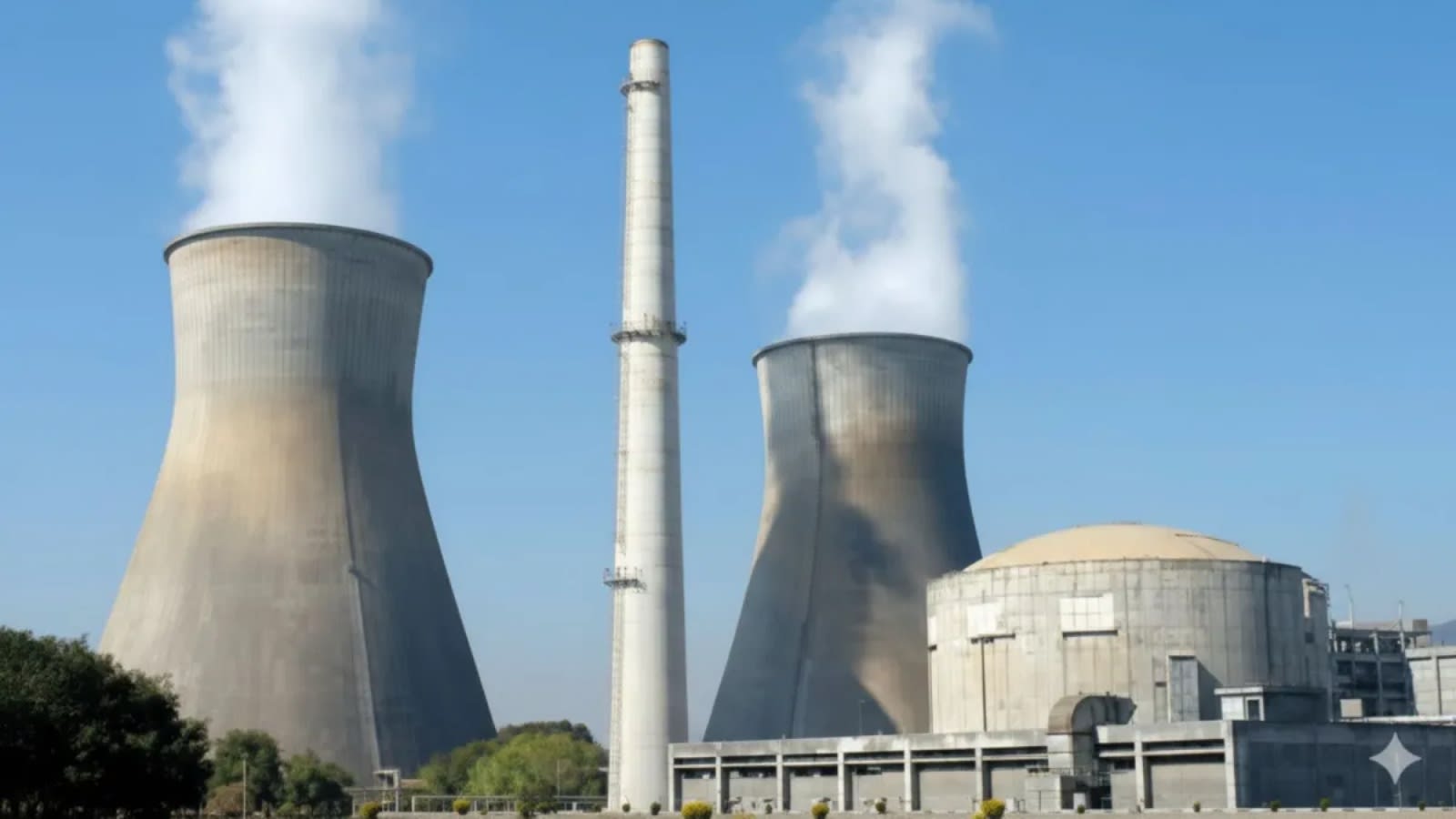
Chicago-based nuclear fuel company Clean Core Thorium Energy (CCTE) has refuted concerns over the use of its advanced nuclear fuel, ANEEL, in existing pressurised heavy water reactors (PHWRs). The com...
The Thorium Tug-of-War: CCTE vs. BARC
The recent clash between the Chicago-based Clean Core Thorium Energy (CCTE) and the Bhabha Atomic Research Centre (BARC) highlights a critical technical and strategic debate in the field of nuclear energy. At the center of the dispute is ANEEL, an advanced nuclear fuel developed by CCTE, which the company claims can be safely integrated into existing Pressurised Heavy Water Reactors (PHWRs). While CCTE asserts that their fuel is a viable path toward enhancing energy efficiency and sustainability, BARC—the cornerstone of India's nuclear research—has expressed significant safety concerns. This disagreement is not merely a corporate dispute but a fundamental debate over the stability and safety of altering the fuel cycle of operational nuclear reactors.
India's Strategic Reliance on Thorium
To understand the weight of this conflict, one must look at India's unique nuclear trajectory. India possesses some of the world's largest reserves of thorium but lacks significant deposits of uranium, which is the primary fuel for most global nuclear reactors. This disparity led to the creation of India's Three-Stage Nuclear Power Programme, where the ultimate goal is to utilize thorium-based fuel to ensure long-term energy independence. Because thorium is fertile rather than fissile, it requires a 'driver' fuel to initiate the fission process. The ability to successfully implement thorium fuel in existing PHWRs would potentially accelerate India's transition to the third stage of its program, bypassing some of the immense costs associated with building entirely new reactor types.
The Technical Friction: ANEEL and PHWR Compatibility
PHWRs are designed specifically for natural uranium. Introducing a foreign fuel composition like ANEEL introduces variables that BARC is understandably cautious about. The primary concerns likely revolve around thermal conductivity, fuel swelling, and the integrity of the cladding under high-radiation environments. If the fuel does not behave predictably, it could lead to 'hot spots' within the reactor core, potentially risking cladding failure or unplanned shutdowns. CCTE’s refutation suggests that their ANEEL fuel has undergone rigorous testing to mitigate these risks, claiming that the advanced composition maintains structural integrity and thermal stability even under the demanding conditions of a PHWR.
Broader Implications for Global Nuclear Cooperation
This interaction also mirrors the complex geopolitical relationship between the US and India regarding nuclear technology. For decades, India was isolated from global nuclear trade due to its non-signatory status to the NPT. However, the 2008 Civil Nuclear Deal opened doors for cooperation. The attempt by a US firm like CCTE to provide fuel solutions for Indian reactors represents a modern iteration of this partnership. If CCTE can prove the safety of ANEEL, it could open a lucrative market for US-developed advanced fuels in other nations utilizing PHWR technology, while helping India achieve its thorium dreams faster.
Future Trends: The Shift Toward Advanced Fuel Cycles
The resolution of this dispute will likely signal a broader trend in the nuclear industry: the move toward 'drop-in' advanced fuels. Rather than decommissioning old reactors, the industry is searching for ways to upgrade existing infrastructure to be more efficient and produce less long-lived radioactive waste. Thorium is often touted as a 'greener' alternative to uranium due to its lower production of transuranic elements. If CCTE successfully counters BARC's concerns with empirical data, we may see a surge in the adoption of mixed-fuel cycles across aging reactor fleets worldwide.
Conclusion
The standoff between Clean Core Thorium Energy and BARC underscores the inherent tension between innovation and caution in nuclear science. While CCTE offers a potentially transformative shortcut to thorium utilization, BARC’s role as a safety regulator necessitates a skeptical approach. The outcome of this technical dialogue will determine whether ANEEL becomes a catalyst for India's energy independence or remains a theoretical curiosity, ultimately influencing how the world approaches the next generation of nuclear fuel implementation.