Pet hair, dust and allergies? 7 signs you need a new vacuum cleaner now
Source Entity
Latest News: Today's Latest News Headlines from India & World | Hindustan Times | Hindustan Times
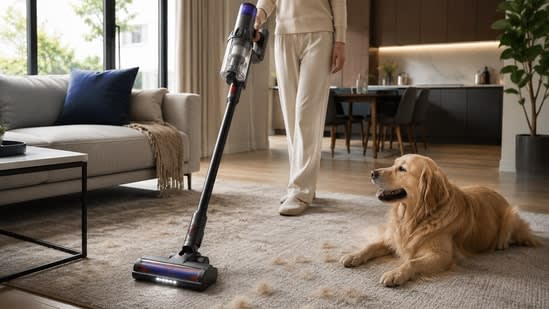
Recurring dust, weak suction and endless cleaning sessions aren't normal. These seven signs show your vacuum cleaner may no longer be enough.
Understanding the Lifecycle of Home Cleaning Technology
Maintaining a hygienic living environment is a fundamental aspect of domestic health, yet many homeowners overlook the gradual degradation of their primary cleaning tool: the vacuum cleaner. The provided report highlights a critical turning point in appliance utility, noting that recurring dust, weak suction, and excessively long cleaning sessions are not merely inconveniences but are definitive signs of hardware failure. When a vacuum ceases to perform its core function efficiently, it transitions from a tool of sanitation to a source of frustration, often exacerbating the very issues it was designed to solve, such as the accumulation of pet dander and environmental allergens.
The Mechanics of Suction Loss and Motor Fatigue
One of the primary indicators mentioned is "weak suction," which typically signals a deeper systemic issue within the machine. In most vacuum cleaners, suction is a product of airflow and pressure differentials created by the motor. Over time, motor brushes wear down and seals degrade, leading to air leaks that compromise the vacuum's ability to lift debris from carpet fibers. While some users attempt to remedy this through basic filter cleaning, a persistent lack of power often indicates that the motor has reached its operational limit. From a technological standpoint, this decline means the device is no longer capable of removing deep-seated particulates, leaving behind a layer of grime that can attract more dust and pollutants.
The Critical Link Between Filtration and Respiratory Health
The report specifically references "pet hair, dust and allergies," which points to the vital role of filtration systems. When a vacuum is outdated or malfunctioning, it often fails to trap microscopic particles, instead exhausting them back into the room's atmosphere. This phenomenon, known as "dust recirculation," is particularly hazardous for individuals with asthma or chronic allergies. Modern advancements in HEPA (High-Efficiency Particulate Air) filtration have set a new standard for indoor air quality; therefore, an older machine that exhibits "recurring dust" is likely lacking the seal integrity or filter grade necessary to capture allergens. This transforms the cleaning process into a redistribution of pollutants rather than a removal.
Efficiency Erosion and the "Endless Cleaning Session"
Another key sign highlighted is the shift toward "endless cleaning sessions." This is a direct consequence of reduced mechanical efficiency. When the brush roll is worn or the suction is compromised, users find themselves passing over the same area multiple times to achieve a baseline level of cleanliness. This not only increases the physical labor involved in home maintenance but also puts unnecessary strain on the remaining functional components of the machine, accelerating its total failure. The transition from a quick chore to a laborious task is a clear economic signal that the cost of the user's time and effort now outweighs the cost of replacing the appliance.
Technological Evolution: Why Upgrading is Necessary
Beyond simple wear and tear, the necessity of a new vacuum is often driven by the evolution of cleaning technology. The industry has moved toward cyclonic separation and brushless motors, which maintain consistent suction longer than the traditional bagged or basic canister models. For households dealing with heavy pet hair—a specific pain point mentioned in the text—new tangle-free brush roll technologies have rendered older, hair-clogged models obsolete. Upgrading is not merely about replacing a broken tool, but about adopting a more sophisticated system that can handle modern flooring materials and specific biological pollutants more effectively.
Summary of Replacement Indicators
In conclusion, the signs of a failing vacuum cleaner are cumulative and systemic. When weak suction is paired with the persistent presence of allergens and a noticeable increase in the time required to clean, the appliance has ceased to be an asset. By recognizing these seven signs, consumers can prevent the degradation of their indoor air quality and reclaim their time. Investing in a modern replacement ensures that pet hair and dust are truly removed from the environment, rather than simply shifted around, thereby safeguarding the health and hygiene of the household.
Verification Required?