Protest in Goa, ripples in Delhi: Plan for luxury villas, 5-star hotel face opposition
Source Entity
Pavneet Singh Chadha
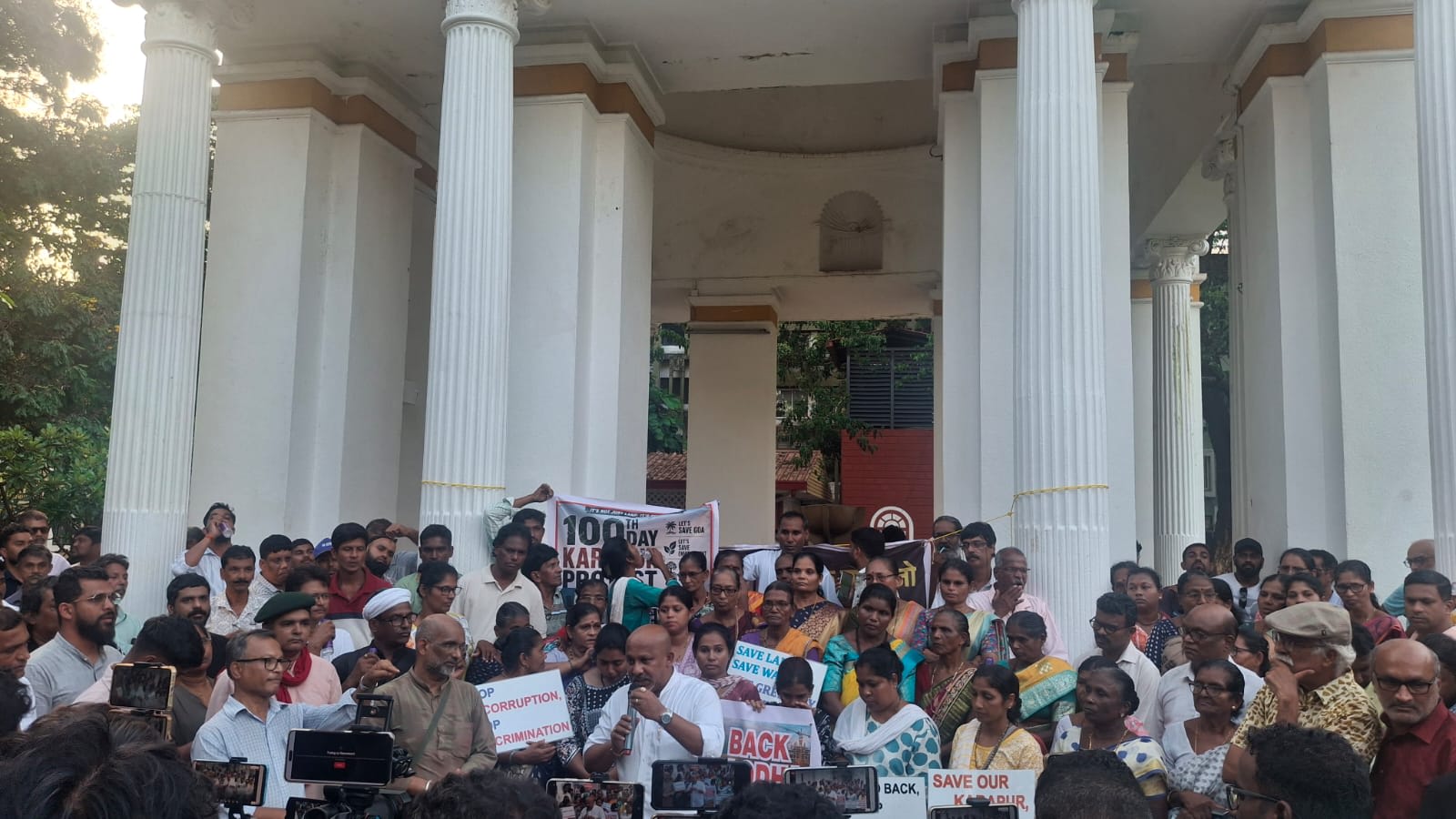
A group of villagers and activists staged a protest in Panaji on Monday against a proposed real estate project, alleging that the luxury township project threatens the village’s ecology, water securit...
The Clash of Luxury and Ecology: Analyzing the Panaji Protests
Recent demonstrations in Panaji, Goa, have brought to the forefront a simmering conflict between high-end real estate ambitions and environmental preservation. A collective of local villagers and environmental activists has staged protests against a proposed luxury township project, which includes the construction of exclusive villas and a five-star hotel. The core of the opposition lies in the perceived threat to the village’s fragile ecology and the critical issue of water security, signaling a deeper systemic tension in how Goa manages its rapid urban expansion.
The Environmental Stakes and Water Security
One of the most pressing concerns raised by the protesters is the potential for severe water depletion. Luxury developments, particularly those incorporating five-star hotels and sprawling villa complexes, are notoriously water-intensive. Such projects often require massive amounts of water for swimming pools, manicured landscapes, and high-end hospitality services, which can lead to the over-extraction of groundwater. In a region where local agriculture and domestic needs depend on stable aquifers, the introduction of a luxury township could potentially lead to the drying up of local wells and a decline in the water table, creating a crisis for the indigenous population.
The 'Delhi Connection' and Regulatory Oversight
The mention of 'ripples in Delhi' suggests that this is not merely a local zoning dispute but a matter of national regulatory significance. This likely refers to the involvement of central government bodies, such as the Ministry of Environment, Forest and Climate Change (MoEFCC), which often oversees the granting of environmental clearances for large-scale projects. The extension of the protest's influence to the capital indicates that activists are attempting to leverage national policy frameworks and environmental laws to halt the project, highlighting a strategic move to challenge the project's legitimacy at the highest administrative level.
Historical Context of Development in Goa
Goa has long been a battleground for the struggle between tourism-driven development and the preservation of its unique cultural and natural landscape. Historically, the state has seen numerous clashes over the conversion of agricultural land (khazan lands) and the construction of resorts in ecologically sensitive zones. The current protest is a continuation of this historical trend, reflecting a growing consciousness among Goans to protect their 'Susegad' lifestyle—a philosophy of contentment and relaxed living—from the encroachment of aggressive, capital-intensive urbanization that often prioritizes profit over planetary health.
Socio-Economic Implications for Local Communities
Beyond the environmental impact, the proposed luxury township represents a socio-economic shift that often marginalizes local residents. While developers frequently promise job creation, these roles are often low-paying service positions, whereas the land and resources are consumed by high-net-worth individuals. The protest in Panaji underscores a demand for 'inclusive growth' rather than 'exclusive development.' The villagers are essentially fighting against a model of progress that threatens to displace their traditional way of life and deplete the natural resources upon which their livelihoods depend.
Future Trends: The Shift Toward Sustainable Tourism
Looking ahead, this conflict is likely to catalyze a broader conversation about sustainable tourism in India. The increasing frequency of such protests suggests that the era of unchecked luxury expansion is facing a reckoning. We can expect to see a rise in legal challenges filed through the National Green Tribunal (NGT), demanding more rigorous Environmental Impact Assessments (EIA) that specifically account for cumulative water stress. The outcome of this specific protest in Goa could serve as a precedent for other ecologically sensitive regions in India facing similar pressures from the luxury real estate sector.
Conclusion
In summary, the protests in Panaji are a microcosm of the global struggle between rapid capital accumulation and ecological sustainability. By linking local water security to national regulatory oversight in Delhi, the activists have elevated a village-level dispute into a significant discourse on environmental justice. The resolution of this standoff will depend on whether the government prioritizes short-term investment gains or the long-term ecological viability of the Goan landscape.