Is tracking your food purchases good for your health?
Source Entity
BBC News
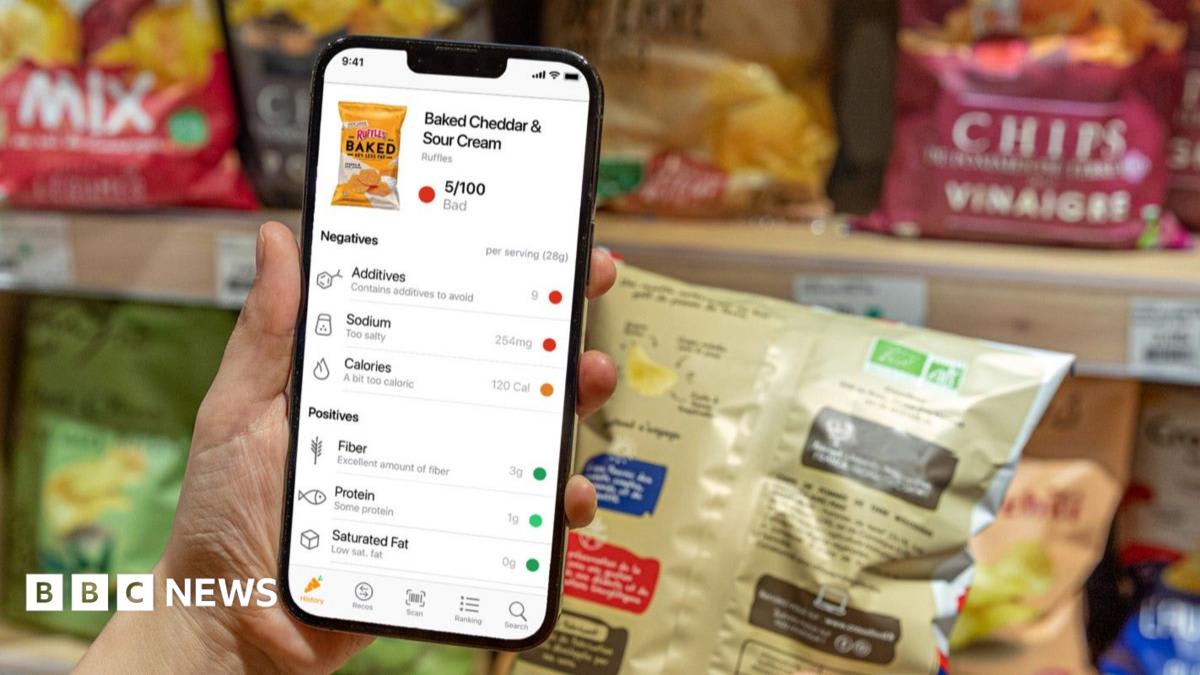
Food tracking apps are popular, but are they a good way to make us eat a healthier diet?
The Digital Diet: Analyzing the Efficacy of Food Tracking Apps
In an era defined by the quantification of the self, the rise of food tracking applications has transformed how individuals approach nutrition. The core question—whether tracking food purchases and intake actually leads to a healthier diet—touches upon the intersection of behavioral psychology, digital technology, and nutritional science. While the intention behind these apps is to foster mindfulness and accountability, the actual impact on long-term health is nuanced, depending heavily on the user's psychological relationship with food and their ability to translate data into sustainable habits.
The Psychology of Awareness and Accountability
One of the primary drivers behind the success of food tracking is the 'Hawthorne Effect,' where individuals modify their behavior simply because they are aware they are being monitored. By logging food purchases and daily intake, users are forced to confront the reality of their dietary choices, often revealing hidden patterns of overconsumption or nutritional deficiencies. This heightened state of awareness can serve as a powerful catalyst for initial behavior change, prompting users to swap processed snacks for whole foods or to increase their intake of leafy greens based on the data provided by the app.
The Aspirational Gap: Purchasing vs. Consumption
A critical point of analysis in the efficacy of purchase-based tracking is the discrepancy between what is bought and what is actually consumed. Many users engage in 'aspirational shopping,' where they purchase healthy ingredients—such as quinoa, kale, or fresh berries—to align with a desired identity of a 'healthy person.' However, if these items spoil in the refrigerator while the user continues to rely on convenient, processed options, the act of tracking the purchase becomes a performative exercise rather than a health-promoting one. Therefore, tracking purchases alone is an insufficient metric for health; it must be coupled with consumption tracking to be truly effective.
Educational Benefits and Nutritional Literacy
Beyond simple calorie counting, modern food tracking apps often provide detailed breakdowns of macronutrients (proteins, fats, carbohydrates) and micronutrients. This can significantly increase a user's nutritional literacy, teaching them to identify hidden sugars in sauces or the importance of fiber for gut health. By turning the grocery list into a data set, users can learn to optimize their shopping habits to ensure a balanced diet, potentially reducing the long-term risk of chronic diseases such as Type 2 diabetes and hypertension through informed dietary choices.
The Risks of Obsession and Disordered Eating
Despite the benefits, the rigid nature of digital tracking carries inherent risks. For some, the obsession with hitting specific numerical targets can lead to orthorexia—an unhealthy obsession with eating 'pure' or 'correct' foods. When the focus shifts from overall well-being to the strict adherence to an app's data, food can become a source of anxiety rather than nourishment. This psychological strain can undermine the physical health benefits of a better diet, suggesting that these tools are most effective when used as flexible guides rather than absolute rules.
Future Trends: AI and Personalized Nutrition
Looking forward, the integration of Artificial Intelligence (AI) and wearable technology is likely to evolve food tracking from manual entry to automated insight. We can expect systems that sync directly with grocery store loyalty programs and smart refrigerators to provide real-time nutritional coaching. Predictive analytics may soon allow apps to warn users when their purchase patterns indicate a slide toward poor nutrition, suggesting specific replacements based on the user's taste preferences and health goals, thereby closing the gap between intent and action.
Conclusion: A Balanced Approach to Digital Health
Ultimately, food tracking apps are tools, not cures. Their ability to improve health depends on the user's ability to maintain a healthy psychological balance and a commitment to actual consumption over mere acquisition. When used mindfully, these applications can provide the structure and education necessary to build a healthier lifestyle. However, the most sustainable path to health remains a combination of data-driven insights and an intuitive, flexible approach to eating that prioritizes overall wellness over perfect numbers.