Inner Wheel Club, SNEHA take up mental health project
Source Entity
India Latest News: Top National Headlines Today & Breaking News | The Hindu
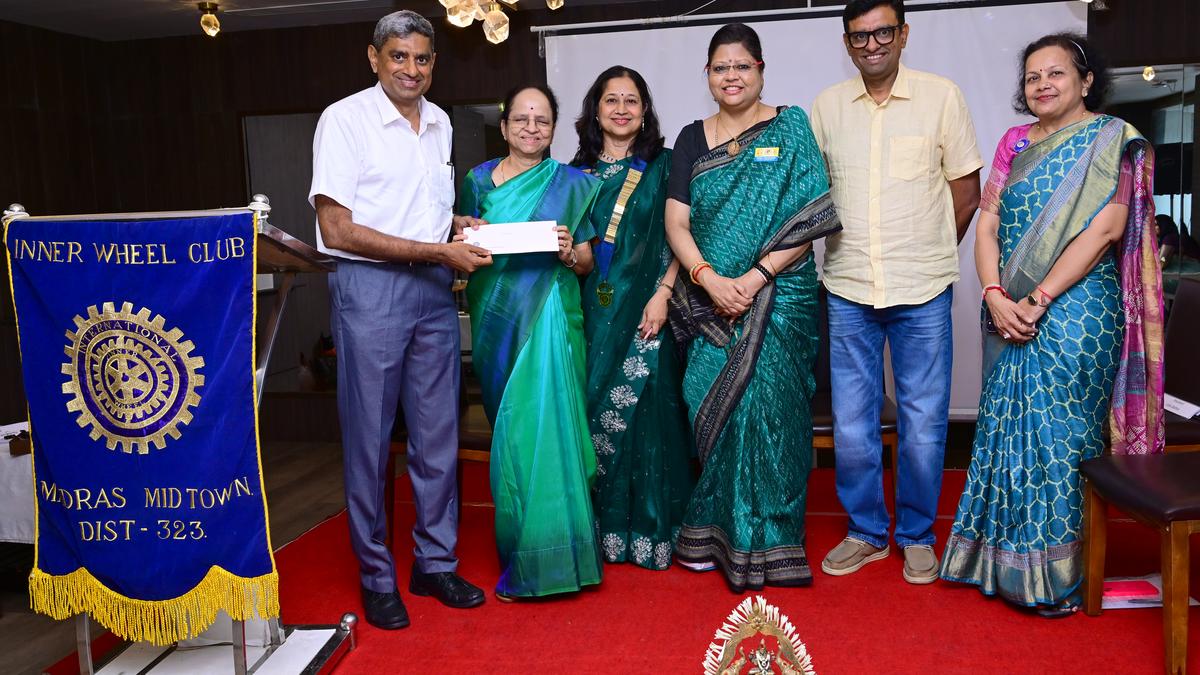
The Inner Wheel Club of Madras Midtown, a women-led organisation with a 50-year legacy, and SNEHA, an NGO specialising in suicide prevention, will collaborate on a mental health initiative to conduct ...
A Strategic Alliance for Community Wellness
The announcement of a partnership between the Inner Wheel Club of Madras Midtown and SNEHA marks a significant step toward integrating community-led social support with professional mental health intervention. By combining the grassroots reach of a long-standing women's organization with the clinical and preventative expertise of a specialized NGO, this initiative aims to address the often-overlooked challenges of mental health within the urban landscape of Chennai. This collaboration is not merely a philanthropic gesture but a structured attempt to create a safety net for individuals at risk of self-harm and psychological distress.
The Power of Legacy and Community Reach
The Inner Wheel Club of Madras Midtown brings a formidable 50-year legacy to this project. As a women-led organization, the club possesses an intricate network of social capital and community trust that is essential for the success of any public health initiative. In many traditional social structures, women often serve as the primary caregivers and the first point of contact for family crises. By leveraging this network, the project can penetrate deep into households where mental health issues might otherwise remain hidden due to social stigma. The club's half-century of experience in social service ensures that the project is grounded in an understanding of the local demographic's needs.
SNEHA's Role in Suicide Prevention
SNEHA, an organization renowned for its specialization in suicide prevention, provides the necessary technical and psychological framework for the initiative. Suicide prevention requires a highly nuanced approach, involving crisis intervention, risk assessment, and long-term counseling. While the Inner Wheel Club provides the access and awareness, SNEHA provides the professional rigor. This ensures that the project does not stop at mere "awareness" but extends into actual life-saving interventions. The synergy between these two entities allows for a seamless transition from identifying a person in distress to providing them with professional psychiatric or psychological support.
Addressing the Mental Health Crisis in Urban India
This collaboration occurs against a backdrop of rising mental health challenges in India's metropolitan hubs. Urban centers like Chennai face unique stressors, including high-pressure professional environments, the breakdown of traditional joint-family support systems, and the isolation of modern city living. Historically, mental health has been a taboo subject in Indian society, often dismissed as a lack of willpower or a social embarrassment. By bringing a mental health project into the public sphere through a respected organization like the Inner Wheel Club, the initiative helps normalize the conversation around depression and anxiety, effectively challenging the systemic stigma that prevents people from seeking help.
Analyzing the Synergy of 'Reach' and 'Expertise'
The most critical aspect of this partnership is the marriage of "reach" and "expertise." Many mental health NGOs struggle with outreach—getting their services to the people who need them most—while many social clubs have the reach but lack the specialized training to handle acute psychological crises. This project solves both problems simultaneously. The Inner Wheel Club acts as the bridge, while SNEHA acts as the destination for care. This model of "Community-Based Intervention" is widely regarded by global health experts as the most effective way to reduce suicide rates, as it catches individuals in the "pre-crisis" phase through community observation.
Future Implications and Scalability
Looking forward, this collaboration could serve as a blueprint for other urban centers across India. If the Inner Wheel Club and SNEHA can demonstrate a measurable decrease in crisis incidents or an increase in early-intervention cases, other women-led organizations and specialized NGOs may adopt similar partnership models. We can predict a trend where "social networking for good" evolves into "structured health delivery systems," where the social fabric of a city is utilized to deliver critical health services. This shift from clinical-only models to community-integrated models is likely to be the future of public health in densely populated regions.
Conclusion
In summary, the partnership between the Inner Wheel Club of Madras Midtown and SNEHA is a timely and strategic response to the growing need for mental health support. By utilizing a 50-year legacy of community service and pairing it with professional suicide prevention expertise, the initiative is well-positioned to save lives and foster a more resilient society. The success of this project will likely depend on its ability to maintain a balance between sensitive community outreach and rigorous clinical standards, ultimately providing a lifeline to those in the shadows of urban distress.
Verification Required?