Most people buy the wrong running shoes; Avoid these common mistakes
Source Entity
Latest News: Today's Latest News Headlines from India & World | Hindustan Times | Hindustan Times
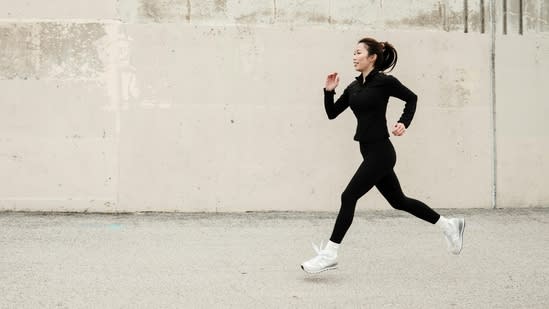
Buying the right running shoes starts with proper fit, surface choice and comfort, helping reduce common injuries and improve every run.
The Science of Selection: Avoiding Common Running Shoe Pitfalls
Selecting the appropriate footwear is often the most overlooked aspect of a runner's preparation. While many consumers prioritize aesthetics or brand loyalty, the provided report emphasizes that the majority of people purchase the wrong running shoes. This systemic error in selection is not merely a matter of discomfort but a significant health risk. When a runner wears shoes that do not align with their biomechanics, they introduce instability into their kinetic chain, which can lead to chronic injuries and a decrease in overall athletic longevity.
The Criticality of Proper Fit and Sizing
One of the most frequent mistakes identified is the failure to account for foot expansion. During a run, feet naturally swell due to increased blood flow and impact; therefore, buying shoes that fit snugly in a store often leads to toe bruising and blisters on the road. Experts suggest a 'thumb's width' of space between the longest toe and the end of the shoe. Furthermore, the width of the toe box is paramount; a shoe that is too narrow can cause bunions or nerve compression, while one that is too wide fails to provide the necessary lateral support, leading to inefficient movement patterns.
Understanding Biomechanics: Pronation and Stability
Beyond size, the choice of shoe must be anchored in the runner's specific gait. The report mentions 'proper fit,' which encompasses the concept of pronation—the natural inward roll of the foot during a stride. Runners generally fall into three categories: neutral, overpronators (rolling inward too much), and supinators (rolling outward). Using a neutral shoe when a stability shoe is required can lead to overpronation, increasing the risk of shin splints and plantar fasciitis. Conversely, excessive stability in a supinator's shoe can cause ankle instability. Understanding these biomechanical needs is the difference between a shoe that supports the body and one that fights against it.
Surface Specificity: Road vs. Trail
Another cornerstone of the analysis is the 'surface choice.' Running shoes are engineered for specific terrains. Road shoes are designed for pavement, focusing on cushioning and flexibility to absorb the repetitive shock of hard surfaces. In contrast, trail shoes feature aggressive lugs for grip on uneven terrain and reinforced uppers to protect against rocks and debris. Attempting to run on technical trails in road shoes leads to slippage and instability, while wearing trail shoes on asphalt causes premature wear of the outsole and an unnecessarily rigid ride, which can strain the calf muscles.
Long-term Health Implications and Injury Prevention
The correlation between incorrect footwear and injury is direct and well-documented. When the foot is not properly supported, the body compensates by shifting the load to other joints. This often manifests as knee pain (runner's knee) or hip misalignment. By prioritizing comfort and anatomical alignment, runners can mitigate these risks. The report correctly identifies that comfort is not just a luxury but a diagnostic tool; if a shoe feels restrictive or creates 'hot spots' immediately, it is likely to cause a repetitive stress injury over the course of several miles.
Future Trends in Footwear Technology
Looking forward, the industry is moving toward hyper-personalization. We are seeing a rise in 3D foot scanning and AI-driven gait analysis to remove the guesswork from the buying process. The integration of carbon-fiber plates and advanced energy-return foams is also changing how we perceive 'comfort' and 'performance.' However, regardless of technological leaps, the fundamental principles of fit and surface suitability will remain the primary determinants of a runner's health. The trend is shifting from 'one size fits all' to 'one shoe fits one specific foot type.'
Summary
In conclusion, the act of buying running shoes should be treated as a technical decision rather than a retail errand. By focusing on the triad of proper fit, surface appropriateness, and biomechanical comfort, runners can significantly reduce their injury risk and improve their efficiency. The transition from buying the 'wrong' shoe to the 'right' one is often the most effective way to enhance athletic performance and ensure long-term physical well-being.
Verification Required?