Trump to claim declassified intel reveals 2020 election interference: MS NOW
Source Entity
US Top News and Analysis
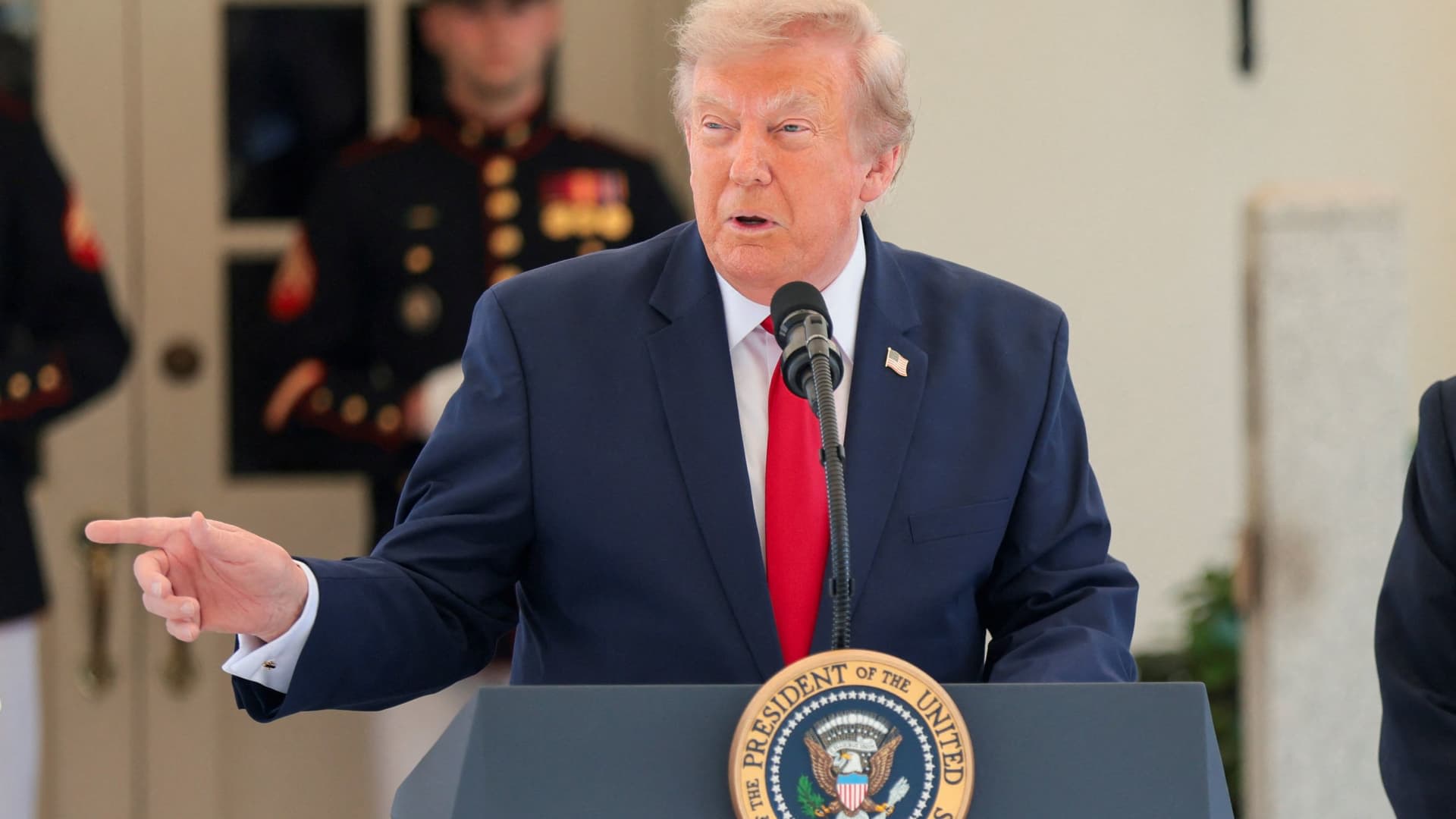
Trump said he will make a "Speech to the Nation on Thursday evening, at 9 P.M. Eastern," without providing further details.
Analysis of Trump's Announced Address on 2020 Election Interference
Introduction: A High-Stakes Announcement
Former President Donald Trump has signaled a significant political escalation by announcing a "Speech to the Nation" scheduled for Thursday evening at 9 P.M. Eastern. The core of this address, as reported, will center on claims that declassified intelligence provides evidence of interference in the 2020 Presidential election. By framing this as a national address and tying it to "declassified intel," Trump is attempting to shift the narrative from anecdotal claims of voter fraud to a more formalized, state-sanctioned intelligence framework, thereby increasing the perceived legitimacy of his assertions.
The Strategic Use of "Declassified Intelligence"
The mention of declassified intelligence is a calculated rhetorical move. In the realm of national security, declassification is the process of removing the "secret" status from government documents. By claiming that such intelligence exists and reveals interference, Trump is positioning himself as a whistleblower of government secrets. This strategy is designed to appeal to a base that believes in a "deep state" conspiracy, suggesting that the true nature of the 2020 election has been hidden by intelligence agencies and is only now coming to light. This approach transforms the debate from a legal battle over ballot counts into a matter of national security and institutional transparency.
Historical Context of the 2020 Election Narrative
To understand the weight of this announcement, one must look at the historical trajectory of the 2020 election disputes. Since November 2020, Donald Trump has consistently maintained that the election was "stolen," despite numerous court losses and audits confirming the results. However, the shift toward claiming "intelligence-based interference" represents an evolution in his strategy. While previous claims focused on local election irregularities, the focus on intelligence suggests a broader scope—potentially involving foreign actors or institutional manipulation—which allows him to bypass the specific legal failures of previous fraud lawsuits.
Implications for the Intelligence Community and Governance
This announcement places the U.S. Intelligence Community (IC) in a precarious position. If Trump presents documents or claims based on intel, the current administration and intelligence agencies may be forced to either confirm the findings or publicly refute them. Such a clash could further erode public trust in non-partisan intelligence agencies. The tension between political narratives and empirical intelligence data is a recurring theme in modern American politics, and this speech threatens to deepen the divide between those who trust institutional findings and those who trust the former president's interpretation of those findings.
Political Mobilization and Future Trends
From a campaign perspective, this speech serves as a powerful mobilization tool. By scheduling a prime-time national address, Trump is creating a "moment" of political theater designed to dominate the news cycle and energize his supporters. Looking forward, this could lead to renewed demands for congressional investigations or the formation of new committees to probe the 2020 election under the guise of national security. This trend suggests that the 2020 election will remain a central, contested pillar of political discourse well into the current electoral cycle, regardless of prior judicial conclusions.
Conclusion: The Intersection of Rhetoric and Reality
In summary, Donald Trump's planned address is more than a mere update on his previous claims; it is a strategic attempt to institutionalize his narrative of election interference through the lens of national intelligence. By utilizing the terminology of declassification, he seeks to provide a veneer of officiality to long-standing grievances. Whether the speech provides concrete evidence or continues the trend of speculative rhetoric, its primary impact will be the further polarization of the American electorate and the continued challenging of the 2020 election's legitimacy.