Anti-graft bills not aimed at undercutting non-BJP governments, says home ministry
Source Entity
TNN
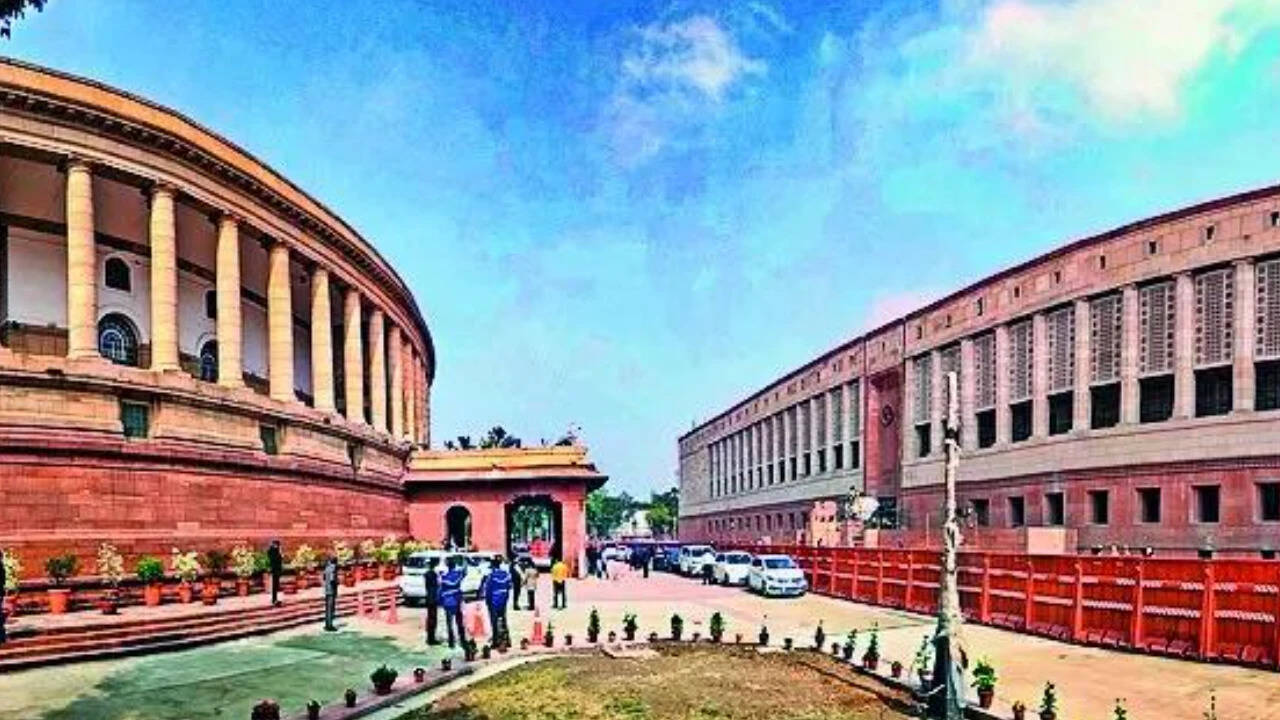
The home ministry has rejected opposition claims regarding anti-corruption bills. These proposed laws aim to remove arrested officials after thirty days in custody. Legislative membership remains intact, ensuring government stability is unaffected. The ministry asserts the mandate is protected by ensuring effective and trustworthy governance. Parliamentary committees are scrutinizing these proposed anti-corruption measures.
Analysis of the Home Ministry's Defense of Proposed Anti-Graft Legislation
The Indian political landscape is currently witnessing a significant debate over proposed anti-corruption bills, as the Home Ministry moves to neutralize allegations from opposition parties. At the heart of the controversy is the claim that these legislative measures are not mere tools for transparency, but are instead strategically designed to undercut and destabilize governments led by non-BJP coalitions. By formally rejecting these claims, the Home Ministry is attempting to frame the legislation as a necessary step toward systemic administrative purity rather than a political weapon.
The 30-Day Custody Provision and Administrative Accountability
A critical component of the proposed bills is the mechanism regarding the removal of officials who have been in custody for more than thirty days. This specific timeline is designed to prevent administrative paralysis, ensuring that positions of power are not left vacant or held in a state of limbo while legal proceedings unfold. From a governance perspective, this ensures that the machinery of the state continues to function efficiently. However, the precision of this window—thirty days—is likely where the opposition finds room for concern, fearing that the speed of removal could be used to purge specific officials based on politically motivated arrests.
Safeguarding Government Stability and Legislative Membership
To counter the narrative of political instability, the Home Ministry has explicitly stated that legislative membership will remain intact despite the removal of arrested officials from their administrative roles. This is a crucial distinction; by decoupling the administrative function from the legislative seat, the ministry argues that the overall stability of a government—and its ability to maintain a majority in the house—remains unaffected. This suggests a calculated effort to ensure that while an individual official may be removed for corruption, the democratic mandate of the governing body is not automatically invalidated, thereby theoretically protecting the stability of the state.
The Political Friction: Governance vs. Political Maneuvering
Historically, anti-corruption drives in India have often been viewed through a partisan lens, with opposition parties frequently alleging that central agencies are used to target political rivals. The current friction reflects this historical baggage. The Home Ministry's insistence that the mandate of the government is protected by ensuring "effective and trustworthy governance" is an attempt to pivot the conversation from political survival to ethical administration. By framing the bills as a means to instill trust in the bureaucracy, the government is positioning itself as a champion of transparency, even as it faces accusations of overreach.
The Role of Parliamentary Scrutiny
Currently, these proposed measures are under the lens of parliamentary committees. This stage of the legislative process is vital, as it allows for a detailed examination of the bills' language to prevent potential loopholes that could be exploited for political vendettas. The scrutiny by these committees serves as a democratic check and balance, providing a forum where the opposition can formally register their grievances and propose amendments. The outcome of these committee reviews will likely determine whether the bills are passed in their current form or modified to provide more robust protections for officials facing charges.
Conclusion and Future Implications
In summary, the Home Ministry's stance is one of administrative necessity, emphasizing that the anti-graft bills are intended to cleanse the system without disrupting the democratic order. While the government maintains that the focus is on governance and accountability, the deep-seated mistrust between the ruling party and the opposition ensures that these bills will remain a flashpoint of political contention. Moving forward, the implementation of these laws will be closely watched to see if they are applied uniformly across all political spectrums or if they indeed become a tool for administrative attrition against non-BJP administrations.