No significant rain forecast for at least a week as UK heatwave continues
Source Entity
BBC News
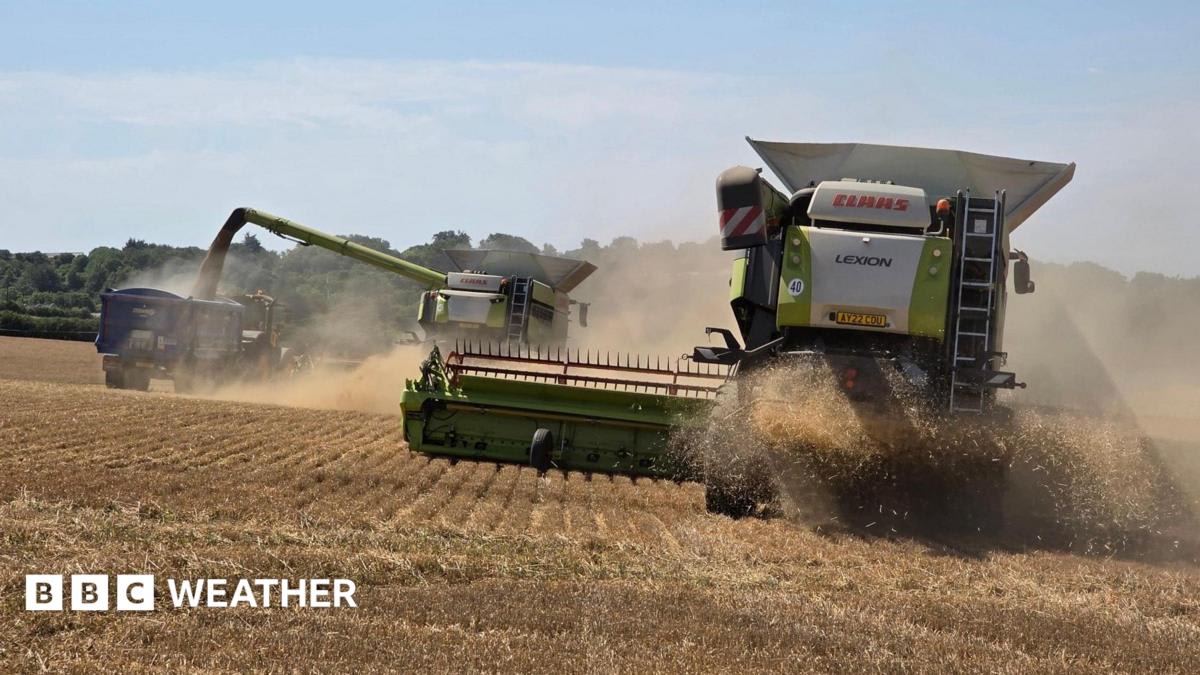
Heat has been this big story of the summer so far but there has also been a lack of wet weather, as Ben Rich explains.
Persistent Heat and Drought: Analyzing the UK's Summer Weather Crisis
The United Kingdom is currently grappling with a sustained heatwave characterized not only by soaring temperatures but by a concerning absence of precipitation. According to recent forecasts, there is no significant rain expected for at least a week, a trend that exacerbates the existing dry conditions. This meteorological pattern suggests a stable high-pressure system, often referred to as a 'blocking high,' which prevents moisture-bearing Atlantic fronts from reaching the British Isles, effectively locking in hot, dry air.
The Environmental and Agricultural Toll
The lack of rainfall during a heatwave creates a compounding effect on the environment. Agriculture is particularly vulnerable; crops that rely on consistent summer rain may suffer from moisture stress, potentially impacting yield and food prices. Furthermore, the saturation levels of the soil drop precipitously, increasing the risk of 'flash droughts.' This dryness transforms rural landscapes into tinderboxes, significantly elevating the risk of wildfires in moorlands and forests, which places immense pressure on emergency services and local fire brigades who must remain on high alert.
Infrastructure and Public Health Implications
Beyond the fields, the combination of extreme heat and dryness poses a direct threat to urban infrastructure and public health. High temperatures can lead to the buckling of railway tracks and the melting of road surfaces, causing significant disruptions to national transport networks. From a health perspective, the absence of rain means there is little natural cooling of the atmosphere at night, leading to 'tropical nights' where temperatures remain high. This prevents the human body from recovering from daytime heat stress, increasing the incidence of heatstroke and placing additional strain on the NHS, particularly for the elderly and vulnerable populations.
The Broader Climate Context
While summer heatwaves are not new to the UK, the frequency and intensity of these dry spells are increasingly aligned with global climate change patterns. Historically, the UK's maritime climate provided a buffer against extreme temperature swings. However, the shifting jet stream is now more prone to meandering, allowing hot air from continental Europe or North Africa to settle over the UK for extended periods. This shift indicates a transition toward a more volatile weather regime where the 'big story' of the summer is no longer just the heat, but the critical deficit of water.
Future Trends and Adaptation Strategies
Looking forward, this event underscores the urgent need for the UK to overhaul its water management infrastructure. The reliance on traditional reservoirs may prove insufficient as dry spells become more prolonged. We can expect a future trend toward increased investment in sustainable drainage systems (SuDS) and more stringent water conservation mandates during the summer months. Urban planning will also likely pivot toward 'sponge city' concepts, incorporating more green spaces and permeable surfaces to capture whatever rain does fall and mitigate the 'urban heat island' effect.
Conclusion
In summary, the current forecast of a rainless week amidst a heatwave is more than a temporary inconvenience; it is a systemic stress test for the UK's environmental, health, and infrastructural resilience. The synergy between high heat and low moisture creates a high-risk environment that necessitates immediate caution and long-term strategic adaptation to a warming world.