The secretive crypto firm backed by Farage's biggest donor
Source Entity
BBC News
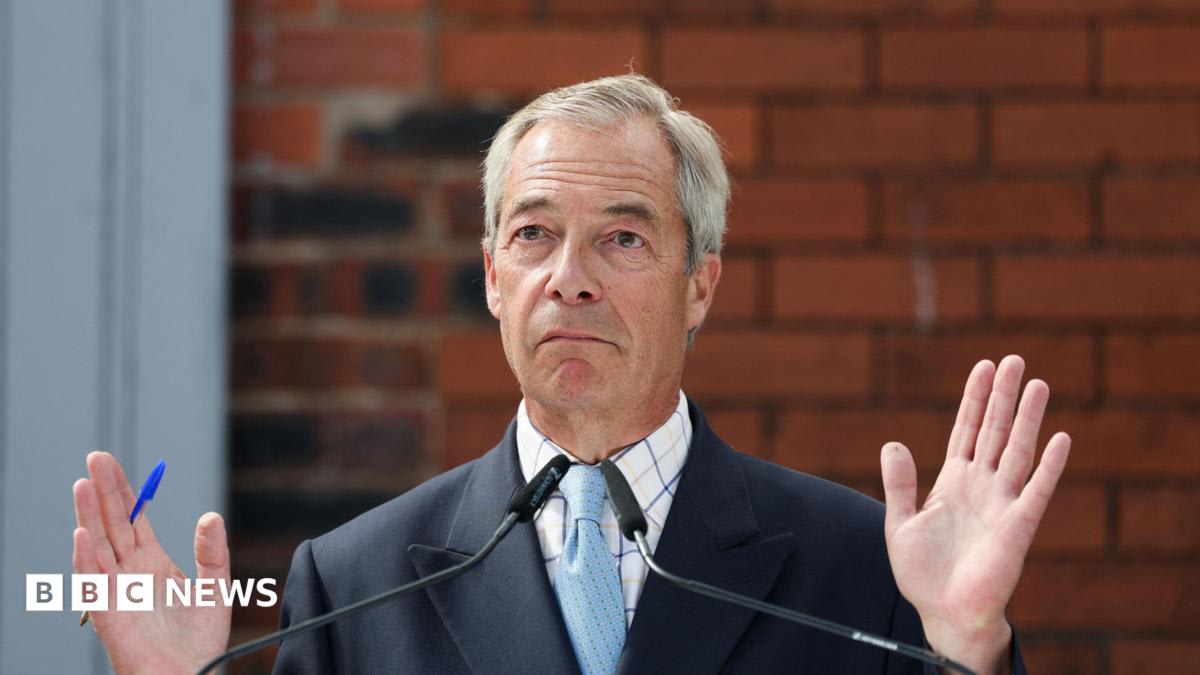
Tether is a giant in crytocurrency, an industry that Nigel Farage believes the UK should be embracing.
The Intersection of Digital Finance and Political Influence
The revelation of a link between Tether, one of the world's most powerful and controversial cryptocurrency firms, and the primary donor of Nigel Farage underscores a growing trend of digital asset interests infiltrating traditional political spheres. This connection is not merely a matter of financial support but suggests a strategic alignment between the 'secretive' nature of stablecoin issuance and the populist, anti-establishment political movements led by figures like Farage. As the UK navigates its post-Brexit economic identity, the push to integrate cryptocurrency into the national financial framework becomes a focal point for those seeking to disrupt established banking norms.
The Role of Tether in the Global Ecosystem
To understand the gravity of this connection, one must first analyze the role of Tether. As the issuer of USDT, the most widely used stablecoin, Tether acts as a critical bridge between traditional fiat currencies and the volatile crypto market. However, the firm has long been dogged by questions regarding its reserves and transparency—hence the description of it being "secretive." The fact that a donor linked to such a dominant yet opaque entity is funding a high-profile politician raises significant questions about the potential for policy influence. If the UK were to embrace cryptocurrency more aggressively, as Farage suggests, the infrastructure provided by Tether would likely benefit immensely from a more permissive regulatory environment.
Nigel Farage and the Vision for a Crypto-Ready UK
Nigel Farage has consistently positioned himself as a champion of deregulation and economic sovereignty. His belief that the UK should be "embracing" the cryptocurrency industry aligns with a broader ideological goal: reducing the reliance on centralized, state-controlled financial systems. By advocating for crypto, Farage is tapping into a sentiment of financial liberation that resonates with his voter base. However, this advocacy takes on a different light when viewed through the lens of campaign financing. The synergy between a donor's business interests in crypto and a politician's public policy stance creates a feedback loop where political rhetoric may be steered by the financial imperatives of the digital asset industry.
Regulatory Tensions and the 'Crypto Hub' Ambition
Historically, the UK government has expressed a desire to make the City of London a global hub for crypto-asset technology. This ambition creates a natural tension between the need for strict consumer protection and the desire to attract high-capital investment from firms like Tether. The influence of major donors who are embedded in the crypto space could potentially tip the scales toward a 'light-touch' regulatory approach. Such a move would be risky; while it might spur innovation and attract capital, it could also expose the UK financial system to the systemic risks associated with stablecoins that lack transparent auditing processes.
Broader Implications for Political Transparency
This situation points to a broader global trend where the 'new money' of the tech and crypto sectors is seeking political leverage. Unlike traditional corporate lobbying, crypto-influence often operates through a network of high-net-worth individuals and decentralized entities, making it harder to track and regulate. The link between Tether's backing and Farage's political machinery serves as a case study in how the anonymity and scale of cryptocurrency wealth can be converted into political capital. This raises fundamental questions about transparency in political funding and whether current disclosure laws are sufficient to handle the complexities of digital asset wealth.
Conclusion: A Precarious Balance
In summary, the connection between Tether, Farage's donor, and the politician's pro-crypto stance represents a convergence of financial power and political ambition. While the UK's embrace of cryptocurrency could offer economic advantages in terms of modernization and efficiency, the influence of secretive financial giants suggests a need for heightened scrutiny. The future of UK crypto policy will likely be a battleground between those advocating for a transparent, regulated framework and those pushing for a deregulated frontier that benefits the early architects of the digital economy.