Sonam Wangchuk on CJP’s protest: ‘This platform has no political colour… PM should be sensitive, not rigid’
Source Entity
Saurabh Dwivedi
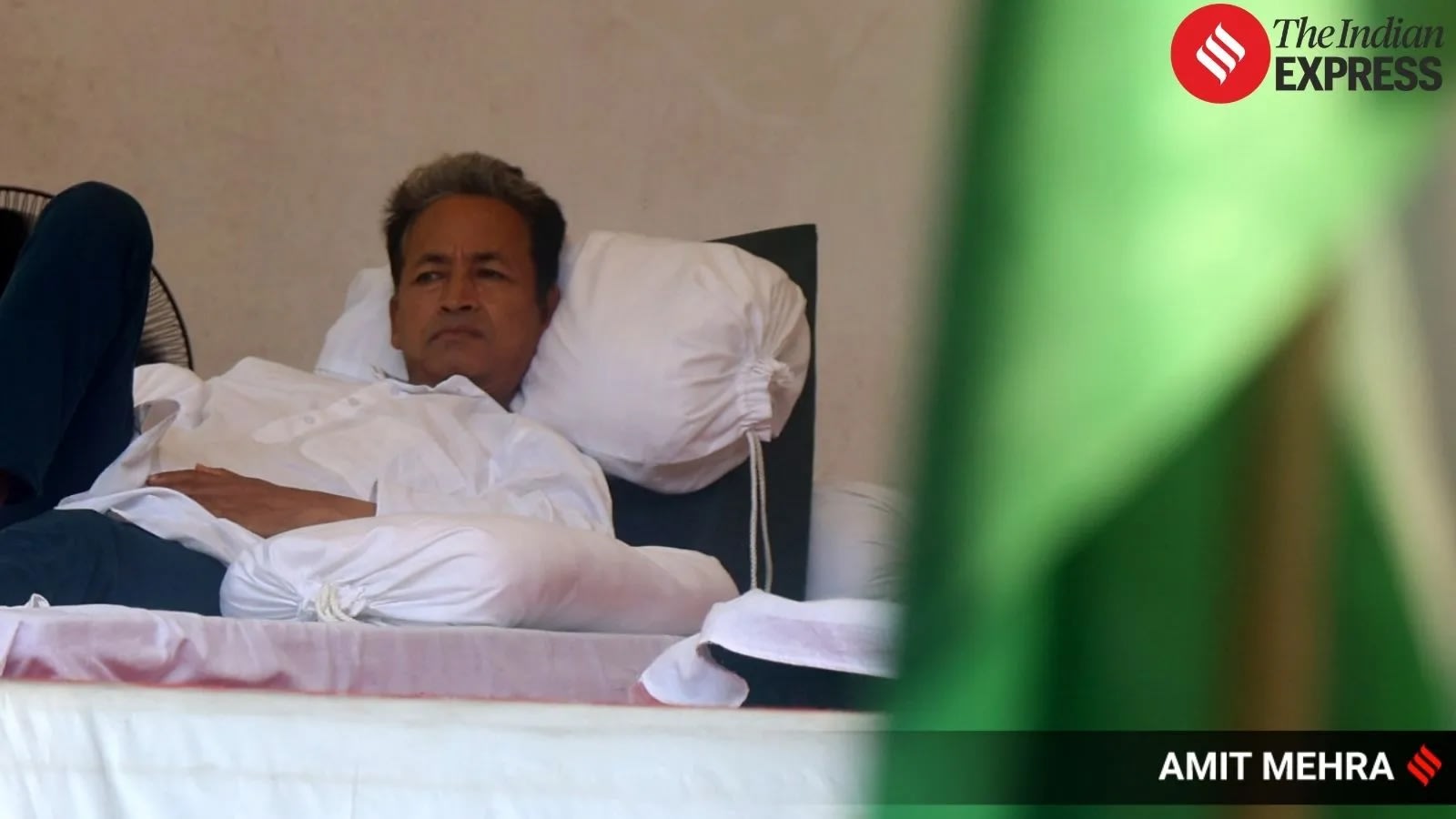
Activist Sonam Wangchuk entered the 16th day of his hunger strike at Jantar Mantar on Monday, as part of the protest organised by the Cockroach Janta Party (CJP) seeking the resignation of Union Educa...
Analysis of Sonam Wangchuk's Protest at Jantar Mantar
Introduction to the Current Crisis
Activist and innovator Sonam Wangchuk has reached a critical juncture in his latest campaign for justice, entering the 16th day of a hunger strike at Jantar Mantar. This protest, organized under the umbrella of the Cockroach Janta Party (CJP), serves as a focal point for grievances directed toward the central government. By explicitly stating that the platform has "no political colour," Wangchuk is attempting to frame his struggle not as a partisan attack, but as a humanitarian and democratic plea for systemic accountability. The core of the current demand—the resignation of the Union Education Minister—indicates a deepening rift between grassroots activists and the administrative leadership of India's educational framework.
The Context of Sonam Wangchuk's Activism
To understand the weight of this hunger strike, one must look at Sonam Wangchuk's history as a champion for the people of Ladakh. Wangchuk has long advocated for the inclusion of Ladakh in the Sixth Schedule of the Indian Constitution, which would provide autonomous governing councils to protect the fragile ecology and unique tribal culture of the region. His transition from an educator and engineer to a political activist reflects a broader trend of regional leaders in the Himalayas feeling marginalized by the central government's top-down approach to governance. The current strike at Jantar Mantar is an extension of this long-standing battle for regional autonomy and environmental preservation.
The Role of the Cockroach Janta Party (CJP)
The involvement of the Cockroach Janta Party (CJP) adds a unique layer to this protest. While the name may appear satirical or unconventional, the CJP represents a growing trend of 'alternative' political spaces that seek to distance themselves from the binary of major political parties. By utilizing a platform that claims to be devoid of political color, Wangchuk is strategizing to attract a wider demographic of citizens who are disillusioned with traditional politics but are concerned about governance and ethics. This approach aims to isolate the specific failures of the Union Education Ministry rather than engaging in a general political skirmish.
Rigidity vs. Sensitivity in Governance
A central theme of Wangchuk's discourse is the plea for Prime Minister Narendra Modi to be "sensitive, not rigid." This critique targets the perceived inflexibility of the current administration in dealing with dissent and regional demands. In the context of the Union Education Minister's requested resignation, the "rigidity" likely refers to a refusal to engage in dialogue or a failure to address specific grievances regarding educational policy or administration. This tension highlights a recurring conflict in Indian politics: the balance between a strong central authority and the nuanced needs of diverse, peripheral regions.
Broader Implications for Education and Regional Rights
The call for the resignation of the Union Education Minister suggests that the grievances extend beyond Ladakh's borders and touch upon the national education system. Whether the issues pertain to the implementation of the National Education Policy (NEP) or the lack of resources in remote areas, the protest signals a lack of confidence in the current leadership. If the government continues to ignore these protests, it risks further alienating the youth and the intellectual class in border regions, which could have long-term implications for national integration and internal security in sensitive zones like Ladakh.
Future Trends and Predictions
Looking forward, the trajectory of this hunger strike will likely depend on the government's willingness to open a channel of communication. If the administration remains rigid, the protest could galvanize further support from other marginalized regions, potentially turning a local grievance into a broader national movement for regional rights. Conversely, a sensitive response—such as a high-level meeting or a policy review—could defuse the tension. However, given the current political climate, a prolonged standoff is more probable, which may lead to increased international scrutiny of India's treatment of environmental and regional activists.
Conclusion
Sonam Wangchuk's 16-day hunger strike is more than a demand for a minister's resignation; it is a symbolic battle for the soul of democratic dialogue in India. By leveraging a non-partisan platform like the CJP and calling for empathy from the highest office in the land, Wangchuk is challenging the central government to move beyond administrative rigidity. The outcome of this protest will serve as a litmus test for how the Indian state handles the intersection of regional identity, educational reform, and the fundamental right to dissent.