‘Can’t suppress past’: BJP Sikh leaders weigh in to support Satluj
Source Entity
Raakhi Jagga
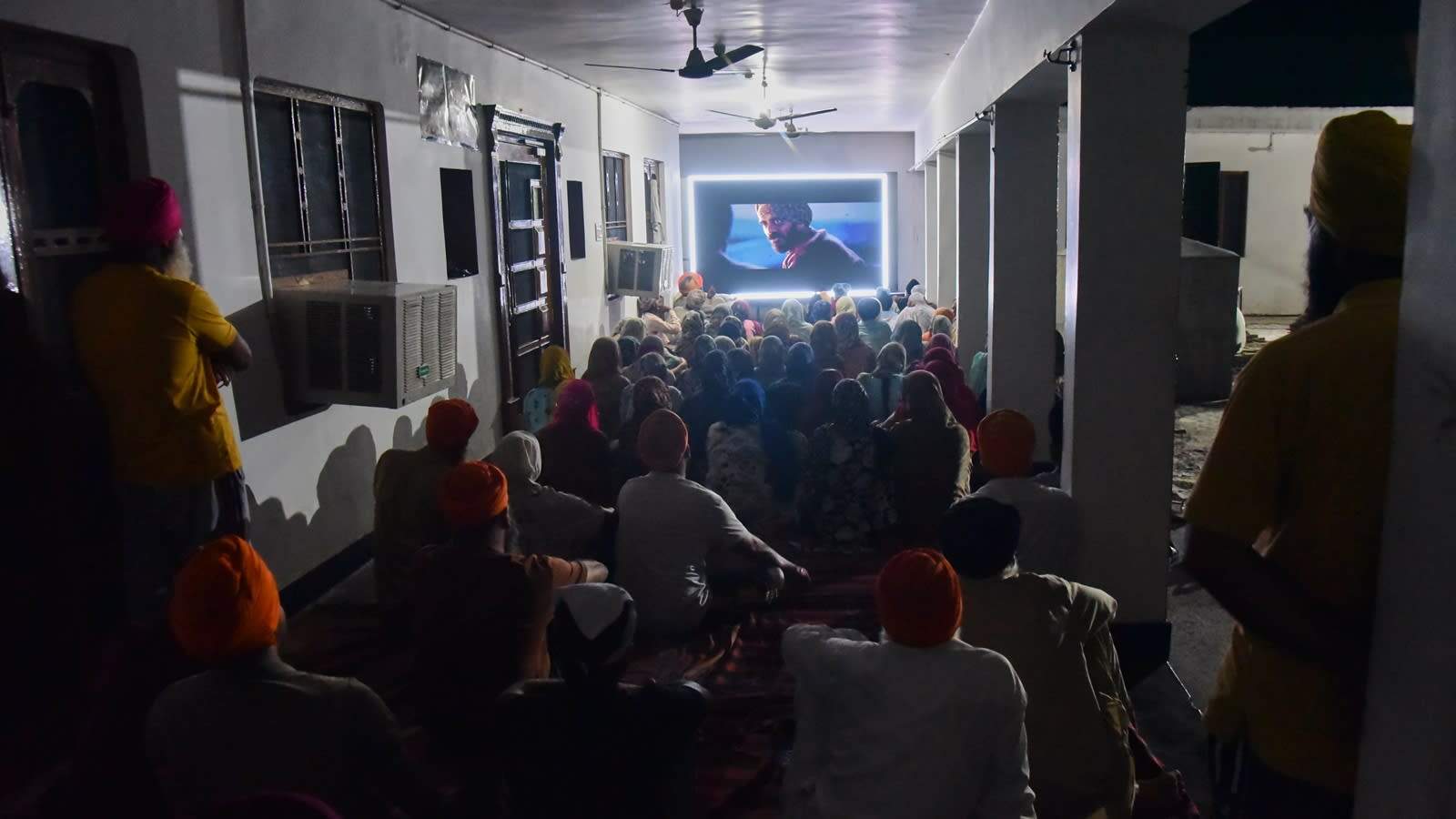
The BJP’s efforts to keep a safe distance from the spreading heat over issues raised by the film Satluj are coming under strain. BJP Sikh leaders have expressed unease over Union Minister of State Ra...
Internal Friction: The 'Satluj' Controversy and BJP's Sikh Outreach
The emergence of the film Satluj has triggered a complex internal conflict within the Bharatiya Janata Party (BJP), highlighting a significant divide between the party's central strategic positioning and the sentiments of its Sikh leadership. While the BJP leadership has attempted to maintain a safe distance from the controversy surrounding the film, the vocal support from BJP Sikh leaders suggests that the narrative presented in the movie resonates deeply with a specific cultural and historical identity that cannot be easily sidelined for political expediency.
The Tension Between Narrative and Politics
At the heart of this dispute is the phrase "Can’t suppress past," which underscores a fundamental tension in Indian political discourse: the struggle between official state narratives and communal or historical memory. The film Satluj appears to touch upon sensitive historical events that the BJP's central apparatus may find inconvenient or contrary to its current political messaging. However, for the Sikh leaders within the party, the film represents a necessary acknowledgment of historical truths. This creates a precarious situation where the party must balance its overarching political goals with the need to remain authentic to the identities of its diverse constituent members.
Strategic Implications for the Sikh Vote Bank
From a strategic standpoint, the BJP's struggle to manage the Satluj fallout reflects the broader challenge of expanding its footprint in Punjab and among the Sikh diaspora. The Sikh community has historically maintained a complex relationship with the BJP, often oscillating between support for its nationalist agenda and apprehension regarding the party's approach to regional identity and religious history. By attempting to distance itself from a film that is viewed favorably by its own Sikh representatives, the BJP risks alienating a critical demographic and appearing disconnected from the lived experiences and historical grievances of the community.
Historical Context of Historical Revisionism
This event fits into a larger global and national trend where cinema becomes a battleground for historical revisionism. In India, films that delve into the socio-political upheavals of the 20th century often face scrutiny or censorship if they clash with the prevailing political climate. The pushback from BJP Sikh leaders indicates a refusal to let the 'official' party line erase specific historical legacies. This internal rebellion suggests that cultural identity often outweighs party loyalty when historical memory is perceived to be under threat.
Future Trends and Political Fallout
Looking forward, this incident is likely to serve as a litmus test for how the BJP handles internal dissent regarding cultural and religious narratives. If the party continues to suppress the views of its Sikh leaders in favor of a sanitized image, it may see a further erosion of trust within its regional cadres. Conversely, if the party integrates these diverse perspectives into a more inclusive narrative, it could potentially strengthen its appeal. The Satluj controversy demonstrates that in an era of high emotional and cultural polarization, the 'past' is never truly settled and will continue to disrupt contemporary political strategies.
Conclusion
In summary, the controversy surrounding the film Satluj is more than a dispute over a cinematic release; it is a manifestation of the internal struggle within the BJP to reconcile its centralized political identity with the diverse historical memories of its members. The insistence of Sikh leaders that the past cannot be suppressed signals a growing demand for historical authenticity over political convenience, posing a significant challenge to the party's internal cohesion and its external outreach strategies.