Pakistan faces shortage of 100 life-saving medicines like cancer drugs, morphine
Source Entity
TOI NEWS DESK
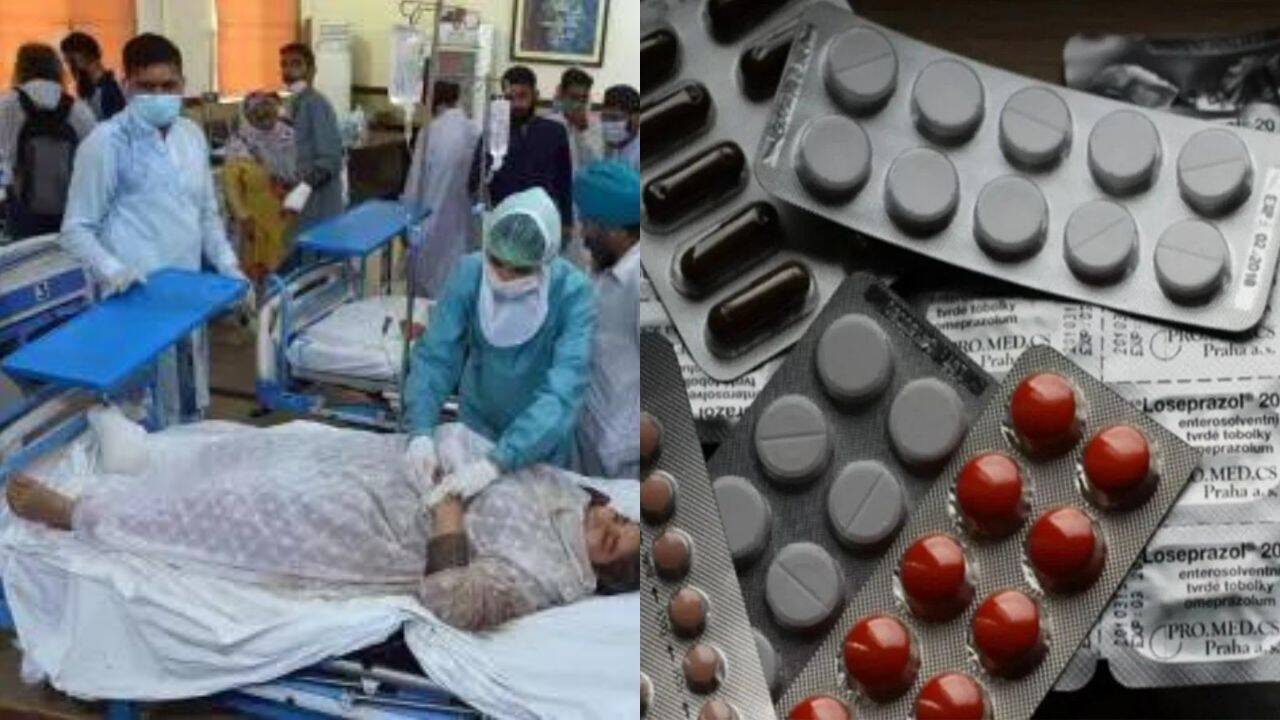
Pakistan faces a critical shortage of over 100 essential medicines, including life-saving drugs. Delayed price revisions by the Drug Regulatory Authority of Pakistan are disrupting production. Rising costs of raw materials and currency depreciation have impacted manufacturing expenses significantly. This situation is creating space for counterfeit and substandard products in the market. Industry representatives urge the government to approve pending hardship pricing cases immediately.
Crisis in Care: Analyzing Pakistan's Life-Saving Medicine Shortage
Pakistan is currently grappling with a severe public health crisis as over 100 essential and life-saving medicines have vanished from the market. This shortage, which includes critical oncology treatments and pain management drugs like morphine, represents a systemic failure in the healthcare supply chain. The crisis is not merely a logistical hiccup but a reflection of deep-seated economic instability and regulatory inertia that threatens the most vulnerable segments of the population.
The Regulatory Bottleneck: DRAP and Pricing
At the heart of the issue is the Drug Regulatory Authority of Pakistan (DRAP). In a regulated market, the government controls the price of essential medicines to ensure they remain affordable for the general public. However, this model relies on a functional feedback loop where the regulator adjusts prices when production costs rise. Currently, there is a massive backlog of "hardship pricing" cases. When the cost of manufacturing exceeds the government-mandated retail price, pharmaceutical companies operate at a loss. To avoid financial collapse, many firms have simply ceased production of these specific drugs, leading to the current scarcity.
Economic Drivers and Import Dependency
The crisis is exacerbated by Pakistan's volatile economic climate. The pharmaceutical industry in Pakistan is heavily dependent on imported Active Pharmaceutical Ingredients (APIs), primarily sourced from China and India. With the drastic depreciation of the Pakistani Rupee (PKR) against the US Dollar, the cost of importing these raw materials has skyrocketed. Because the pharmaceutical sector operates on thin margins under strict price controls, the currency devaluation has made it financially impossible for many manufacturers to sustain the production of life-saving drugs without immediate government intervention.
The Peril of Counterfeit Pharmaceuticals
One of the most dangerous consequences of this shortage is the vacuum it creates in the pharmaceutical market. When legitimate, regulated medicines are unavailable, desperate patients and healthcare providers often turn to unregulated sources or the "grey market." This opens the door for counterfeit and substandard medicines, which may lack the necessary active ingredients or contain harmful impurities. The proliferation of fake drugs poses a secondary health crisis, where patients may believe they are receiving treatment while their condition worsens, or worse, suffer from toxicity caused by unregulated additives.
Human Cost: Oncology and Palliative Care
The shortage of cancer drugs and morphine is particularly devastating. Oncology patients require precise, uninterrupted dosing schedules; any gap in treatment can lead to rapid disease progression or treatment failure. Similarly, the lack of morphine—a critical tool for palliative care—leaves terminally ill patients in unnecessary and avoidable agony. This highlights the human cost of regulatory delays, where bureaucratic inefficiency translates directly into patient suffering and increased mortality rates.
Future Outlook and Systemic Requirements
Moving forward, Pakistan must transition toward a more dynamic pricing model that can automatically adjust for currency fluctuations to prevent such shortages from recurring. There is also an urgent need to incentivize the local production of APIs to reduce the country's dangerous dependency on foreign imports. Until the government prioritizes the approval of pending hardship cases and streamlines the DRAP approval process, the healthcare system will remain fragile and susceptible to further economic shocks.
Conclusion
In summary, the shortage of over 100 life-saving medicines in Pakistan is a multifaceted crisis driven by economic volatility and regulatory stagnation. The intersection of currency devaluation and rigid price controls has created a precarious environment for both manufacturers and patients. Immediate government intervention is required to restore the supply of critical drugs and safeguard the population from the dual threats of untreated illness and counterfeit medicine.