300 km around Delhi: The biggest coal polluters have one thing in common
Source Entity
Sophiya Mathew
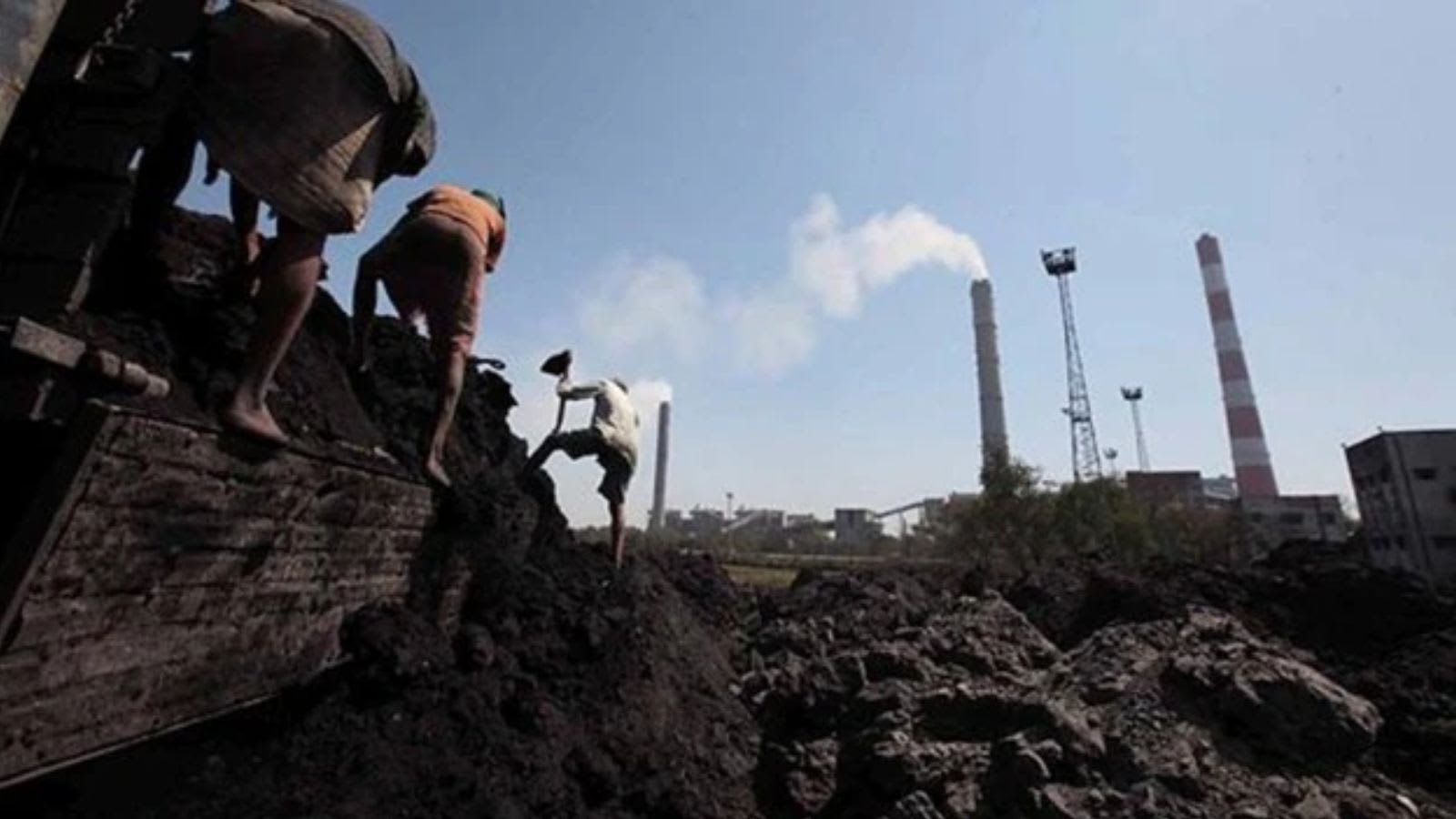
An analysis of 37 coal plant units within a radius of 300 km of Delhi-NCR has found that 20 of them are emitting sulfur dioxide above the safe limits set by the Ministry of Environment, Forest and Cli...
The Invisible Threat: Coal Plant Emissions and the Delhi-NCR Air Crisis
Delhi-NCR has long been the epicenter of India's battle against air pollution, often dominating global headlines during the winter smog season. While much of the public discourse focuses on crop residue burning and vehicular emissions, a critical and systemic contributor has emerged from the industrial periphery. A recent analysis of 37 coal-fired power plant units located within a 300 km radius of the National Capital Region (NCR) has uncovered a disturbing trend: 20 of these units are emitting sulfur dioxide (SO2) at levels that far exceed the safety thresholds established by the Ministry of Environment, Forest and Climate Change (MoEFCC).
The Chemistry of Pollution: Understanding Sulfur Dioxide
Sulfur dioxide is a colorless, pungent gas produced primarily from the combustion of fossil fuels containing sulfur, such as coal. When released into the atmosphere, SO2 contributes significantly to the formation of secondary particulate matter (PM2.5), which can penetrate deep into the human respiratory system. The fact that more than half of the analyzed plants are in violation of safety limits suggests a systemic failure in emission control. For the residents of Delhi and surrounding states, this means that the air they breathe is contaminated not just by local traffic, but by industrial plumes drifting from hundreds of kilometers away, exacerbating chronic respiratory illnesses and reducing overall life expectancy in the region.
Regulatory Failure and the FGD Gap
At the heart of this environmental crisis is the delayed implementation of Flue Gas Desulfurization (FGD) technology. The MoEFCC had previously mandated the installation of FGD systems in coal plants to scrub sulfur from emissions before they reach the atmosphere. However, the industry has repeatedly sought extensions and deadlines have been pushed back due to the high capital costs and technical challenges of retrofitting older plants. The data showing 20 violating plants serves as a stark reminder that regulatory mandates without strict enforcement mechanisms are insufficient. The gap between the legal limits and the actual emissions reflects a prioritization of power generation stability over public health.
The 300 km Radius: A Regional Atmospheric Challenge
The significance of the 300 km radius cannot be overstated. Air pollution is not a localized phenomenon; it is a regional one. Atmospheric currents and wind patterns frequently transport pollutants from industrial hubs in neighboring states directly into the Delhi-NCR basin. By identifying these 20 polluters, the analysis highlights that the 'Delhi pollution problem' is actually a North Indian industrial problem. The concentration of coal plants in this belt creates a cumulative effect where the combined emissions overwhelm the atmosphere's capacity to disperse pollutants, leading to the dense, toxic haze that characterizes the region's winters.
Balancing Energy Security with Environmental Health
India faces a complex dilemma: the need for rapid economic growth and energy security versus the urgent requirement for environmental sustainability. Coal remains the backbone of India's power sector, providing the bulk of the electricity needed for urbanization and industrialization. However, the cost of this energy is being paid in public health. The findings regarding these coal plants suggest that the current trajectory of 'growth at any cost' is unsustainable. There is an urgent need for a transition toward cleaner energy sources and the immediate enforcement of emission standards for existing coal assets to prevent a total collapse of air quality in the capital region.
Future Outlook and Necessary Interventions
Moving forward, the government must move beyond mere monitoring and transition toward punitive action for non-compliant plants. This could include heavy environmental fines or the mandatory curtailment of power generation for units that refuse to install FGD technology. Furthermore, this data should serve as a catalyst for accelerating the shift toward renewable energy integration in the North Indian grid. If the regional approach to pollution is not synchronized—integrating the efforts of Delhi with those of surrounding states—the city will continue to suffer from industrial emissions that originate far beyond its own borders.
Summary
The revelation that 20 out of 37 coal plants near Delhi-NCR are violating SO2 limits exposes a critical failure in industrial regulation. By contributing to the region's PM2.5 levels, these plants act as silent drivers of the air quality crisis. Solving this requires a combination of strict technological mandates, regional cooperation, and an accelerated transition away from coal dependency to ensure the long-term health of millions of citizens.