Houthis' sinister warning after bombing Saudi Arabia; MBS starts war which he can't win?
Source Entity
Latest News: Today's Latest News Headlines from India & World | Hindustan Times | Hindustan Times
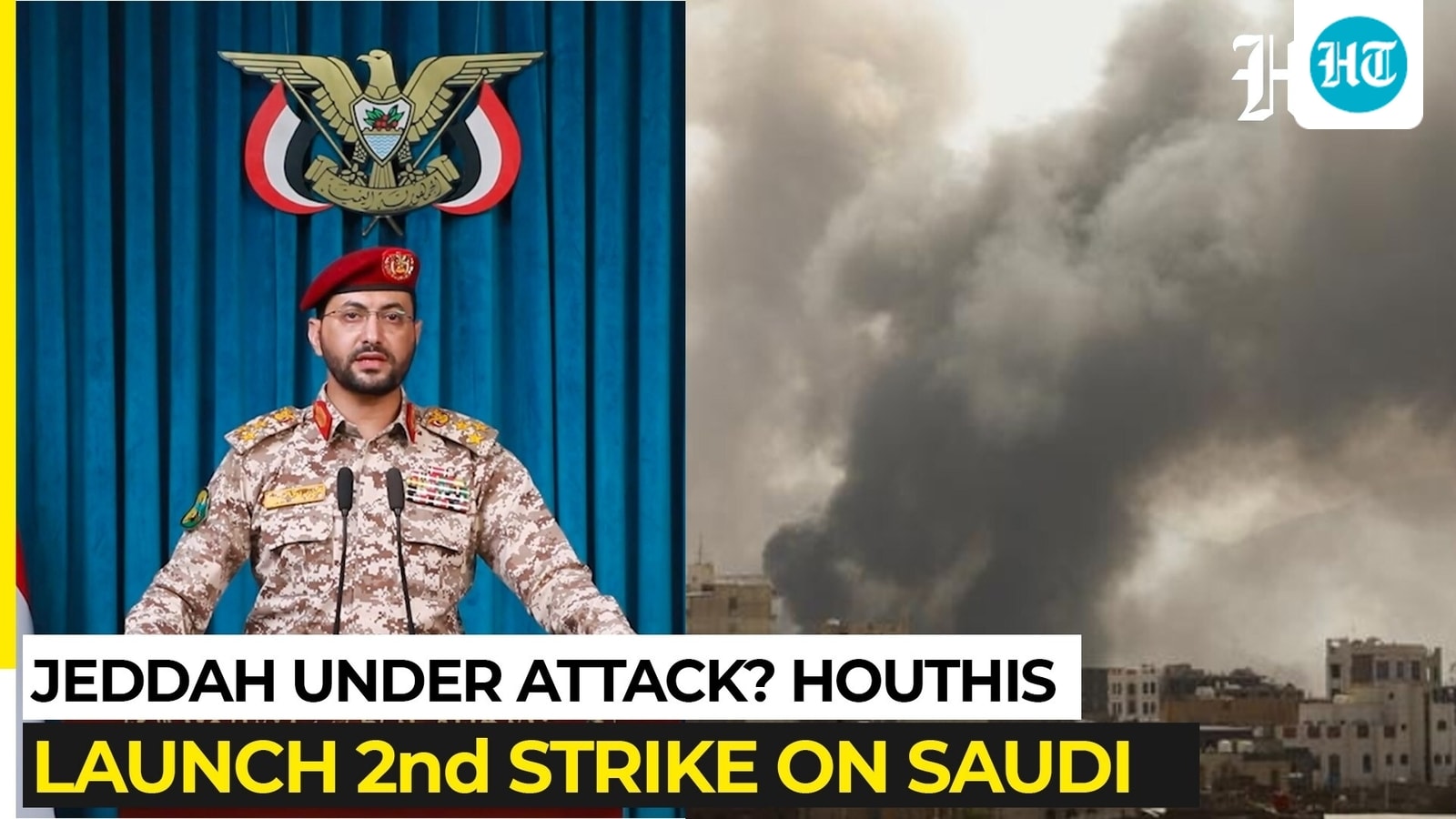
Fresh reports of explosions near Jeddah have intensified fears of a wider regional conflict after the Houthis reportedly launched another barrage toward Saudi Arabia. The latest developments follow escalating tensions over Sanaa Airport, with the Houthis warning of severe consequences unless what they describe as the Saudi-led blockade ends. Claims and counterclaims continue to emerge, while Riyadh has yet to publicly comment on the latest reports. Could the renewed missile exchanges drag the region into another prolonged confrontation?
Escalation in the Arabian Peninsula: The Houthi-Saudi Confrontation
The recent reports of explosions near Jeddah signify a dangerous pivot in the long-standing conflict between the Houthi rebels and the Kingdom of Saudi Arabia. This latest barrage of attacks is not merely a random act of aggression but a calculated strategic move designed to exert maximum pressure on the Saudi leadership. By targeting areas near Jeddah—a critical commercial hub and the gateway to Mecca—the Houthis are signaling their ability to penetrate Saudi air defenses and disrupt the domestic stability of the Kingdom, potentially threatening the economic ambitions of the region.
The Catalyst: The Battle for Sanaa Airport
At the heart of this renewed violence is the contentious issue of the Sanaa Airport blockade. For years, the Saudi-led coalition has maintained strict controls over Yemeni airspace and ports, citing the need to prevent the smuggling of Iranian weaponry to Houthi forces. However, the Houthis frame this blockade as a humanitarian crime that isolates the Yemeni population and stifles the movement of essential goods and people. The current escalation suggests that the Houthis view the lifting of these restrictions as a non-negotiable prerequisite for any lasting ceasefire, using missile strikes as a leverage tool to force Riyadh's hand in diplomatic negotiations.
Strategic Implications for Vision 2030
For Crown Prince Mohammed bin Salman (MBS), these attacks present a complex dilemma. The Kingdom is currently invested in 'Vision 2030,' an ambitious plan to diversify the economy away from oil and attract massive foreign investment. Such investments require a perception of absolute security and stability. Repeated strikes on urban centers like Jeddah undermine this narrative and highlight the vulnerability of the Kingdom's infrastructure. The question of whether MBS has started a 'war he can't win' refers to the asymmetric nature of this conflict; while Saudi Arabia possesses overwhelming conventional military superiority, the Houthis employ low-cost drones and missiles that can cause disproportionate psychological and economic damage.
Historical Context of Asymmetric Warfare
This cycle of violence is deeply rooted in the broader proxy struggle between Saudi Arabia and Iran. The Houthis, supported by Tehran, have mastered the art of asymmetric warfare, utilizing mobile launch sites and sophisticated guidance systems to strike deep into Saudi territory. Historically, Riyadh has responded with aerial campaigns and diplomatic pressure, but the resilience of the Houthi movement suggests that a purely military solution is unattainable. The current tension reflects a recurring pattern where brief periods of relative calm are shattered by sudden escalations whenever diplomatic breakthroughs regarding Yemen's sovereignty and access fail to materialize.
Predicting Future Trends and Regional Stability
Looking forward, the region remains on a knife-edge. If the Houthis continue to target high-value economic zones, Saudi Arabia may be forced to either intensify its military campaign—risking further international condemnation and humanitarian disaster—or make significant concessions regarding the Sanaa Airport blockade. The likely trend will be a continued 'war of attrition,' where both sides use sporadic strikes to signal their resolve during clandestine negotiations. The risk of a wider regional conflict remains high, as any miscalculation during these missile exchanges could trigger a direct confrontation between major regional powers.
Conclusion
In summary, the latest explosions near Jeddah are a stark reminder that the conflict in Yemen remains an open wound in the Middle East. The intersection of humanitarian grievances over the Sanaa Airport blockade and the strategic goals of the Houthi rebels has created a volatile environment. For Saudi Arabia, the challenge lies in neutralizing the Houthi threat without compromising the stability required for its internal economic transformation. Until a comprehensive political settlement is reached that addresses the blockade and the governance of Yemen, the cycle of 'sinister warnings' and retaliatory strikes is likely to persist.
Verification Required?