US launches third straight night of strikes on Iran as Hormuz tensions escalate
Source Entity
TOI WORLD DESK
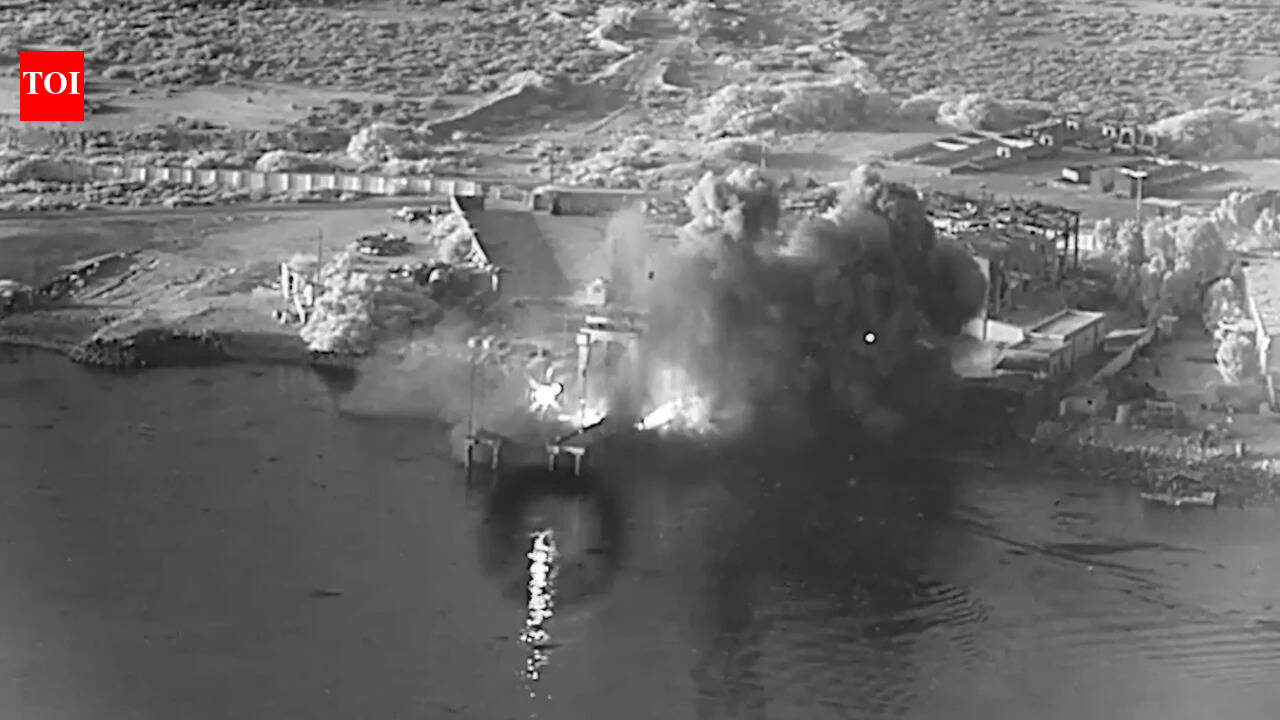
United States forces conducted strikes on Iranian military assets for a third night. These actions aim to degrade Iran's ability to attack commercial shipping. President Trump announced plans to reinstate a blockade on Iranian shipping. The Strait of Hormuz has become a focal point of US-Iran confrontation. A maritime blockade of Iranian ports will take effect Tuesday.
Escalation in the Strait: US Launches Intensive Campaign Against Iranian Assets
In a significant escalation of geopolitical tensions, the United States has executed a series of military strikes against Iranian assets for three consecutive nights. This targeted campaign is explicitly designed to degrade Iran's capability to disrupt or attack commercial shipping lanes. The operational tempo suggests a shift from a posture of deterrence to one of active neutralization, as the US seeks to secure one of the world's most volatile maritime corridors. The strategic focus is clear: ensuring the uninterrupted flow of global commerce by dismantling the infrastructure Iran uses to project power in the region.
The Strategic Importance of the Strait of Hormuz
The focus on the Strait of Hormuz is not coincidental. As a critical choke point for global oil supplies, the Strait is the artery through which a vast percentage of the world's petroleum passes. Any disruption here has an immediate and cascading effect on global energy markets, potentially triggering price spikes and economic instability worldwide. By targeting Iranian military assets, the US is attempting to preemptively neutralize threats such as fast-attack craft, sea mines, and coastal missile batteries that Iran has historically used to leverage its geographic position for political concessions.
Analysis of the Maritime Blockade
Perhaps the most severe component of this escalation is President Trump's announcement of a maritime blockade on Iranian shipping, set to take effect this Tuesday. A blockade represents a significant leap beyond economic sanctions; it is a physical act of war that restricts the movement of goods and personnel. This move is intended to stifle Iran's economy further and limit its ability to import essential materials or export oil, thereby exerting maximum pressure on the Iranian leadership. The implementation of such a blockade requires a massive naval presence and carries the inherent risk of direct naval engagements, heightening the possibility of a broader conflict.
Historical Context of US-Iran Confrontation
This current surge in hostilities is the culmination of years of deteriorating relations, characterized by the US 'maximum pressure' campaign. Historically, the US and Iran have engaged in a cycle of asymmetric warfare, including the seizure of tankers, drone shoot-downs, and cyberattacks. This latest round of strikes reflects a departure from the 'shadow war' and a move toward overt military action. The US strategy appears to be based on the belief that only a demonstration of overwhelming force can deter Iran from utilizing the Strait of Hormuz as a tool of geopolitical blackmail.
Broader Geopolitical Implications
The implications of these strikes and the impending blockade extend far beyond the immediate combatants. Regional allies, including Saudi Arabia and the UAE, likely view these actions with a mixture of relief and anxiety—welcoming the containment of Iranian influence but fearing the fallout of a full-scale regional war. Furthermore, global powers like China, which relies heavily on Middle Eastern oil, may find themselves in a precarious position, balancing their economic interests with their diplomatic ties to Tehran. The stability of the global economy is now tethered to the outcome of this high-stakes military gamble.
Future Outlook and Predictions
Looking forward, the period immediately following the Tuesday deadline for the blockade will be critical. There are two primary trajectories: either Iran will be forced to the negotiating table due to the combined pressure of military degradation and economic isolation, or it will respond with asymmetric retaliation against US assets or allied shipping. If Iran chooses the latter, the US may be compelled to expand its target list to include deeper Iranian territory. The current trajectory suggests a period of extreme volatility where a single miscalculation could trigger a systemic conflict in the Persian Gulf.