Tragedy at sea: Vietnam boat capsize survivors recount harrowing moments
Source Entity
India Latest News: Top National Headlines Today & Breaking News | The Hindu
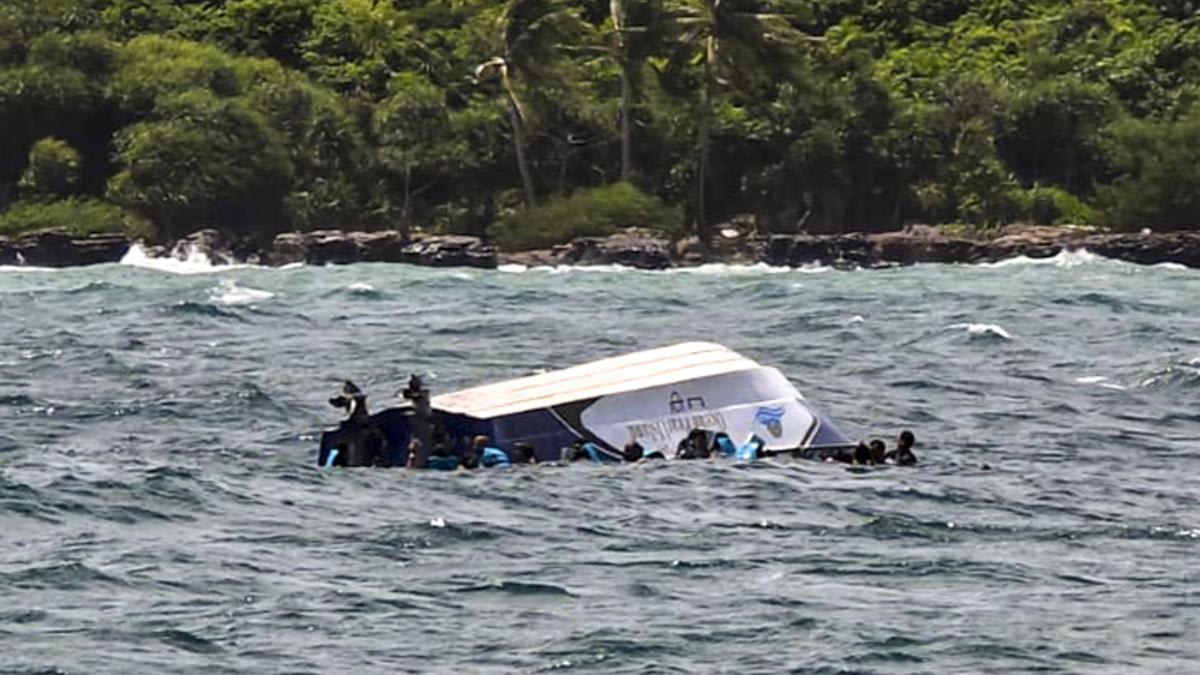
Survivors of the accident state that rough seas in the Vietnamese waters and passengers sliding to one side when the boat turned caused the disaster. The boat, which departed from Vietnam’s Hòn Mây R...
Tragedy at Sea: Analyzing the Vietnam Boat Capsize
Introduction A devastating maritime accident in Vietnamese waters has left a community in mourning and survivors traumatized. The incident, which occurred as a boat departed from the Hòn Mây area, serves as a stark reminder of the inherent dangers associated with coastal travel and the volatility of the ocean. Survivor testimonies provide a chilling glimpse into the moments leading up to the disaster, highlighting a catastrophic confluence of environmental factors and human movement that led to the vessel's sudden capsize.
The Mechanics of the Disaster: Stability and Sea State
According to the harrowing accounts of the survivors, the disaster was not the result of a single failure but a combination of external and internal pressures. The reports emphasize that "rough seas" provided the initial instability. In maritime physics, rough waters create unpredictable rolling and pitching motions. When the boat attempted a turn, the centripetal force, combined with the existing agitation of the waves, likely pushed the vessel toward its tipping point.
Crucially, survivors noted that passengers "slid to one side" during this turn. This shift in the center of gravity is a critical failure in vessel stability. When a significant portion of the passenger load moves in unison toward one rail, it creates a severe list that can easily overcome the boat's righting lever, leading to an immediate and irreversible capsize. This phenomenon underscores the danger of overcrowding or lack of passenger discipline during maneuvers in turbulent waters.
The Broader Context of Maritime Safety in Vietnam
This tragedy occurs within the broader context of Vietnam's rapidly growing coastal tourism industry. Regions like Hòn Mây attract numerous visitors, increasing the demand for short-range boat transfers. However, the surge in tourism often outpaces the implementation of rigorous safety oversight. This incident raises urgent questions regarding the enforcement of passenger capacity limits and the training of crew members in crowd management. The fact that passengers were able to slide collectively to one side suggests a lack of secure seating or inadequate instruction from the crew on how to maintain balance during rough transit.
Psychological Impact and Survivor Trauma
The "harrowing moments" recounted by survivors point to a period of intense chaos and panic. Being thrown into open, rough waters creates a state of extreme vulnerability, where the fight for survival is compounded by the sight of others struggling. The trauma of such events often lingers, manifesting as post-traumatic stress disorder (PTSD), especially for those who witnessed the suddenness of the capsize. These testimonies are vital not only for the emotional processing of the victims but also for investigators seeking to reconstruct the exact timeline of the failure.
Future Trends and Preventative Measures
Looking forward, this event is likely to trigger a call for stricter maritime regulations in Vietnamese tourist hubs. We can predict a shift toward mandatory safety briefings for all passengers before departure, emphasizing the importance of remaining seated during turns. Furthermore, there will likely be a push for the integration of better real-time weather monitoring systems to prevent boats from departing during "rough seas" that exceed the safety threshold of smaller vessels.
Technologically, the industry may move toward vessels with higher stability ratings and the mandatory use of high-visibility, high-buoyancy life jackets that are securely fastened before the boat leaves the dock. The implementation of stricter load-line inspections and passenger manifests will be essential to ensure that vessels are not operating beyond their safe weight capacity, which would have mitigated the impact of the passenger shift described by the survivors.
Conclusion The boat capsize near Hòn Mây is a tragic intersection of natural volatility and operational vulnerability. While the rough seas provided the catalyst, the shift in passenger weight was the tipping point. This disaster serves as a critical wake-up call for maritime authorities to prioritize safety over tourism volume, ensuring that every journey at sea is governed by strict stability protocols and comprehensive emergency preparedness to prevent such harrowing tragedies from recurring.
Verification Required?